Related Insights

Japan's China Fatigue: Why Chemical Makers Are Redirecting Investment to India
Japanese chemical manufacturers are shifting investment away from China toward India after years of deepening engagement in Chinese markets. The pivot centers particularly on solar materials and reflects broader frustrations with operating conditions in China that procurement teams managing Asian supply chains must understand as sourcing patterns reshape across the region.

Responsible Care and Supply Chain Ethics: What the 2026 Crisis Reveals About Supplier Responsibility
The 2026 Hormuz crisis became an unexpected test of Responsible Care principles across the chemical industry. This article explains why supplier behaviour during disruptions can provide procurement teams with valuable insight beyond traditional sustainability audits.

Petrochemical Trade Route Reshaping: How New Polymer Supply Chains Are Changing Global Procurement
Trade disruptions across the Middle East have accelerated a major shift in global polymer sourcing. This analysis explains how new trade routes are influencing procurement strategies, regional suppliers and long-term purchasing decisions for chemical buyers.
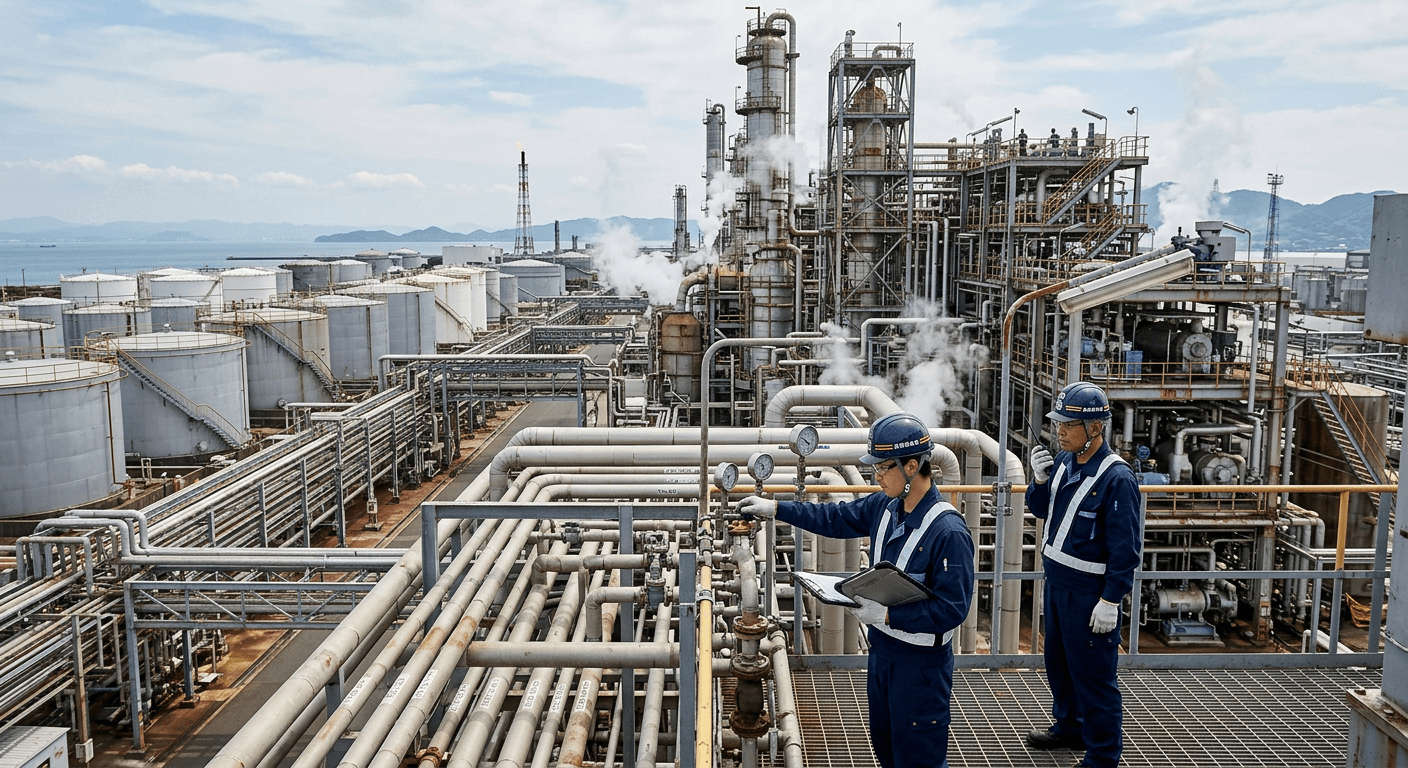
Methanol Supply Risk in Q3 2026: What Hormuz Shipping Data Means for Buyers
Methanol buyers are facing a critical Q3 planning challenge as Strait of Hormuz transit remains far below normal levels. Physical shipping data now matters more than diplomatic signals when assessing supply availability and pricing risk.

Port Infrastructure Shift in H1 2026: Sohar and Khor Fakkan Become Permanent Gulf Chemical Hubs
Sohar and Khor Fakkan close H1 2026 as expanded chemical logistics hubs, reshaping Gulf trade flows beyond Hormuz disruption. This shift signals a permanent change in regional distribution architecture for chemical supply chains
Doha Talks Today: What US-Iran Negotiations Mean for Chemical Shipping Logistics and Global Procurement
Today's Doha talks could reshape chemical shipping logistics across the Gulf. With elevated maritime risk, delayed vessel movements and cautious carrier policies, procurement teams need to understand how today's diplomatic outcome could affect Q3 sourcing, freight costs and supply chain planning.
Don't miss out on our updates! Subscribe to our newsletter now
We're committed to your privacy. Tradeasia uses the information you provide to us to contact you about our relevant content, products, and services. For more information, check out our privacy policy.