
Urea (Granular) - Egypt CAS: 57-13-6


The first half of 2026 reshaped pharmaceutical chemical procurement through supply chain disruptions, rising logistics costs, GLP-1 manufacturing expansion, and evolving regulatory requirements. Here are the key intelligence insights and procurement priorities for H2 2026.

The USDA's $500 million FIELDS program continues to support domestic fertilizer production through project funding and accelerated development. Procurement professionals should understand how the initiative could influence fertilizer availability, pricing and long-term supply security.

Recent comments from Energy Secretary Wright indicating that Hormuz tolls are no longer under consideration have introduced a new policy signal for global energy and chemical markets. Procurement and compliance teams should understand how changing policy direction can influence logistics planning, freight costs and sourcing strategies.

Canadian potash tariff uncertainty continues to shape U.S. buyers’ procurement decisions and pricing expectations, even though no formal trade barriers have been imposed. This article explores the lingering risk, its impact on supply chains, and strategic responses adopted by the industry.
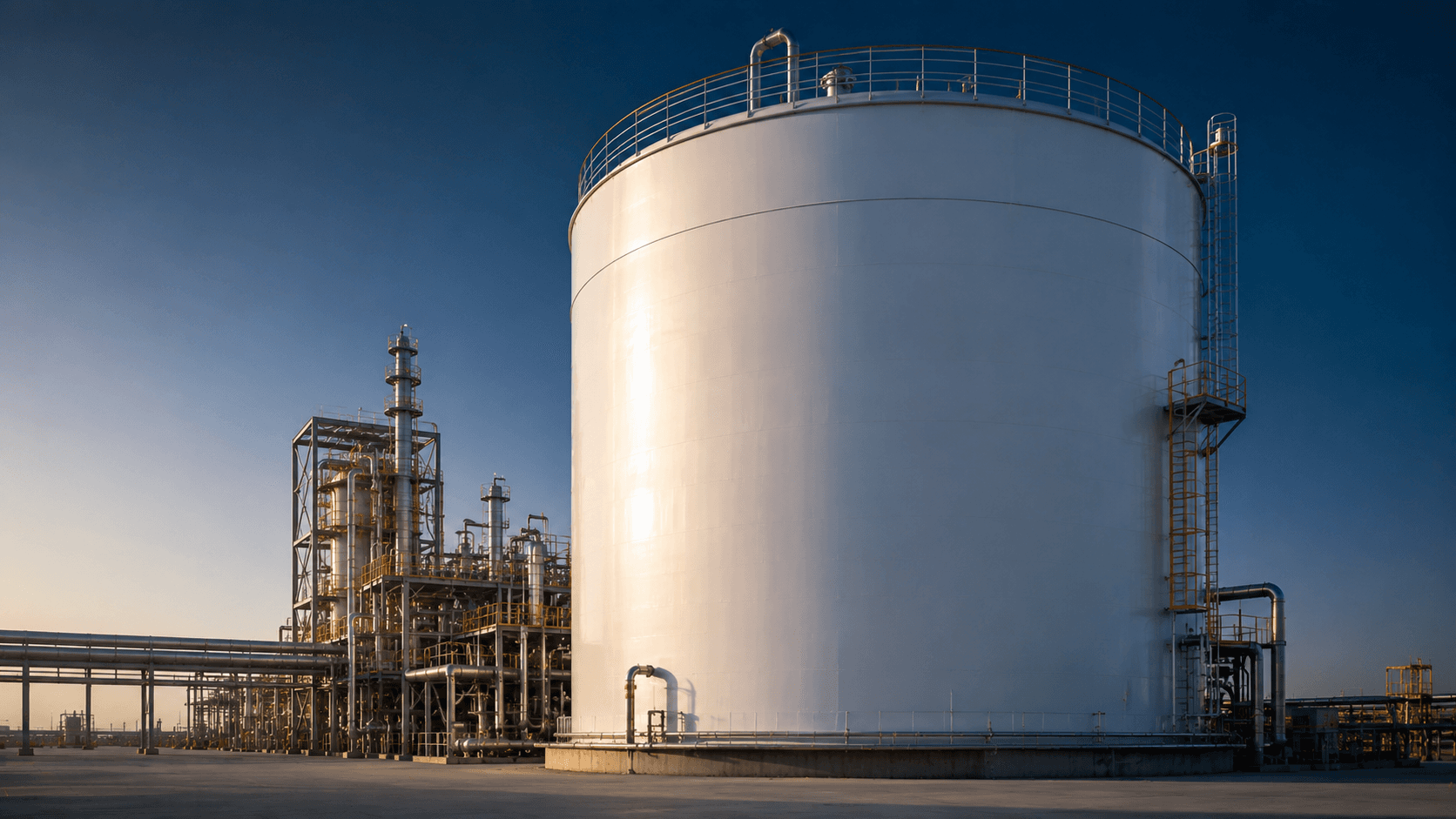
China's rapid expansion of PTA and PX capacity has reshaped the global polyester supply chain entering Q3 2026. While Gulf PX supply gradually returns, Chinese overcapacity continues to pressure export prices, creating new opportunities and challenges for buyers across Asia.
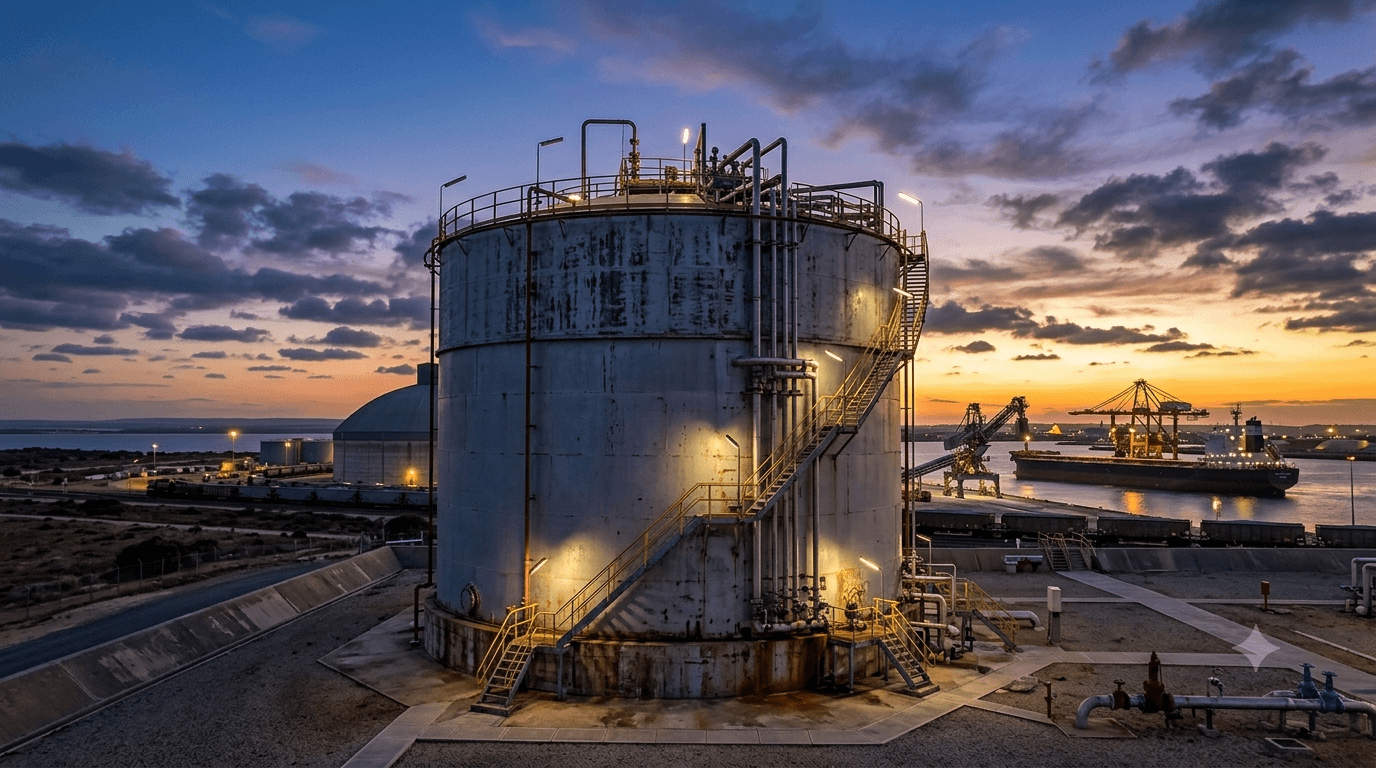
The 2026 Hormuz shock exposed critical procurement risks, reshaping sourcing, inventory, and supplier diversification practices for chemical buyers. Learn how the crisis forced a strategic pivot and what lasting changes are required to safeguard supply chains.
We're committed to your privacy. Tradeasia uses the information you provide to us to contact you about our relevant content, products, and services. For more information, check out our privacy policy.