
Related Insights

EIA's Outdated July Forecast: Why Chemical Companies Should Avoid Single-Scenario Planning
The EIA's July outlook was built around assumptions that changed within weeks after the ceasefire collapsed. Chemical procurement and compliance teams should adopt scenario-based planning to strengthen supply chain resilience in an increasingly unpredictable market.
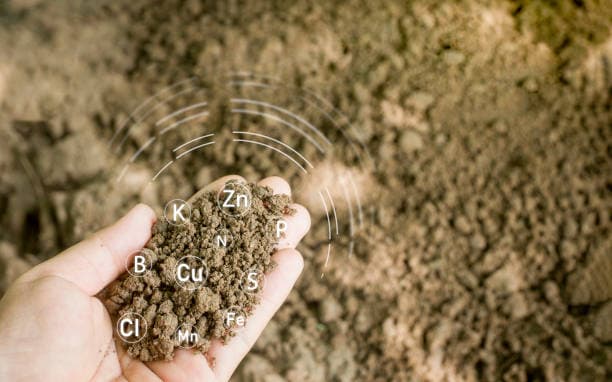
EPA's New PFAS Guidance: Impact on Biosolids, Fertilizer, and the Food Chain
The EPA’s updated PFAS guidance reshapes how farmers use biosolids and fertilizers, influencing crop inputs and the broader food ingredient supply chain. Learn what it means for compliance, sourcing, and consumer safety.
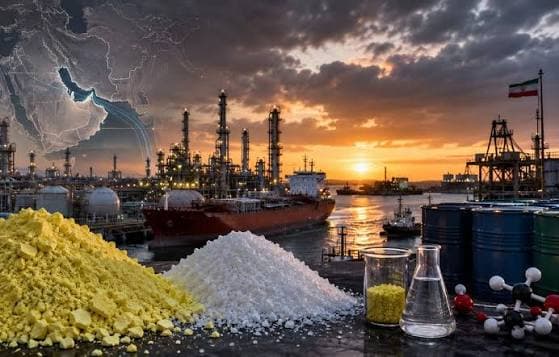
Methanol: Ar-Razi's Suspended Exports and the Japanese JV's Q3 Supply Gap
The suspension of methanol exports from Ar-Razi Saudi Methanol, one of the world’s largest methanol producers and a critical Mitsubishi Gas Chemical joint venture, became one of the most important supply disruptions of the 2026 Hormuz crisis. This week may determine whether improving shipping conditions finally allow commercial supply recovery to begin.

Ammonia Export Restart: Bürgenstock Roadmap Positions QAFCO and SABIC for Q3
The Bürgenstock roadmap and recent Hormuz transit data signal a clear path for QAFCO and SABIC to resume ammonia exports in Q3 2026. While force majeure conditions may lift in July, mine clearance delays could postpone full tanker capacity until August. Agricultural and industrial buyers should prepare for an improved but staggered supply outlook.

Australia Chemical Watch: Ichthys LNG Disruption Raises Asian Gas Market Concerns
Labor actions at Ichthys LNG threaten to ripple across Asian LNG supply chains, pushing gas prices higher and inflating chemical feedstock costs in 2026. TradeAsia analysts dissect the implications for the Australia chemical market and regional buyers.
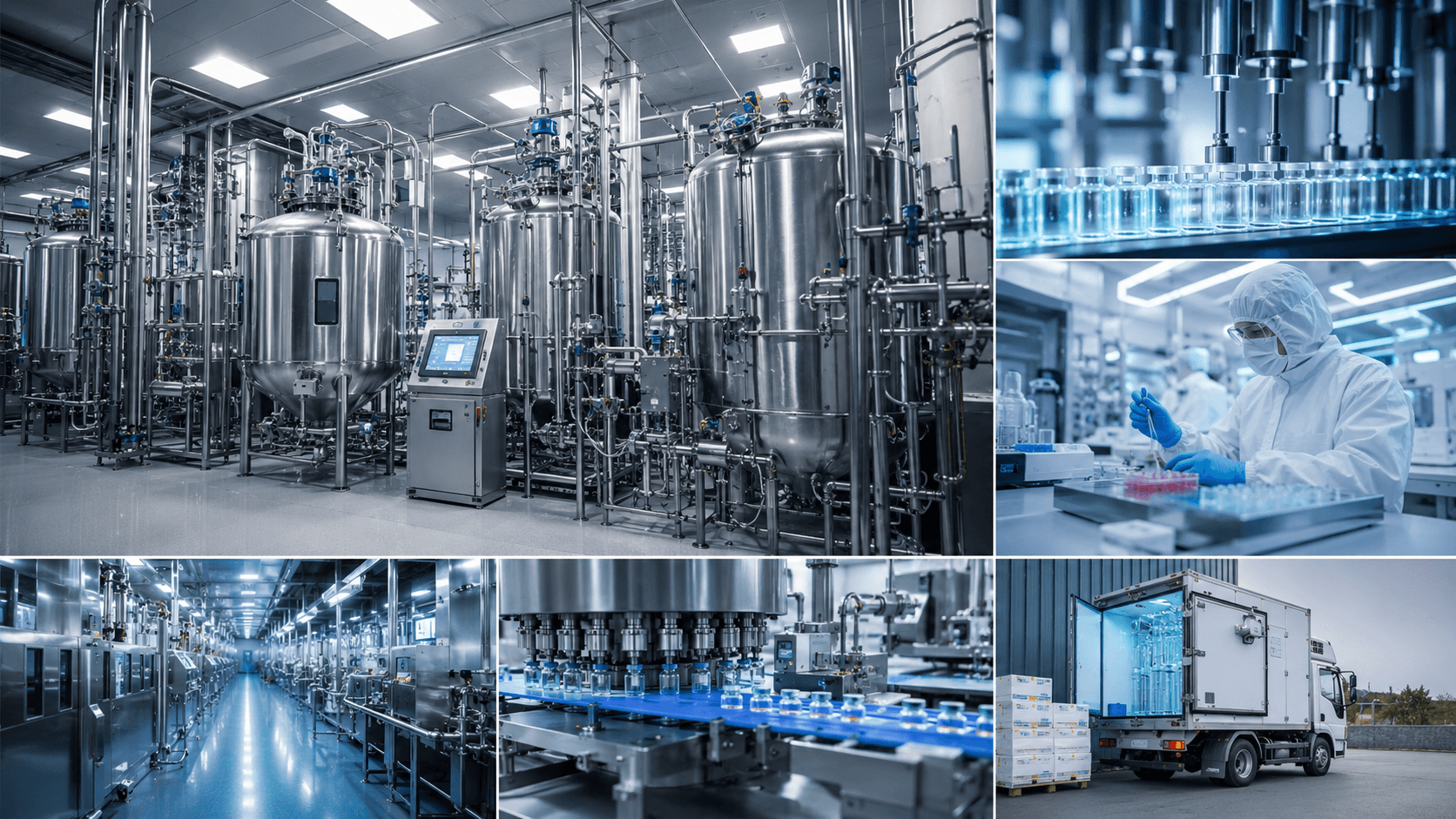
GLP-1 API Supply Chain Crisis: CDMO Capacity and Peptide Sourcing Under Unprecedented Strain
The explosive success of GLP-1 therapies has created one of the most significant pharmaceutical supply chain challenges in modern history. API manufacturers, peptide synthesis facilities and CDMOs are struggling to keep pace as demand for semaglutide and tirzepatide continues to surge globally.
Don't miss out on our updates! Subscribe to our newsletter now
We're committed to your privacy. Tradeasia uses the information you provide to us to contact you about our relevant content, products, and services. For more information, check out our privacy policy.