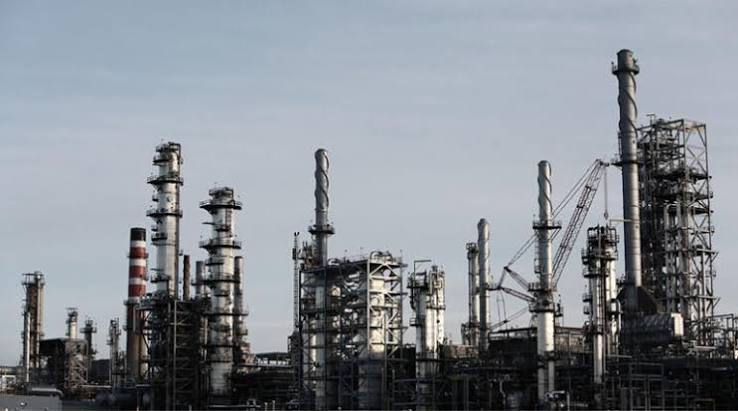
Glacial Acetic Acid (99,8%) - China CAS: 64-19-7
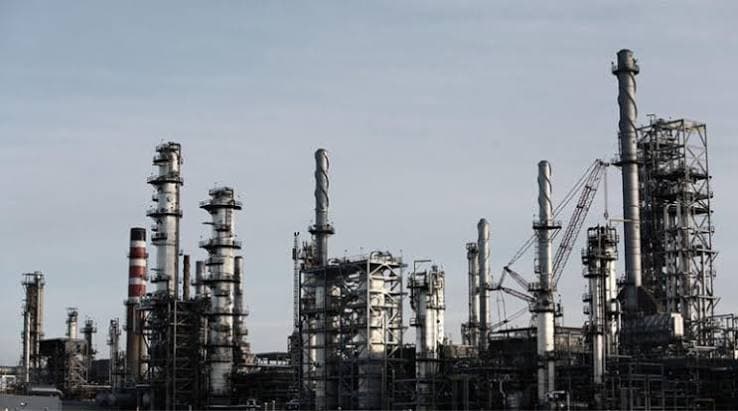
Glacial Acetic Acid (99,8%) - China CAS: 64-19-7
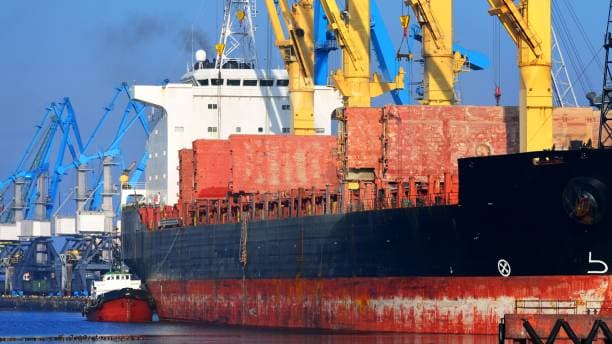
In a surprising shift, President Trump has announced the removal of a proposed 20% toll on ships transiting the Strait of Hormuz. The decision offers temporary relief to shipping companies but is set against a backdrop of heightened geopolitical tensions. Maritime analysts examine how this change could reshape freight costs and chemical logistics for the next quarter.
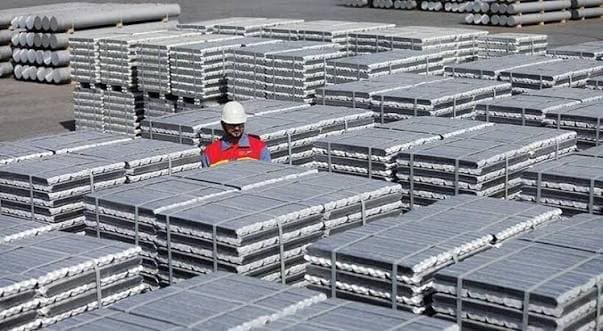
The 2026 Hormuz crisis stranded two of the world’s largest aluminium smelters — Emirates Global Aluminium and Alba Bahrain — quietly disrupting global supply for automotive, aerospace, and packaging manufacturers. With Gulf shipping conditions improving, aluminium logistics may recover faster than petrochemical markets in early H2 2026.
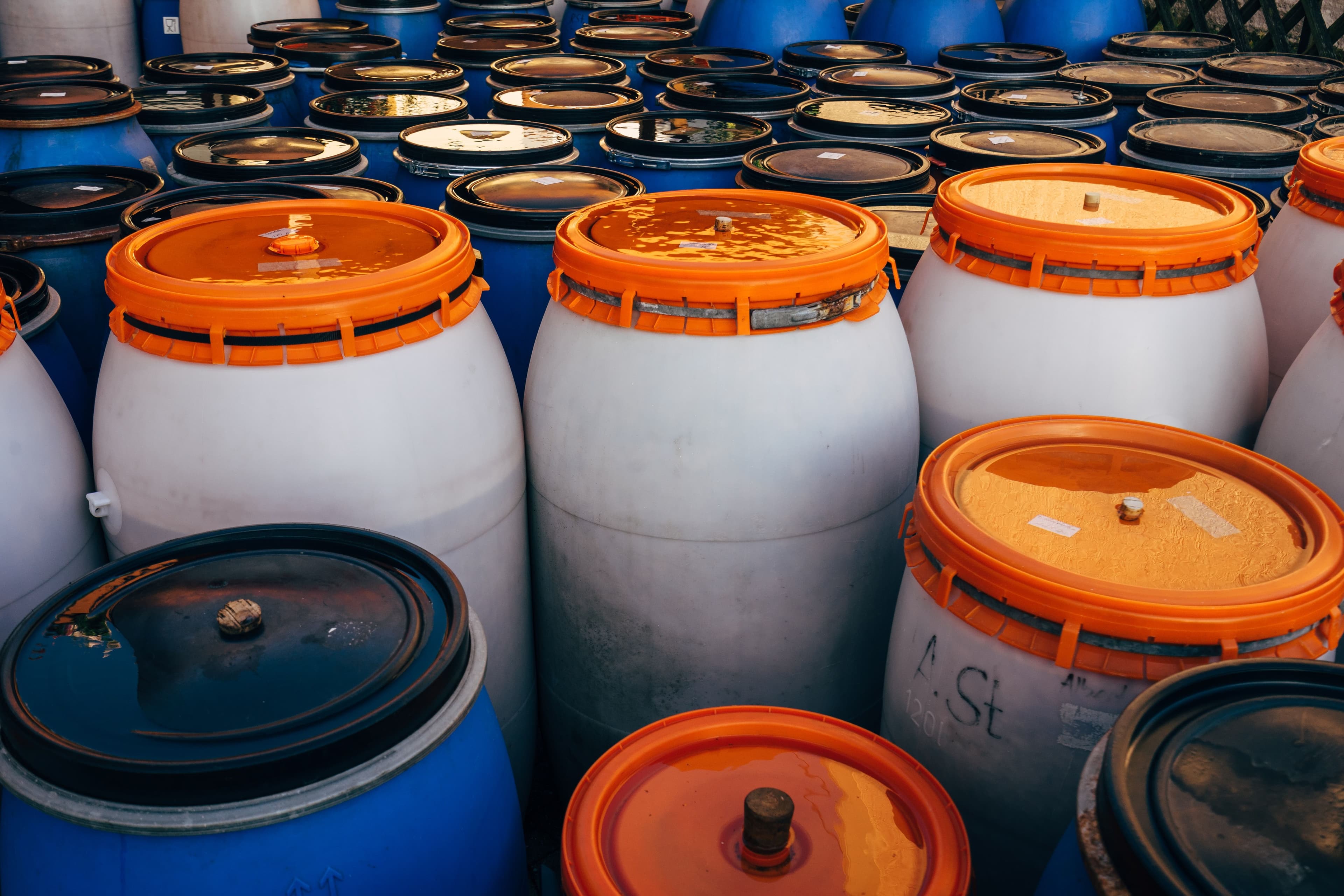
Ethanol and industrial solvent markets enter H2 2026 with changing supply dynamics across Brazil, India and China. Buyers should focus on contract timing, origin selection and duty-related cost changes.
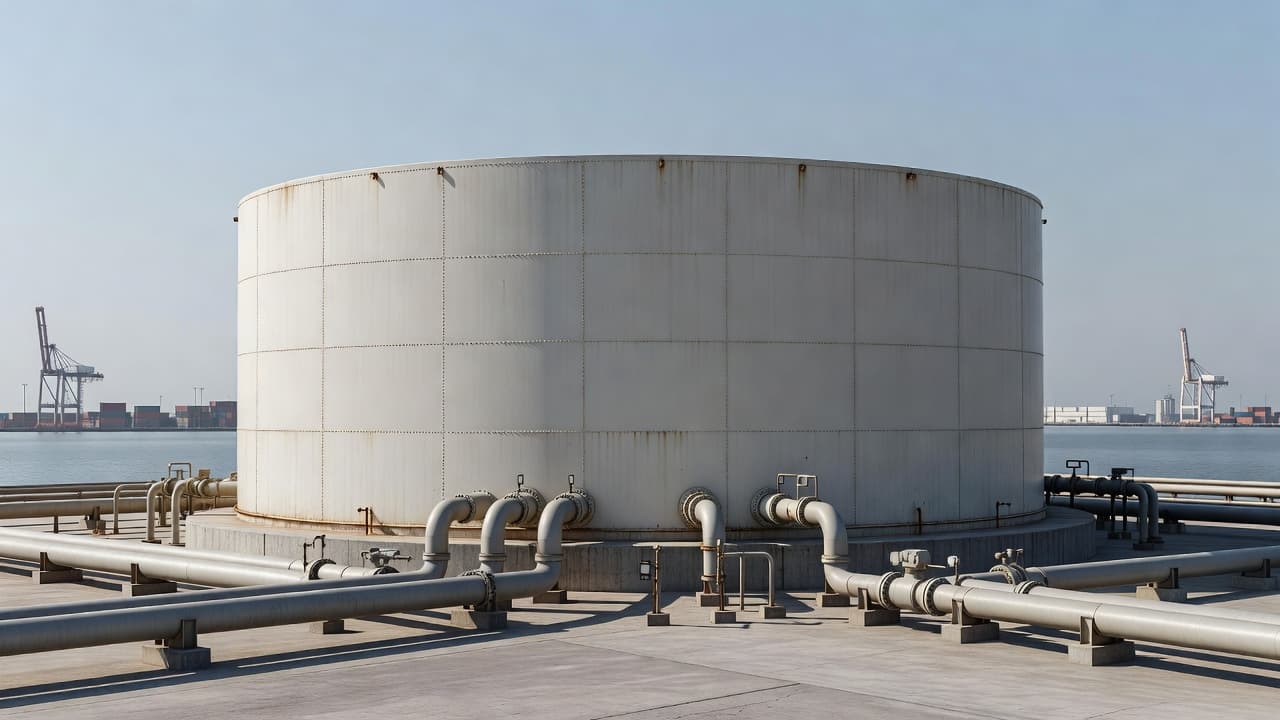
Chemical supply chains depend on stable trade routes, diplomatic channels and predictable negotiations. The Oman crisis shows how quickly geopolitical decisions can affect sourcing strategies, supplier confidence and procurement planning.
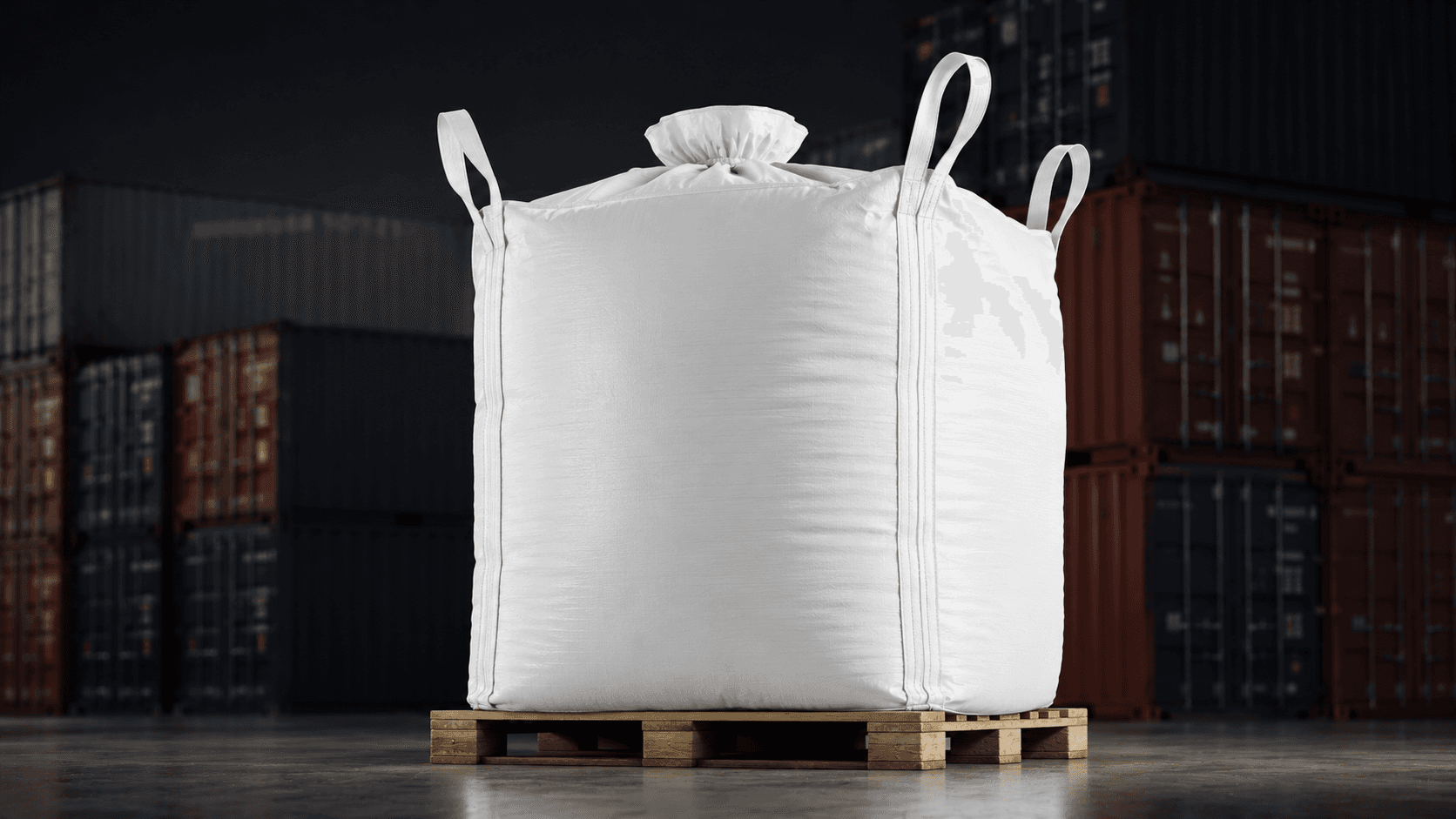
Brent crude has returned to pre-war levels, creating a new opportunity for food ingredient buyers to reduce landed costs. July freight adjustments give procurement teams a timely chance to renegotiate contracts across major sourcing regions including China, Southeast Asia and India.
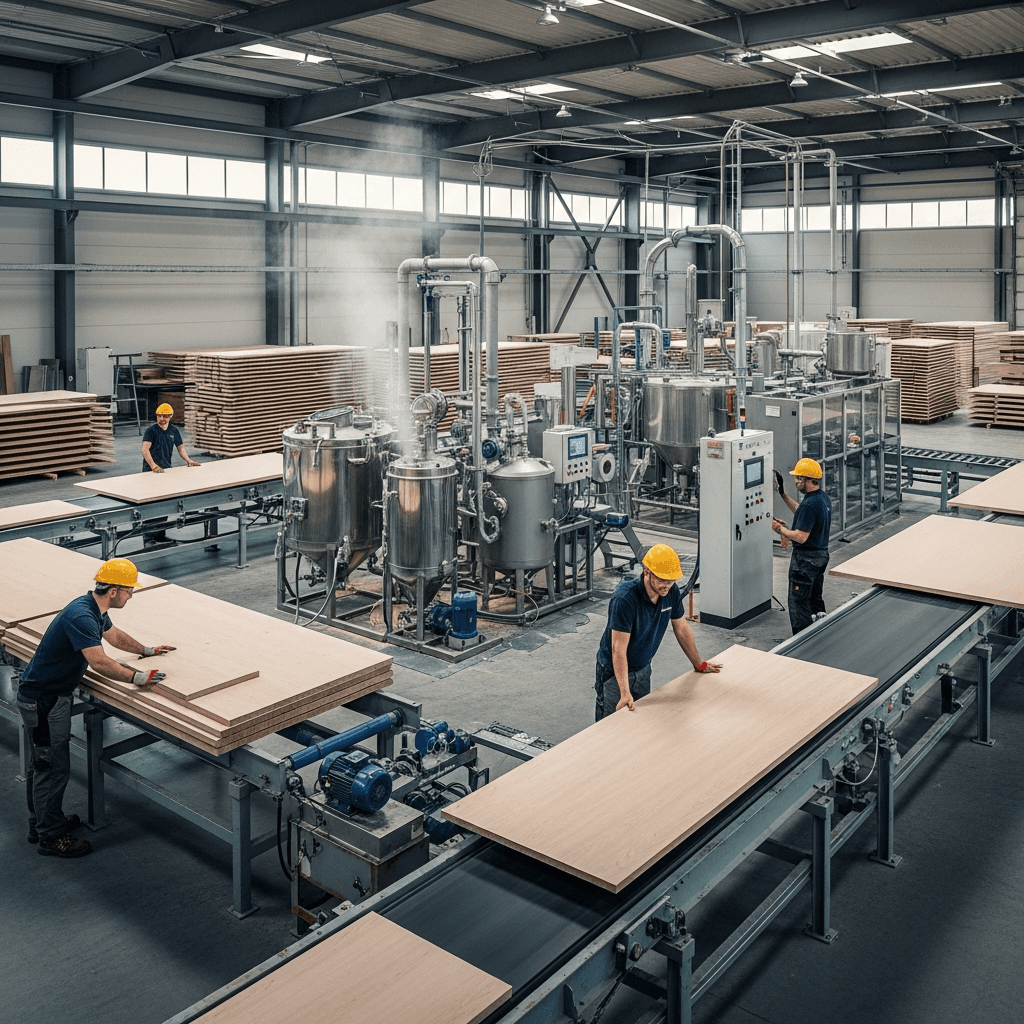
The acetic acid market is facing renewed pricing pressure as Chinese export volumes increase while Middle East supply gradually returns after Hormuz-related disruptions. Buyers need to assess supply trends, regional competition and procurement strategies for H2 2026.
We're committed to your privacy. Tradeasia uses the information you provide to us to contact you about our relevant content, products, and services. For more information, check out our privacy policy.