The global agrochemical market is poised for a pivotal shift in 2026, as shippers weigh the merits of two dominant maritime corridors: the Cape Route and the Hormuz Corridor. These routes differ markedly in freight cost, insurance exposure, and transit time—factors that can make or break profitability for fertilizer shipping and other chemical logistics.
Comparing the Two Corridors
Transit Time
The Cape Route, which skirts the southern tip of Africa, offers a more direct path between East Asia and the Americas. In Q3 2026, average transit times for fertilizer containers are expected to drop by 12% relative to the Hormuz corridor, translating into faster market delivery and reduced inventory holding costs.
Freight Cost
Freight rates are influenced by tanker capacity, fuel prices, and port congestion. The Cape Route typically commands lower freight charges—often 8% to 10% cheaper—because of larger vessel throughput and fewer port calls. However, seasonal weather disruptions can temporarily spike costs.
Insurance Risk

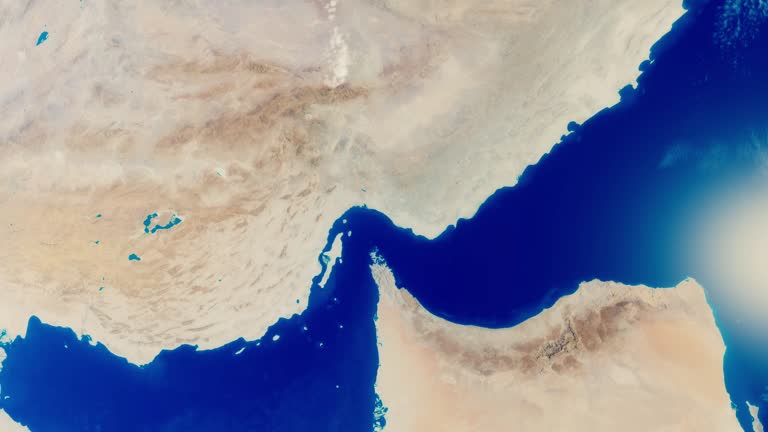
Insurance premiums reflect geopolitical stability and piracy risk. The Hormuz corridor passes near the Strait of Hormuz, a chokepoint currently experiencing heightened tensions. Premiums here can increase by 15% to 20% over the Cape Route, adding a layer of financial exposure for agrochemical freight operators.
Operational Implications
Port Infrastructure: Cape ports such as Cape Town and Durban have invested heavily in bulk handling facilities, reducing turnaround times.
Regulatory Environment: The Hormuz corridor faces stricter customs inspections, which can delay clearance by up to 48 hours.
Environmental Compliance: Emission control technologies are more widely adopted on vessels using the Cape Route, aligning with ESG goals.
Case Study: Fertilizer Shipping for Mid‑Sized Agribusinesses
Scenario A – Cape Route: A 40‑TEU container shipped from Shanghai arrives in Texas in 19 days, with a freight cost of $3,500 and insurance of $250.
Scenario B – Hormuz Corridor: The same shipment takes 23 days, costs $4,200 in freight, and $350 in insurance.
Result: The Cape Route saves $700 in freight plus $100 in insurance, while cutting the delivery window by 4 days.
Strategic Recommendations
Agrochemical shippers should adopt a hybrid strategy that balances risk and cost. For high‑value, time‑critical fertilizers, the Cape Route offers a clear advantage. When market conditions allow for longer lead times, or when vessels are available only for the Hormuz corridor, shippers can mitigate insurance costs by bundling cargo with complementary goods to spread risk.
Implementing advanced route‑planning software that integrates real‑time weather, traffic, and geopolitical alerts can further refine decision‑making. Additionally, negotiating flexible freight contracts with carriers that include penalties for delays can lock in cost certainty.