Asia–Europe Chemical Freight Rates Surpass Last Year’s Peak Season Highs in June 2026
Introduction
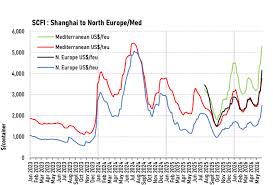
Global chemical supply chains entered another period of pressure in June 2026 as freight rates between Asia and Europe climbed above the peak season highs recorded last year.
According to freight market reporting, shipping prices increased sharply during the first week of June, with routes from Shanghai to major European destinations experiencing strong upward movement. For chemical importers and exporters, the increase created immediate concern because chemical cargo already carries additional transportation complexity and cost.
Unlike standard container goods, chemical shipments often include dangerous goods requirements, specialized handling, documentation obligations, and surcharge layers that multiply total logistics spending.
As freight markets tighten, procurement and supply chain teams are facing difficult decisions about purchasing timing, inventory planning, and cost management.
Understanding the June 2026 Freight Spike
The freight market did not rise randomly.
Several factors combined to create the increase:
Recovery in booking demand
Capacity restrictions
Trade policy changes
Carrier scheduling strategies
Seasonal inventory planning
These conditions pushed Asia–Europe shipping prices above levels many companies expected only during traditional peak periods.
Routes connecting China with European destinations experienced especially strong pressure.
The Role of the US–China Tariff Truce
One of the strongest drivers behind the freight increase was the temporary easing of trade pressure between the United States and China.
When the tariff truce created a limited opportunity window, importers accelerated orders.
Instead of spreading purchases across several months, many companies rushed to move cargo immediately.
This behavior is called pull-forward demand.
Businesses attempted to import goods before future tariff uncertainty returned.
As booking volumes increased rapidly, vessel space became more limited.
Blank Sailings Reduced Available Capacity
Shipping carriers also influenced market conditions.
During late April and May, shipping companies reduced available capacity through blank sailings.
Blank sailing means:
A planned vessel voyage is cancelled.
This reduces available container space.
When demand later increases suddenly, fewer available ships create upward pressure on freight prices.
The result is simple economics:
Higher demand
Lower available capacity
Higher freight prices
For chemical cargo, the impact becomes even stronger.
Why Chemical Importers Feel More Pressure Than Other Industries
Chemical freight rarely moves under standard shipping conditions.
Chemical shipments often involve:
Dangerous goods declarations
Special container requirements
Temperature control
Safety inspections
Additional insurance
Restricted routing
Because of these requirements, chemical cargo frequently pays extra charges even before freight increases occur.
When market prices rise, chemical shipments absorb multiple cost layers simultaneously.
The Hidden Cost: DG Surcharges
Dangerous Goods (DG) surcharges create an important challenge.
Chemical importers may face additional charges for:
Dangerous Goods Handling
Extra operational procedures.
Documentation Processing
Special compliance checks.
Segregation Requirements
Hazard classes cannot always travel together.
Terminal Handling Costs
Ports apply specialized management procedures.
Container Management
Additional inspection requirements.
These costs stack on top of normal freight pricing.
Impact on Procurement Teams
Procurement managers must now make difficult purchasing decisions.
Questions include:
Should orders be placed immediately?
Should inventory be increased?
Should sourcing shift geographically?
Should smaller orders be consolidated?
The answer depends on total landed cost rather than freight price alone.
Total Landed Cost Is Becoming More Important
Companies often focus only on shipping price.
However, actual landed cost includes:
Product cost
Ocean freight
DG surcharge
Insurance
Customs cost
Port handling
Storage
Inland delivery
A shipment with lower product cost but expensive freight may become less competitive overall.
Organizations are increasingly using scenario planning to compare alternatives.
How Chemical Companies Are Responding
Many chemical businesses are adopting defensive logistics strategies.
Longer Forecast Cycles
Ordering earlier to secure transport.
Multi-Origin Sourcing
Reducing dependence on one region.
Inventory Buffers
Holding additional stock.
Contract Negotiation
Locking freight agreements earlier.
Shipment Consolidation
Combining orders where possible.
These actions help reduce exposure to sudden market movement.
The Risk of Further Rate Increases
Freight markets remain sensitive.
Additional factors may create further volatility:
New carrier surcharge announcements
Fuel cost adjustments
Geopolitical events
Trade policy changes
Continued capacity control
Even small disruptions can create noticeable cost increases.
Chemical companies must remain flexible.
Long-Term Lessons for Supply Chains
The June 2026 rate surge highlights a broader lesson.
Supply chains are no longer optimized only for low cost.
They must also be designed for:
Flexibility
Visibility
Risk management
Supplier diversification
Faster decision making
Organizations that continue using old planning models may struggle during periods of rapid change.
Conclusion
Asia–Europe freight rates exceeding last year’s peak season highs show how quickly global logistics conditions can change.
For chemical importers, the challenge extends beyond freight itself. Dangerous goods requirements, surcharge stacking, and limited vessel availability magnify cost pressure across the entire supply chain.
Success in this environment depends on proactive planning, accurate forecasting, and a stronger focus on total landed cost rather than shipping rates alone.
As global trade conditions continue evolving, chemical companies that adapt their logistics strategy early will be better positioned to manage both cost and operational risk.