Borax Decahydrate (Technical Grade) - Argentina CAS: 1303-96-4

Borax Decahydrate (Technical Grade) - Argentina CAS: 1303-96-4
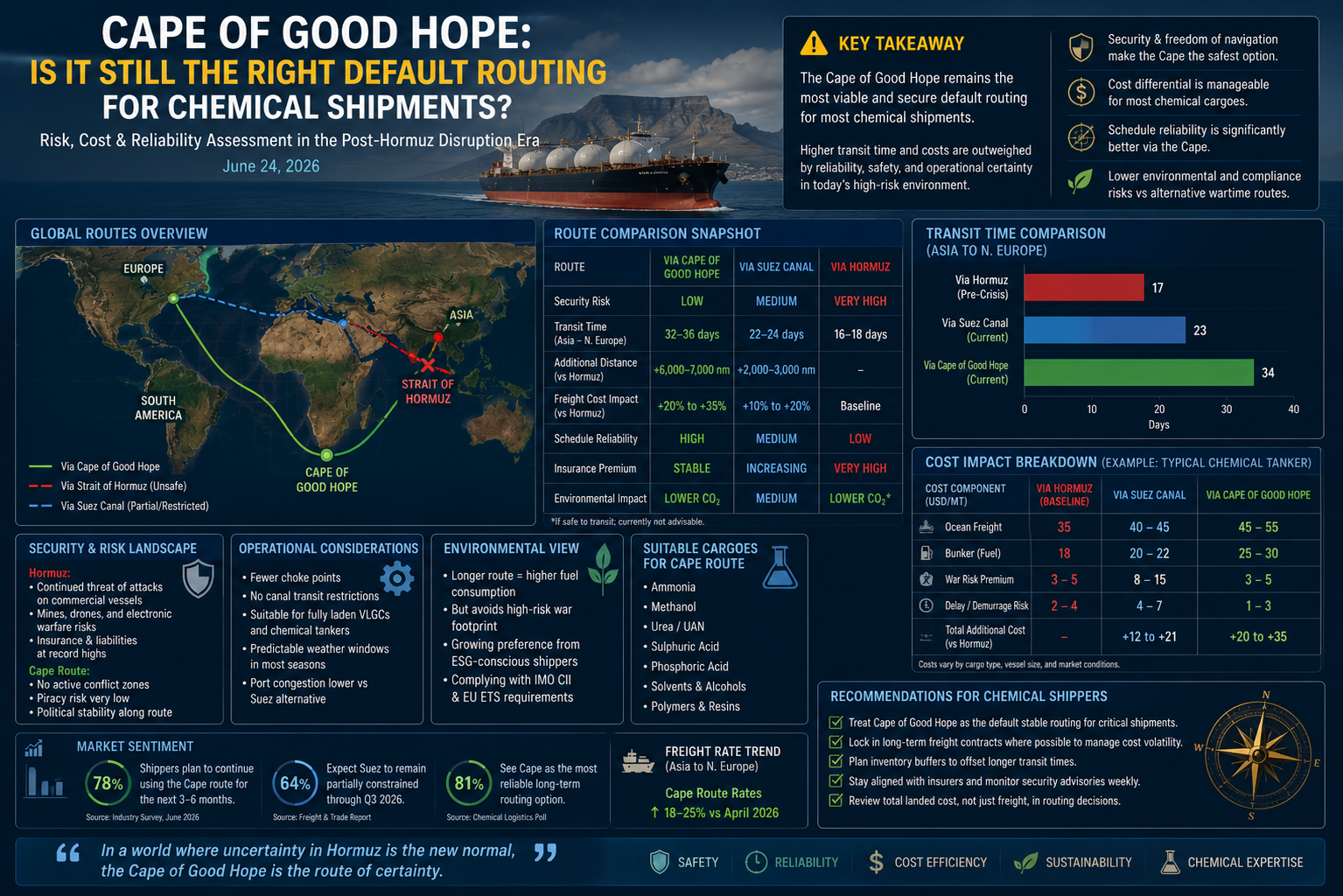
The sudden end of a regional ceasefire has formally reopened the Hormuz shipping crisis, କ re‑igniting fears of major disruptions in the Strait of Hormuz. This development threatens to ripple through chemical logistics, tanker operations, freight rates, and global supply chains, especially in the fertilizer sector.

Prolonged geopolitical disruption is increasing the likelihood of force majeure declarations across energy and chemical supply chains. Procurement and legal teams should review contracts, supplier obligations and contingency plans before disruptions escalate.

Responsible Care performance indicators remain essential for supplier evaluation, but crisis conditions can influence operational results. This article explores how procurement and ESG teams can interpret 2026 KPI data with appropriate context while maintaining rigorous supplier assessments.
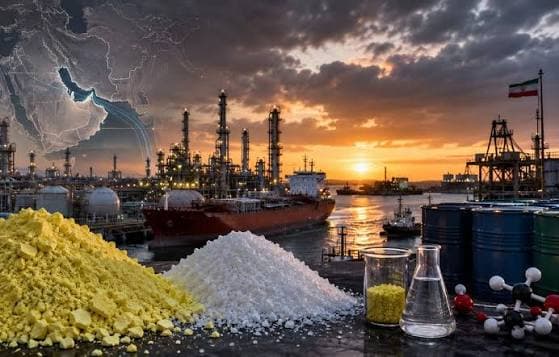
The suspension of methanol exports from Ar-Razi Saudi Methanol, one of the world’s largest methanol producers and a critical Mitsubishi Gas Chemical joint venture, became one of the most important supply disruptions of the 2026 Hormuz crisis. This week may determine whether improving shipping conditions finally allow commercial supply recovery to begin.

The disruption of Gulf MEG exports has transformed procurement strategies across Asia's polyester industry. As shipments begin moving again, buyers must understand transit timelines, supply recovery patterns and pricing risks before inventories normalize.
Sohar and Khor Fakkan close H1 2026 as expanded chemical logistics hubs, reshaping Gulf trade flows beyond Hormuz disruption. This shift signals a permanent change in regional distribution architecture for chemical supply chains
We're committed to your privacy. Tradeasia uses the information you provide to us to contact you about our relevant content, products, and services. For more information, check out our privacy policy.