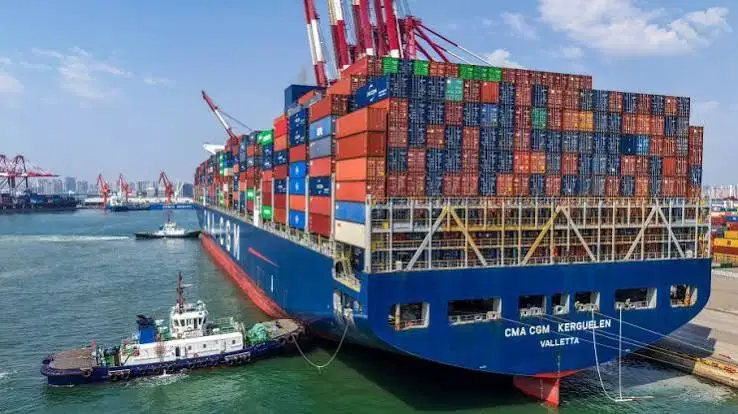
Container Availability for Chemical Cargo: DG Booking Complexity Intensifies in Peak Season
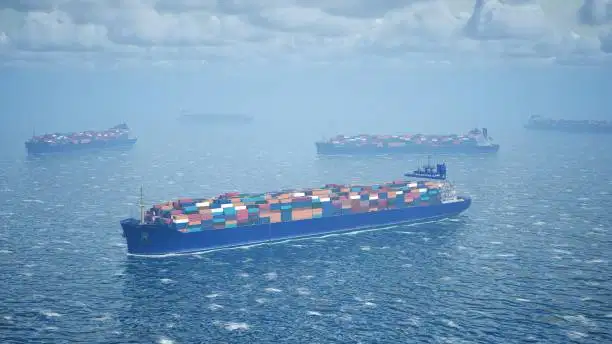
The global container shipping market is entering another peak season where capacity looks tight on paper—but for chemical cargo, the real issue is not just availability. It is complexity. Dangerous Goods (DG) booking requirements, documentation bottlenecks, and carrier risk controls are making it increasingly difficult for chemical exporters and importers to secure reliable space.
What was once a straightforward “book a box and ship” process has now become a multi-layered approval system that can delay shipments even when containers are physically available.
Container Shortage or Approval Shortage?
At first glance, container availability appears constrained during peak season due to high export volumes, especially out of Asia. But for chemical cargo, the problem is more specific:
Containers may exist
Vessel space may exist
But DG acceptance does not exist immediately
This is because chemical shipments fall under strict Dangerous Goods regulations, requiring carrier-level approval before booking confirmation.
So the real bottleneck is not equipment—it is compliance clearance.
Why Chemical Cargo Faces Higher Booking Friction
Chemical shipments are classified under IMO Dangerous Goods rules, which require detailed scrutiny before acceptance.
Carriers now enforce stricter internal controls due to:
Liability risk from hazardous cargo incidents
Insurance restrictions on certain chemical classes
Port-state safety inspections
Terminal handling limitations
As a result, even standard chemical shipments require:
DG declarations and MSDS verification
Packaging compliance checks
UN number classification validation
Route-specific approvals
This adds time and uncertainty to every booking request.
Peak Season Amplifies DG Complexity
During peak season, general container demand rises sharply due to:
Retail and manufacturing export cycles
Pre-holiday inventory build-ups
Regional demand spikes in North America and Europe
For chemical cargo, this creates a compounding effect:
1. Space Competition
General cargo consumes available vessel slots quickly, leaving fewer options for DG-approved bookings.
2. Carrier Selectivity Increases
Carriers become more selective about hazardous cargo acceptance to reduce operational risk under tight schedules.
3. Longer Approval Lead Times
DG approval processes slow down due to higher booking volumes and stricter review pipelines.
The Hidden Bottleneck: DG Cut-Off Delays
Unlike standard cargo, chemical shipments often fail not at booking stage—but at cut-off stage.
Common issues include:
Late DG approval from carrier safety teams
Incomplete or inconsistent documentation
Misclassification of chemical hazard classes
Packaging certification mismatches
These issues can push shipments to the next sailing, even when space appears confirmed.
Container Imbalance Still Matters—But Less Than Before
Container repositioning issues (empty box shortages in certain regions) still exist, but their impact on chemical cargo is now secondary.
The bigger constraint is:
Carrier willingness to accept DG cargo within tight operational windows.
In other words, even when containers are physically available, they may not be “bookable” for chemicals.
Regional Pressure Points
Certain trade lanes are experiencing sharper DG booking pressure:
Asia → Europe
High chemical export volumes combined with strict European port safety checks create approval delays.
Asia → U.S. Gulf / U.S. East Coast
Petrochemical and industrial chemical flows face congestion due to high seasonal demand and port inspections.
Intra-Asia Routes
Short-haul chemical movements are increasingly affected by limited DG-friendly vessel allocations.
Freight Impact: Premium for Certainty
As complexity rises, freight rates are no longer only about distance or capacity. They are increasingly about certainty of acceptance.
Shippers are seeing:
Higher premiums for confirmed DG space
Extra charges for last-minute approvals
Penalties for documentation errors
Increased reliance on long-term contracts with DG-preferred carriers
In many cases, companies are paying more not for transport—but for risk reduction.
How Shippers Are Adapting
Chemical exporters and importers are adjusting strategies to manage DG complexity:
1. Earlier Booking Cycles
Shipments are being planned weeks in advance to allow for DG approval delays.
2. Carrier Specialization
Firms are sticking to carriers with strong DG acceptance reputations, even at higher cost.
3. Documentation Standardization
Companies are investing in cleaner, standardized MSDS and classification workflows to avoid rejection.
4. Multi-Carrier Hedging
Instead of relying on a single carrier, shippers are spreading bookings across multiple providers.
Outlook: Complexity Is the New Capacity Constraint
The chemical container market is entering a phase where traditional metrics like “available slots” are less important than approval friction and compliance speed.
Even if container supply improves, DG cargo will continue to face structural constraints due to:
Rising safety regulations
Carrier risk management tightening
Increasing chemical trade complexity
Seasonal demand spikes
Conclusion
Container availability for chemical cargo is no longer a simple supply-and-demand issue. It is a layered system where compliance, approval speed, and operational risk controls are now the real bottlenecks.
In peak season, the industry is learning a critical lesson:
It is not the lack of containers that slows chemical trade—it is the complexity of getting permission to use them.