Rerouting and Equipment Shortages
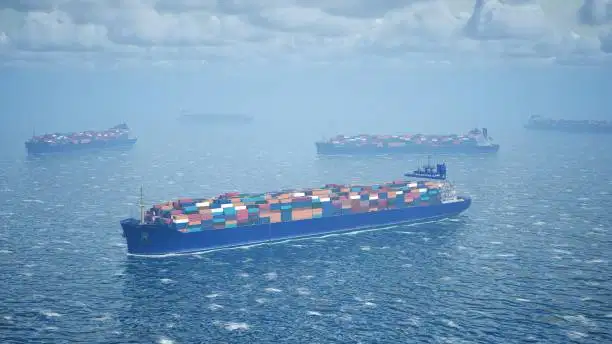
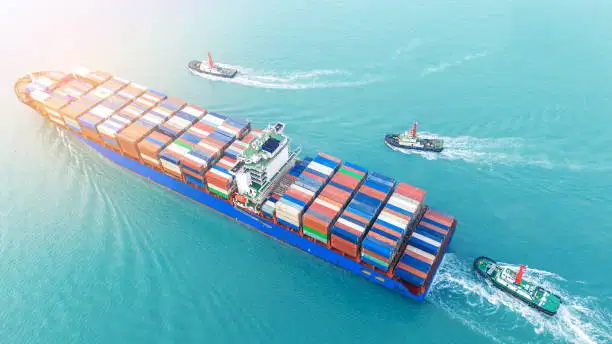
The Cape of Good Hope rerouting has shifted container positioning away from the traditional triangular trade routes. Container availability for chemical cargo—especially polymer pellets and isotank liquid chemicals—has dipped sharply in key origin markets. The shift means fewer vessels are available on the most efficient routes, driving up freight costs and creating a bottleneck in the global container shipping network.
Isotank Cleaning Constraints
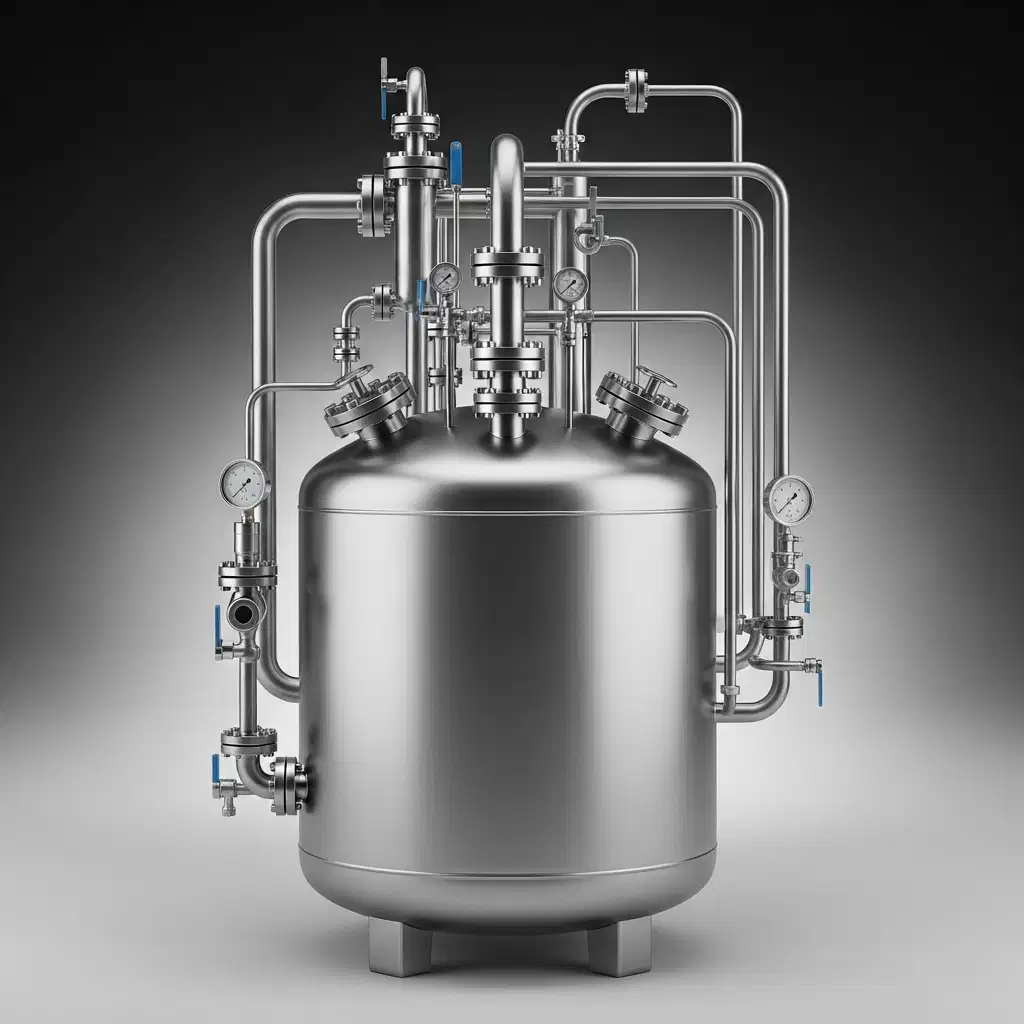
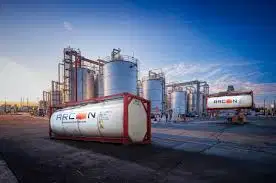
Isotank availability is underextra stress because each liquid chemical cargo requires thorough cleaning before the next shipment. This cleaning turnaround reduces the number of tanks that can be positioned for shipment, especially for high‑volume liquid chemicals such as solvents and acids. The result is a pronounced container shortage impact for liquid chemical exports.
Major Lines Slash Capacity with Surcharges
In response to the tight market, CMA CGM, Hapag‑Lloyd, Maersk and MSC have announced peak season surcharges effective June–July 2026. These surcharges reflect the current freight capacity imbalance and the need to cover the additional costs of repositioning and cleaning. The Drewry World Container Index spiked 23% in a single week to USD 3,433/FEU on June 4, 2026, signalling a significant strain on the chemical transport logistics sector.
Key Rate Highlights
- Shanghai‑Los Angeles: USD 4,565/FEU
- Shanghai‑New York: USD 5,505/FEU
Implications for the Chemical Supply Chain
The surge in rates and tightening capacity mean that chemical buyers must adapt their supply chain strategies. Booking container capacity 6–8 weeks in advance for Q3 2026 shipments is now essential to avoid last‑minute price spikes and to secure the necessary equipment for both polymer pellets and liquid cargoes.
Strategic Responses
- Lock in freight contracts early to hedge against rate volatility.
- Consider alternative transport modes or routes if container space remains unavailable.
- Collaborate closely with shippers to optimize container utilization and reduce cleaning turnaround times.
- Explore flexible cargo handling agreements that allow for shared tank cleaning responsibilities.
Future Outlook
While the current container shortage is acute, the chemical logistics market is likely to stabilize once vessels resume regular positioning and cleaning efficiencies improve. However, the industry should remain vigilant for further rerouting shifts or new regulatory constraints that could re‑ignite capacity pressures.
By proactively managing capacity and collaborating across the supply chain, chemical exporters can mitigate the impact of these trends and maintain smooth trade flows.