
Related Insights
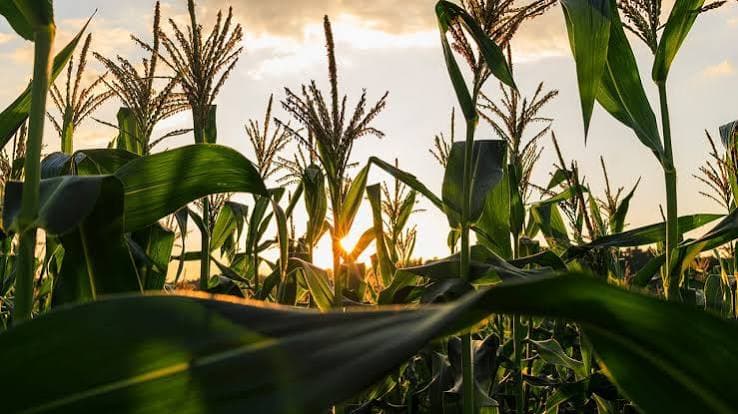
Corn Starch: US Crop Pollination Complete — USDA Week 26 Results and What They Mean
The USDA Week 26 crop report marks one of the most important commodity signals for food manufacturers entering H2 2026. Corn crop conditions during the final pollination window will determine whether starch, glucose, maltodextrin, and dextrose ingredient costs remain stable or begin rising later this year.

DMF Supply Tightness: Pharmaceutical & GLP‑1 Demand Drives Market Shift
Pharmaceutical‑grade dimethylformamide is entering a period of stronger demand as API manufacturing recovers and GLP‑1 peptide production expands. The rising demand creates supply risks that procurement teams must address before tighter market conditions emerge in 2026. This article outlines the drivers, risks, and sourcing strategies for securing DMF.
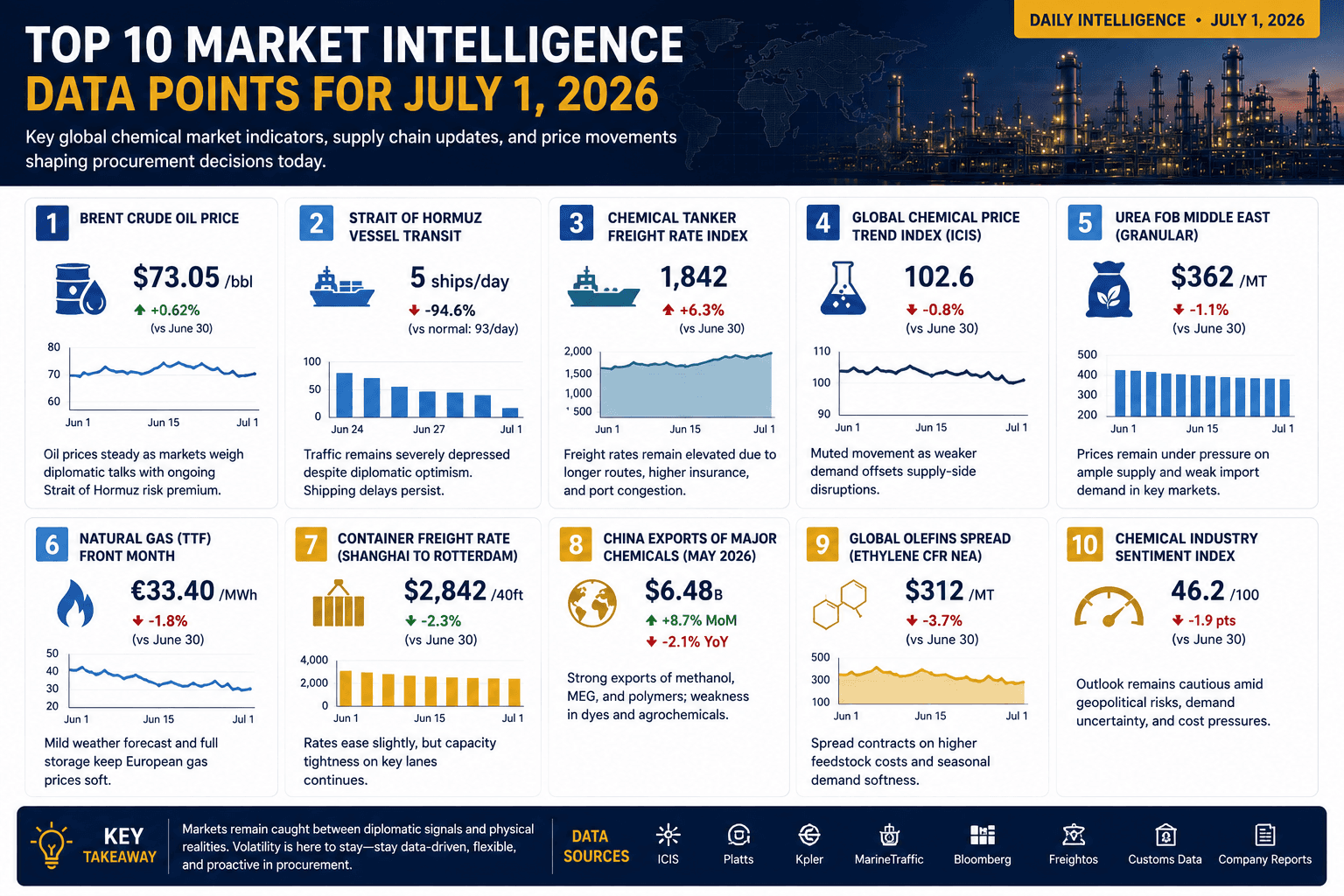
Top 10 Market Intelligence Data Points for July 1, 2026
July 1 begins H2 2026 with conflicting market signals for chemical procurement professionals. While oil prices remain stable and diplomacy improves, shipping disruption, insurance risk, new regulations, and supply chain bottlenecks continue shaping one of the most complex operating environments the chemical industry has faced all year.

Urea 2026: Gulf Supply Recovery & Buying Opportunities
Urea prices in 2026 are poised for a rebound as Gulf exports climb back to 75% of pre‑war levels. This shift reshapes demand in the Southern Hemisphere, offering new buying windows for fertilizer importers. TradeAsia tracks the latest market dynamics for SABIC and QAFCO urea.

Potash 2026: Nutrien Earnings May Signal Q3 Price Direction
Nutrien’s upcoming Q2 2026 earnings are poised to be a pivotal indicator for potash prices in the latter half of the year. Analysts are watching how the data will influence MOP fertilizer demand and the broader potassium chloride market. The market awaits a clear directional signal that could shape pricing strategies worldwide.

Corn Starch and Glucose: USDA Crop Condition Data and H2 2026 Food Ingredient Cost Trajectory
USDA crop condition reports are providing the first meaningful indicators for second-half food ingredient pricing. With US corn conditions tracking near historical trend levels and freight costs beginning to ease, the outlook for starch, glucose and derivative ingredients appears more stable than many buyers expected earlier this year.
Don't miss out on our updates! Subscribe to our newsletter now
We're committed to your privacy. Tradeasia uses the information you provide to us to contact you about our relevant content, products, and services. For more information, check out our privacy policy.