Calcium Chloride (E509) CAS: 10043-52-4
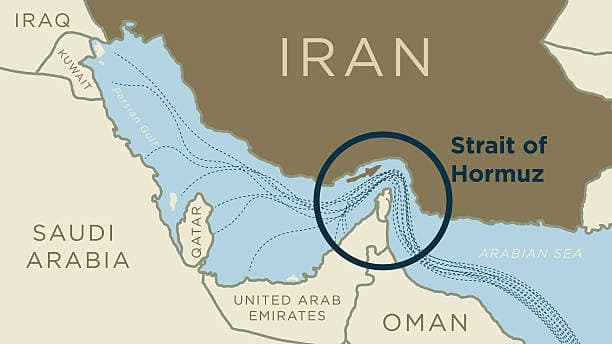
The Strait of Hormuz has seen fresh clashes that are once again cutting vessel transits, disrupting the flow of chemicals and fertilizers. These tensions elevate freight risk and threaten the stability of the global supply chain.
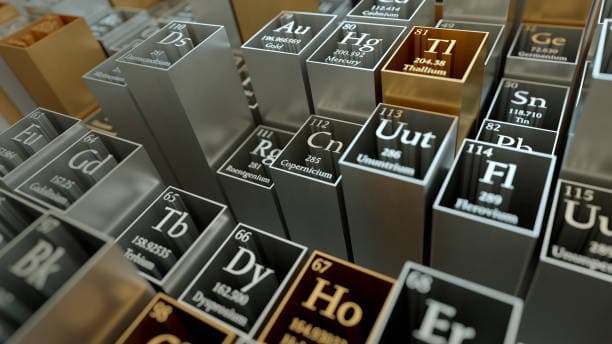
Tungsten, a critical trace metal used in tungsten carbide tools, is central to the durability of food processing and packaging equipment. Recent export restrictions threaten to elevate maintenance costs, disrupt production schedules, and compromise long‑term ingredient supply chains. Understanding this hidden risk is essential for manufacturers and policymakers alike.
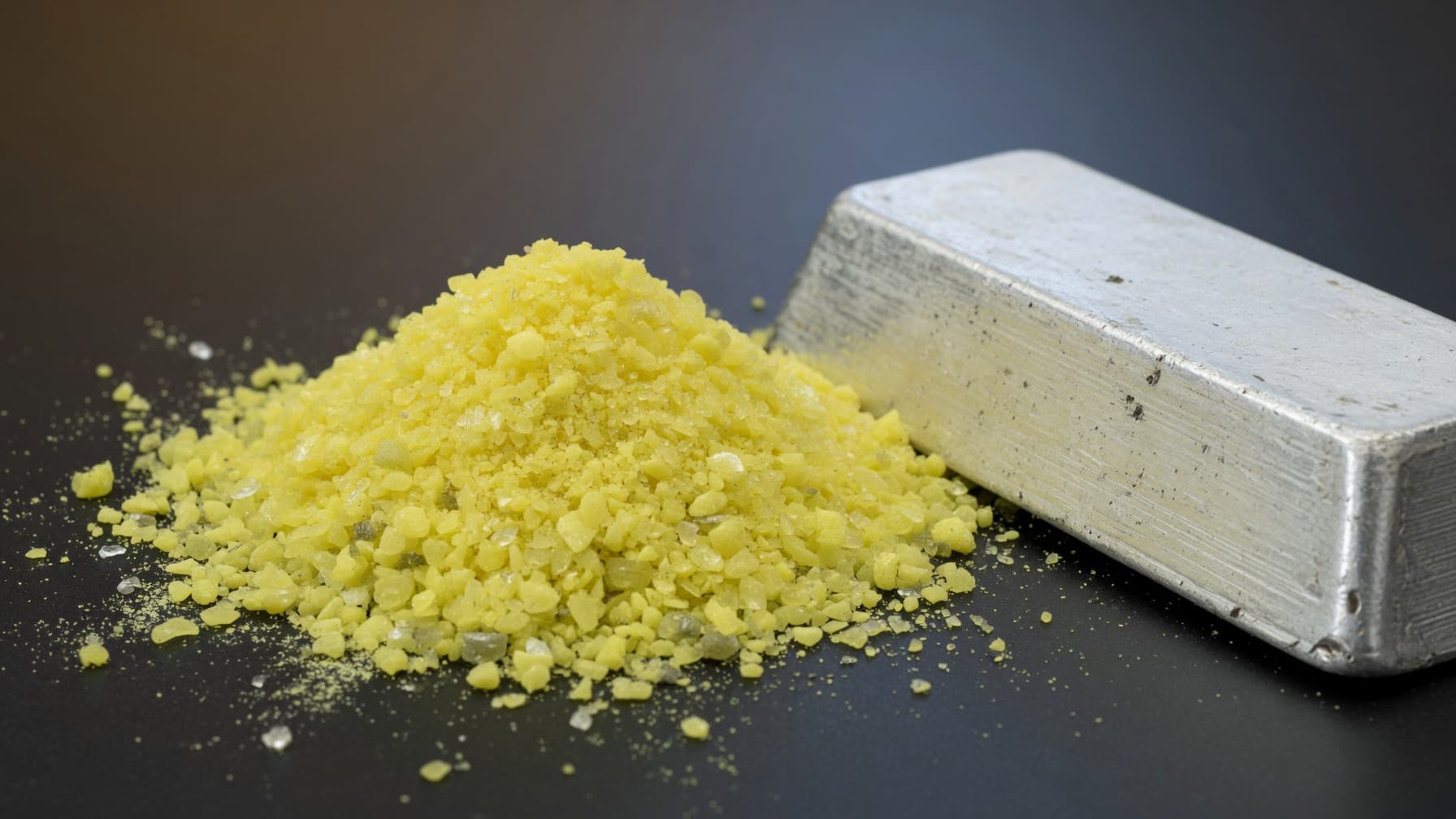
The Strait of Hormuz disruption extends beyond oil markets, affecting sulfur, aluminum, methanol and graphite that support global chemical manufacturing. Procurement teams should reassess sourcing strategies as industrial raw material risks continue to evolve.
Pharmaceutical‑grade dimethylformamide is entering a period of stronger demand as API manufacturing recovers and GLP‑1 peptide production expands. The rising demand creates supply risks that procurement teams must address before tighter market conditions emerge in 2026. This article outlines the drivers, risks, and sourcing strategies for securing DMF.
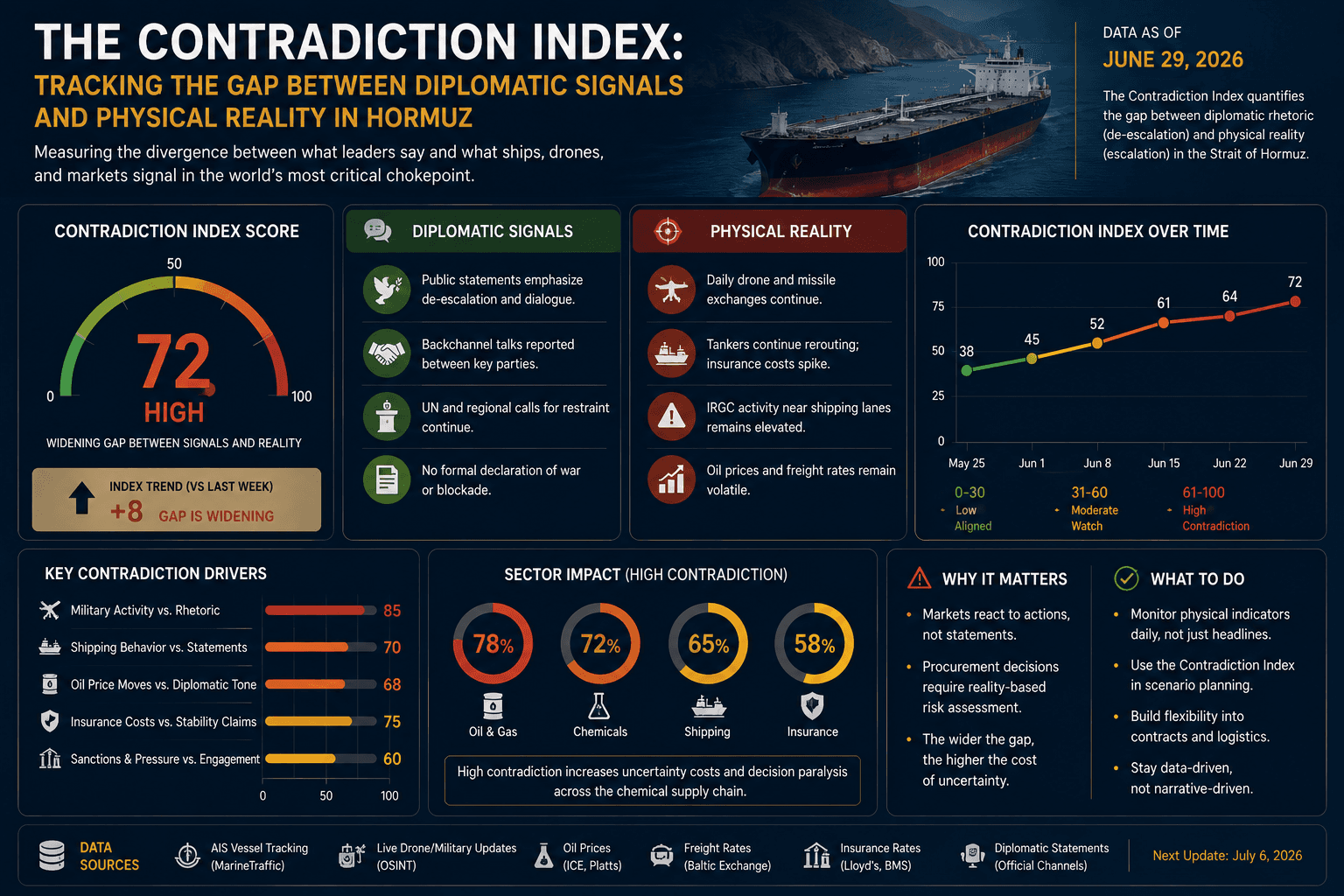
July 1 reveals the biggest contradiction of the Hormuz crisis so far: diplomacy suggests progress, but physical shipping data shows continued disruption. For chemical procurement professionals, understanding the gap between political signals and operational reality has become essential for making correct supply chain decisions.
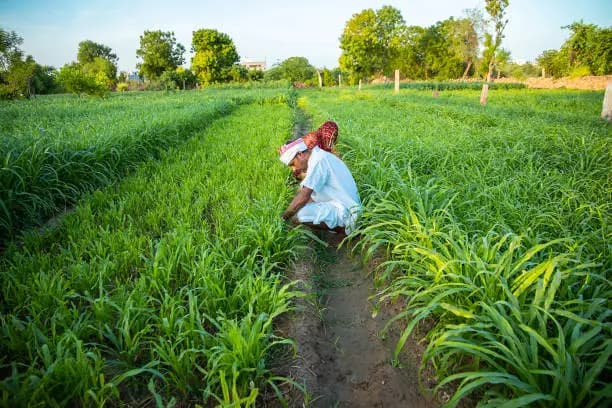
As H1 2026 closes, guar gum markets are entering their most critical supply-determination window
We're committed to your privacy. Tradeasia uses the information you provide to us to contact you about our relevant content, products, and services. For more information, check out our privacy policy.