GLP-1 API Sourcing: Chinese Suppliers Pivot to Generic Biosimilar Production After FDA Crackdown
Introduction
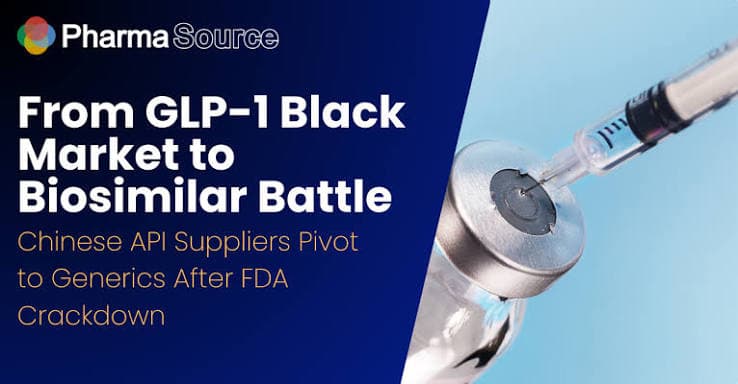
The global market for GLP-1 active pharmaceutical ingredients (APIs) is entering a new phase as Chinese suppliers adjust their production strategies following increased regulatory attention and enforcement actions by the U.S. Food and Drug Administration (FDA). Many manufacturers are shifting focus toward generic and biosimilar opportunities, creating new dynamics across pharmaceutical sourcing and supply chains.
As demand for GLP-1 therapies continues to expand, procurement teams and pharmaceutical companies are closely watching how supplier strategies evolve.
Understanding the GLP-1 Market
GLP-1 (Glucagon-Like Peptide-1) medicines have become one of the fastest-growing categories in modern pharmaceuticals. These therapies are commonly associated with:
Blood sugar management
Metabolic treatment
Weight management programs
Long-term chronic disease care
Strong global demand has increased pressure on manufacturers to secure reliable API capacity and maintain regulatory compliance.
Why Supplier Strategies Are Changing
Recent regulatory scrutiny has encouraged suppliers to reassess production priorities.
Several factors are influencing the shift:
Increased Regulatory Oversight
Higher expectations around manufacturing standards and product quality have pushed suppliers to strengthen compliance systems.
Rising Demand for Legitimate Market Entry
Rather than competing through short-term supply opportunities, manufacturers are increasingly targeting regulated generic and biosimilar pathways.
Long-Term Market Potential
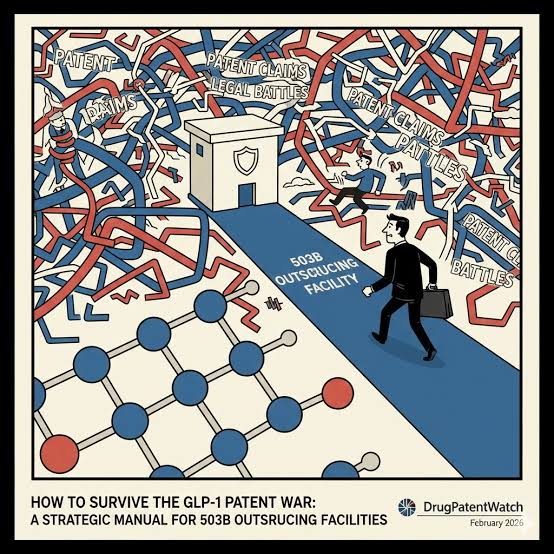
As patents and exclusivity periods evolve, suppliers see greater value in building capabilities for future approved product markets.
Expansion of Biopharmaceutical Manufacturing
Investment in advanced production technologies is making biosimilar development more attractive.
China’s Growing Focus on Biosimilar Production
Chinese pharmaceutical manufacturers are increasingly investing in:
Process development capabilities
Advanced biologics manufacturing
Regulatory documentation systems
International quality certifications
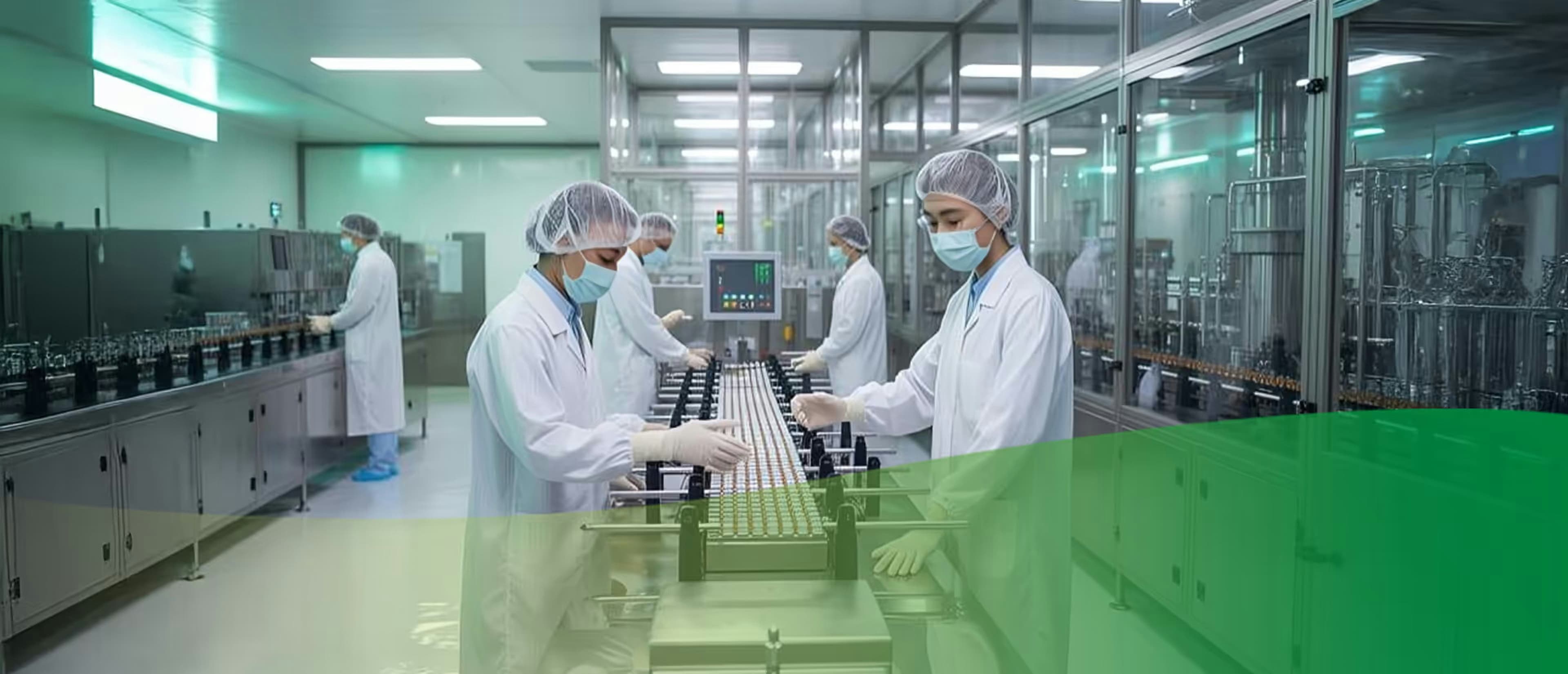
Large-scale production infrastructure
This shift reflects a move from volume-focused manufacturing toward value-focused pharmaceutical production.
What This Means for API Sourcing Teams
Procurement and supply chain leaders may need to adapt sourcing strategies.
Key expectations include:
Greater Supplier Differentiation
Compliance history and manufacturing quality may become more important than price alone.
Stronger Qualification Requirements
Supplier audits and technical assessments could become more detailed.
Longer Partnership Cycles
Companies may prioritize strategic supplier relationships over short-term procurement.
Competitive Global Expansion
Manufacturers that successfully enter regulated biosimilar markets may expand internationally.
Challenges Ahead
Despite growing momentum, several challenges remain:
Regulatory approval timelines
Manufacturing complexity
Intellectual property considerations
Capacity investment requirements
Global competition among suppliers
Success will depend on balancing cost efficiency with strict quality standards.
Conclusion
The shift of Chinese suppliers toward generic and biosimilar GLP-1 production highlights a broader transformation in pharmaceutical sourcing. Regulatory pressure, market opportunity, and manufacturing innovation are encouraging suppliers to move toward more structured and compliant business models.
For pharmaceutical procurement professionals, the changing GLP-1 landscape reinforces an important lesson: future competitiveness will depend not only on access to supply, but also on supplier quality, compliance readiness, and long-term resilience.