


2-Ethylhexyl Acrylate CAS: 103-11-7
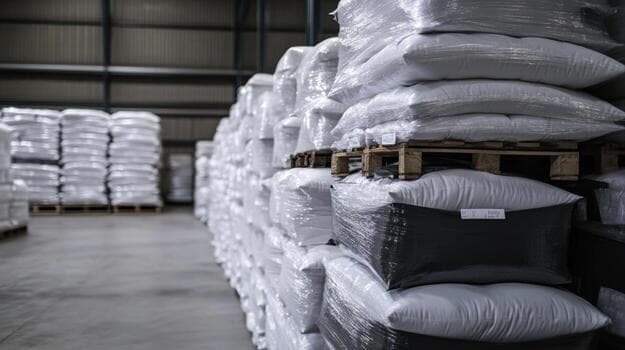
China's decision to delay phosphate exports until August, following earlier urea export restrictions, is influencing global fertilizer markets without formal trade bans. Procurement professionals should understand how export timing has become an increasingly important factor in supply chain planning.
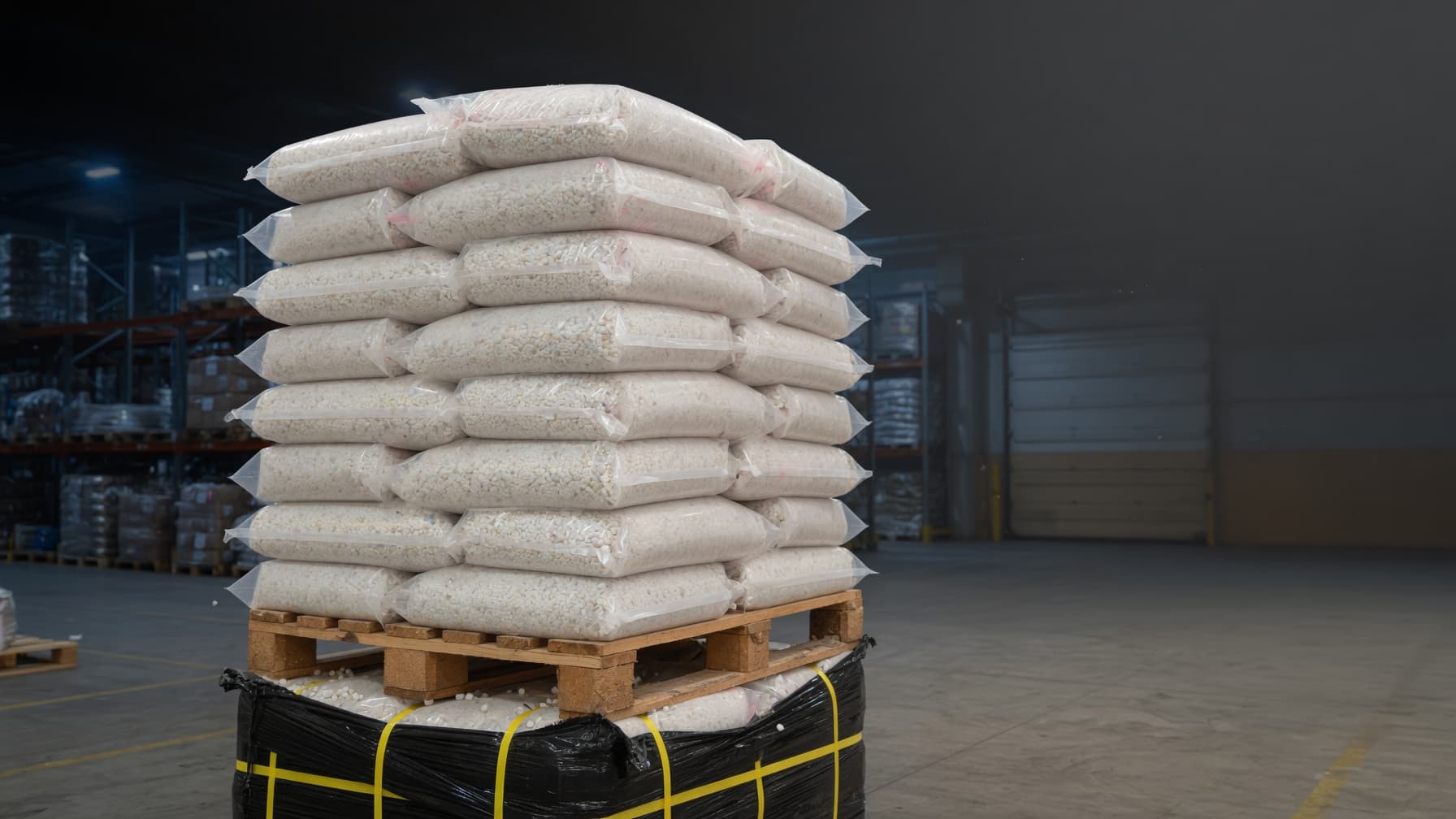
A petrochemical trader cautioned that raising prices significantly above 50 cents per pound could encourage previously exported low-priced material to return to the US market. The warning highlights how global arbitrage and pricing discipline continue to shape petrochemical trade flows.
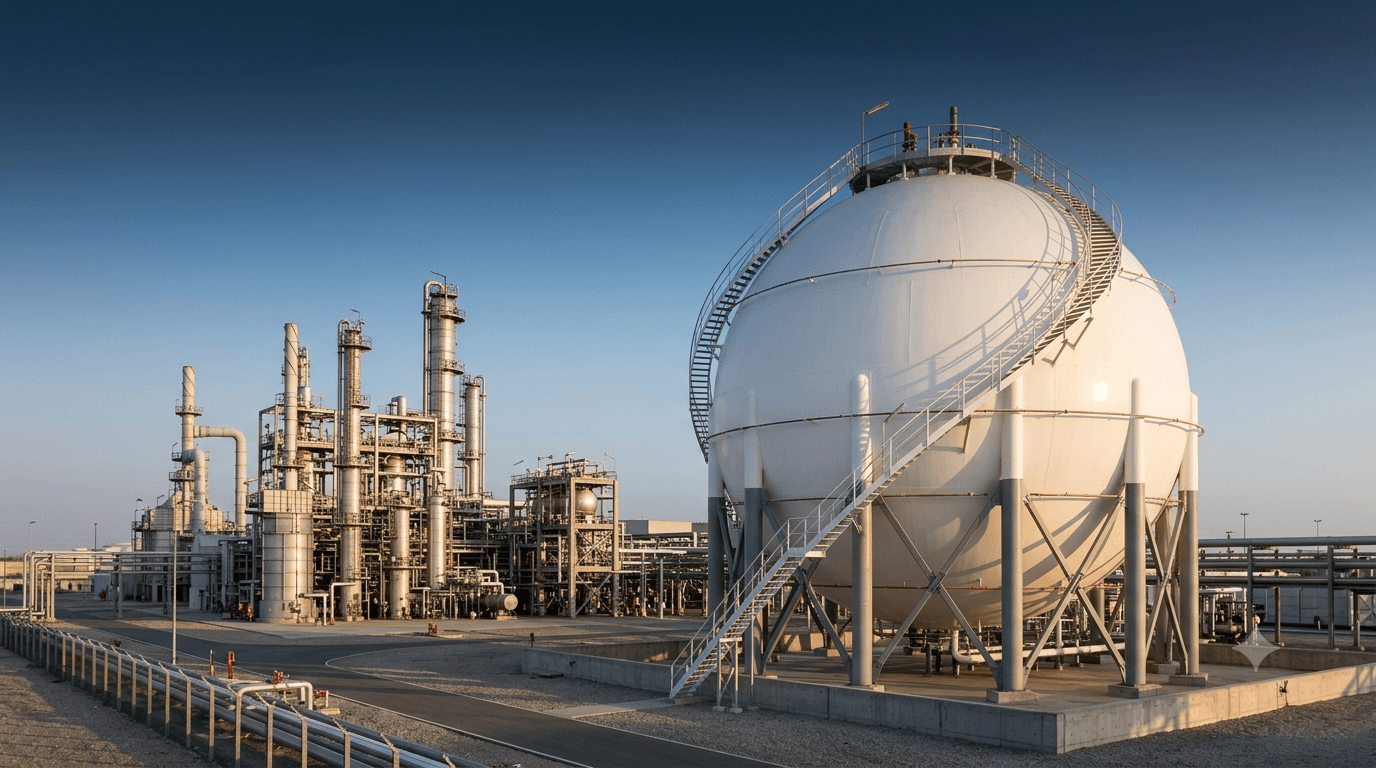
Singapore's PCS force majeure declaration reshaped supply planning for petrochemical buyers across Asia. As Middle East shipping conditions improve, procurement teams now face important decisions on contract renegotiation, delivery schedules and pricing.

The destruction of a large portion of Iran's petrochemical infrastructure has transformed a temporary logistics disruption into a long-term supply challenge. Ethylene and propylene buyers across global markets now face structural sourcing adjustments as Iranian production recovery could take well over a year.
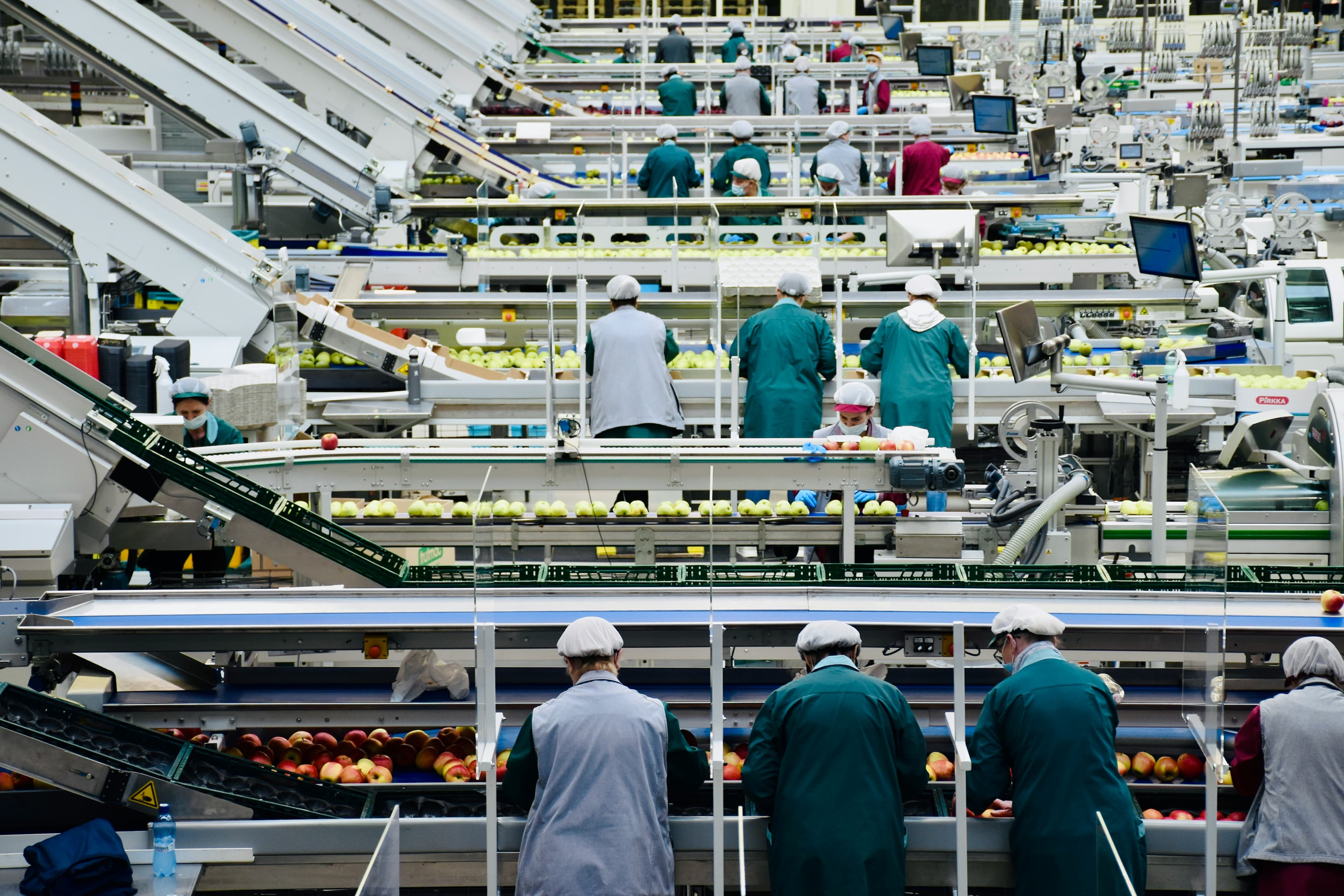
Recovering food supply chains are supporting renewed demand for MSG and related food ingredients across GCC markets.

By 2026 the global ascorbic acid market will still be anchored by China, yet freight cost inflation and new regulatory pressures are reshaping procurement strategies. Companies must navigate logistics premiums, ensure ICs2 compliance, and diversify suppliers to mitigate risk.
We're committed to your privacy. Tradeasia uses the information you provide to us to contact you about our relevant content, products, and services. For more information, check out our privacy policy.