Citrus Pulp CAS: 94266-47-4
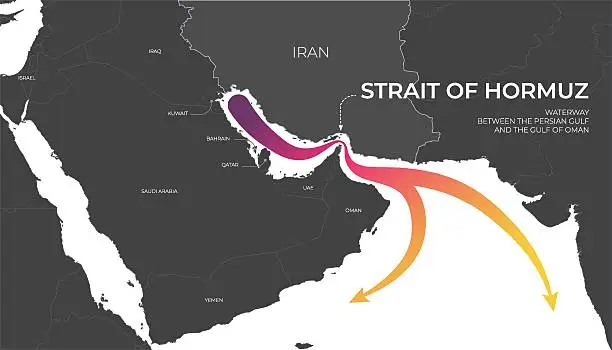
Simultaneous threats to the Hormuz and Bab el-Mandeb choke points could ripple through global shipping and chemical supply chains, demanding urgent resilience measures. This article examines the risks, impacts, and strategies to mitigate disruption.
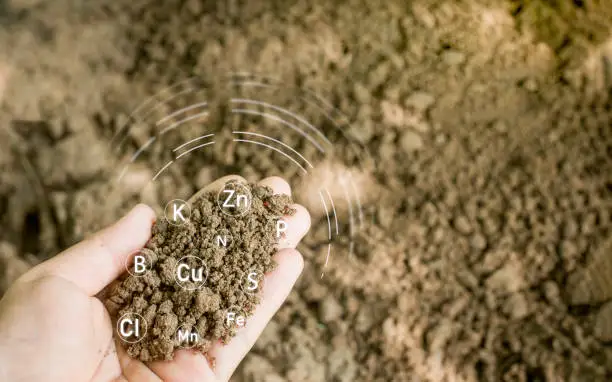
The EPA’s updated PFAS guidance reshapes how farmers use biosolids and fertilizers, influencing crop inputs and the broader food ingredient supply chain. Learn what it means for compliance, sourcing, and consumer safety.
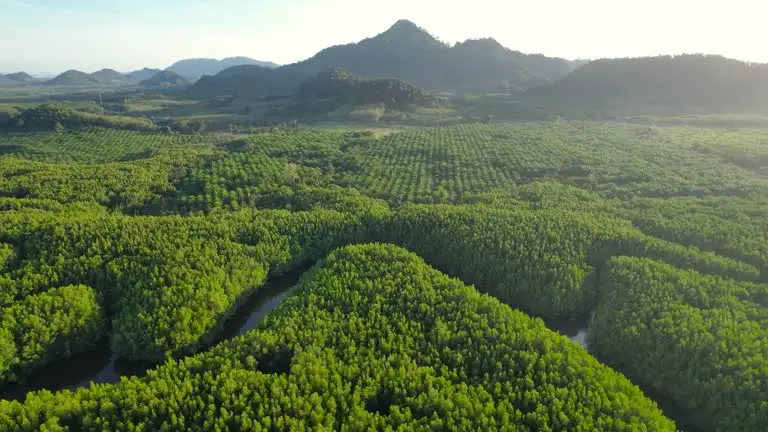
Tall oil, extracted from kraft pulp production in Scandinavia, offers a renewable, Hormuz‑free source of fatty acids and rosin. Its versatility fuels coatings, adhesives, inks and specialty chemicals, bolstering supply chain resilience across the Nordic chemical sector.

The first week of July marks the beginning of Rajasthan's guar planting season. Early planting progress and monsoon conditions will influence guar gum supply for both the food and oilfield industries during the 2026–27 marketing year.
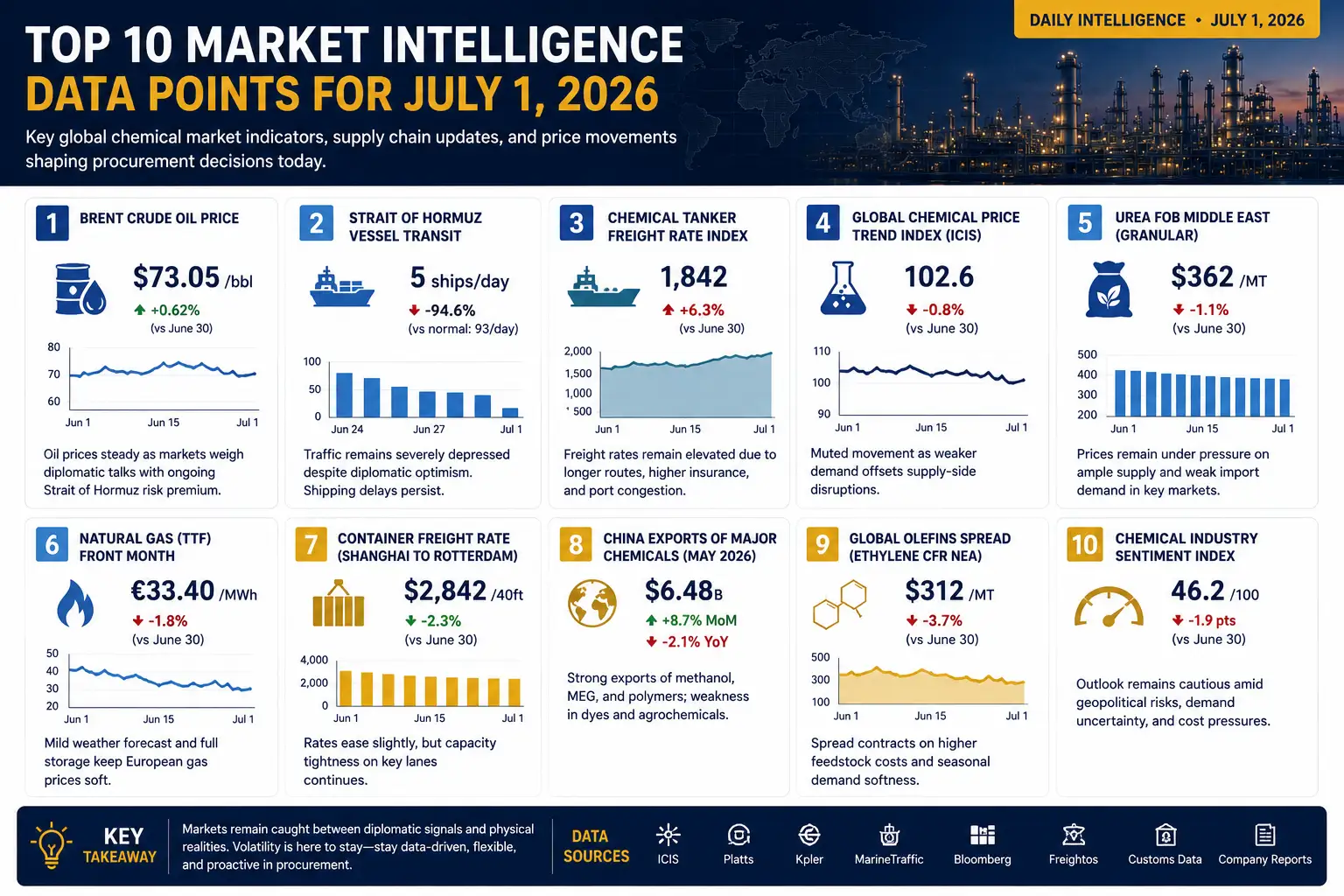
July 1 begins H2 2026 with conflicting market signals for chemical procurement professionals. While oil prices remain stable and diplomacy improves, shipping disruption, insurance risk, new regulations, and supply chain bottlenecks continue shaping one of the most complex operating environments the chemical industry has faced all year.
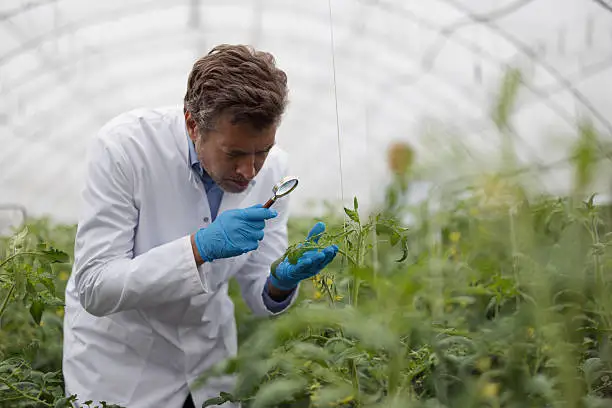
The latest UN food security assessment shows improving fertilizer supply but persistent risks for import‑dependent agricultural economies. While global fertilizer availability has steadied, price volatility and supply chain disruptions continue to threaten food security in vulnerable regions.
We're committed to your privacy. Tradeasia uses the information you provide to us to contact you about our relevant content, products, and services. For more information, check out our privacy policy.