
Citrus Pulp CAS: 94266-47-4
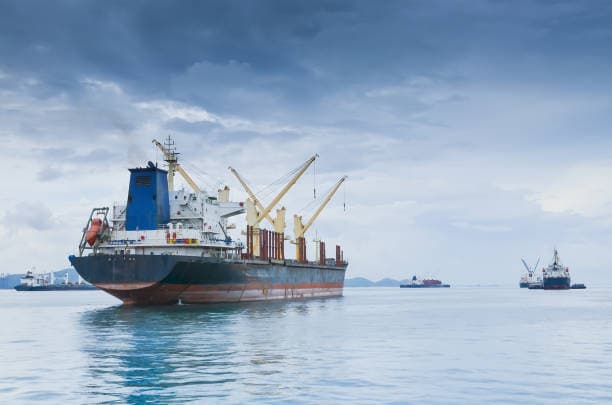
The sudden end of a regional ceasefire has formally reopened the Hormuz shipping crisis, କ re‑igniting fears of major disruptions in the Strait of Hormuz. This development threatens to ripple through chemical logistics, tanker operations, freight rates, and global supply chains, especially in the fertilizer sector.

Japanese chemical manufacturers are shifting investment away from China toward India after years of deepening engagement in Chinese markets. The pivot centers particularly on solar materials and reflects broader frustrations with operating conditions in China that procurement teams managing Asian supply chains must understand as sourcing patterns reshape across the region.

Qatar’s strategic position as a chemical exporter, coupled with its control over frozen Iranian funds and a robust LNG supply chain, solidifies its role in Gulf fertilizer markets. The nation’s diplomatic clout ensures stable ammonia production and market confidence across the region.
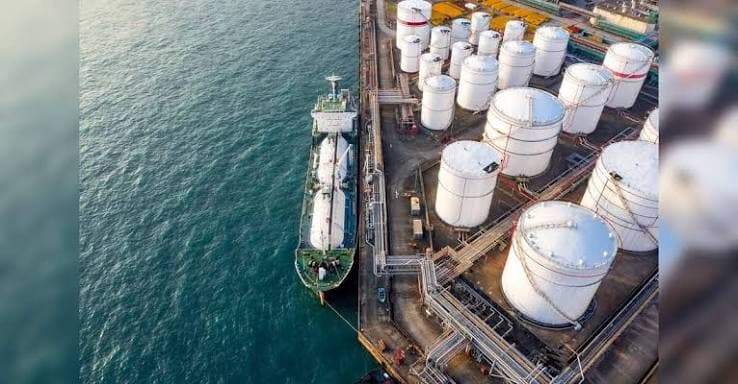
Although vessel movements through the Strait of Hormuz are increasing, the shipping backlog accumulated during the crisis remains substantial. Understanding convoy throughput and queue management provides buyers with a more realistic timeline for delayed chemical cargo arrivals during H2 2026.
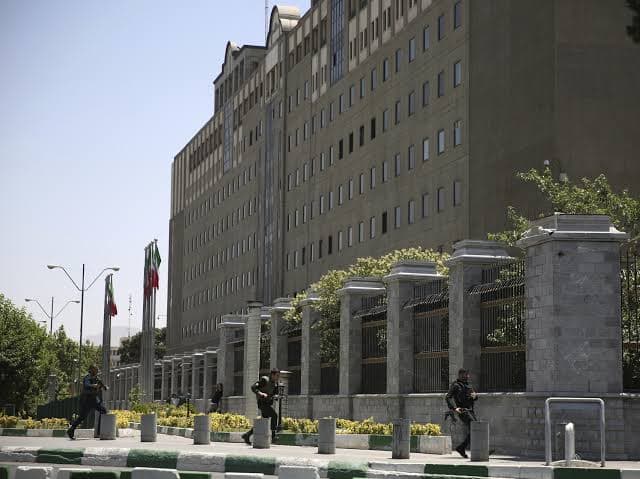
Iran enters H2 2026 presenting three distinct institutional positions on diplomacy, maritime security and international engagement. For chemical buyers, understanding these competing policy signals is becoming as important as monitoring production capacity or sanctions compliance.
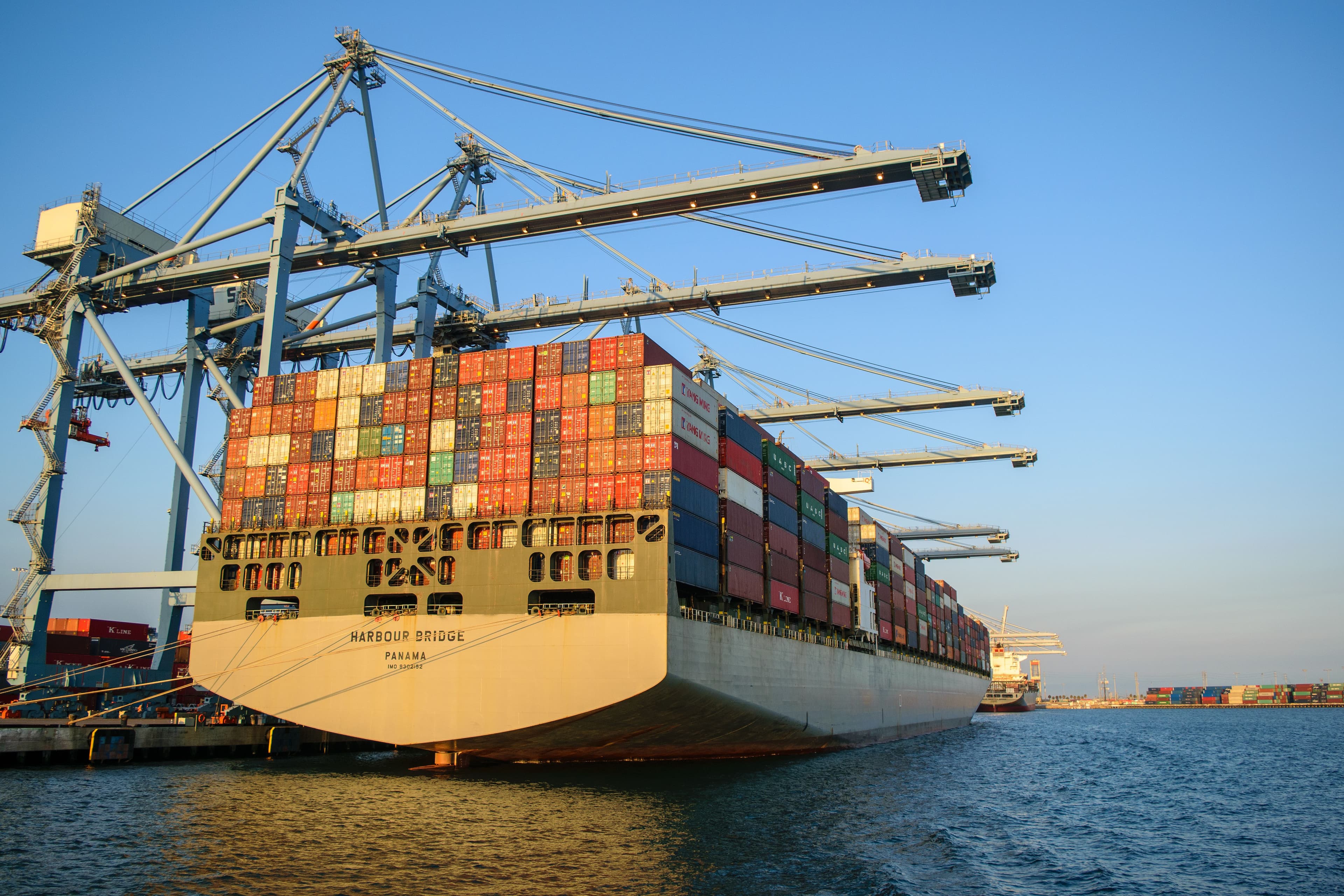
Methanol supply has remained active through recent Gulf disruptions, with AIS vessel tracking showing continued commercial movement. Buyers should separate headline risk from physical flow data when planning Q3 procurement.
We're committed to your privacy. Tradeasia uses the information you provide to us to contact you about our relevant content, products, and services. For more information, check out our privacy policy.