Ferrous Sulphate Heptahydrate (99.5%) - India CAS: 7782-63-0

Indonesia’s booming HPAL nickel refining pushes sulfuric acid demand to new highs, exposing the sector to Gulf sulfur supply risks. With convoys resuming, refiners must act swiftly to secure long‑term contracts before premiums rise again. The next 18 months will define margins for battery‑grade nickel producers.

Headline reports often describe the Strait of Hormuz as closed during periods of military escalation, but AIS vessel tracking frequently tells a different story. This analysis explains why chemical traders and procurement teams should rely on verified shipping movements instead of political rhetoric when managing logistics, sourcing and freight risk.
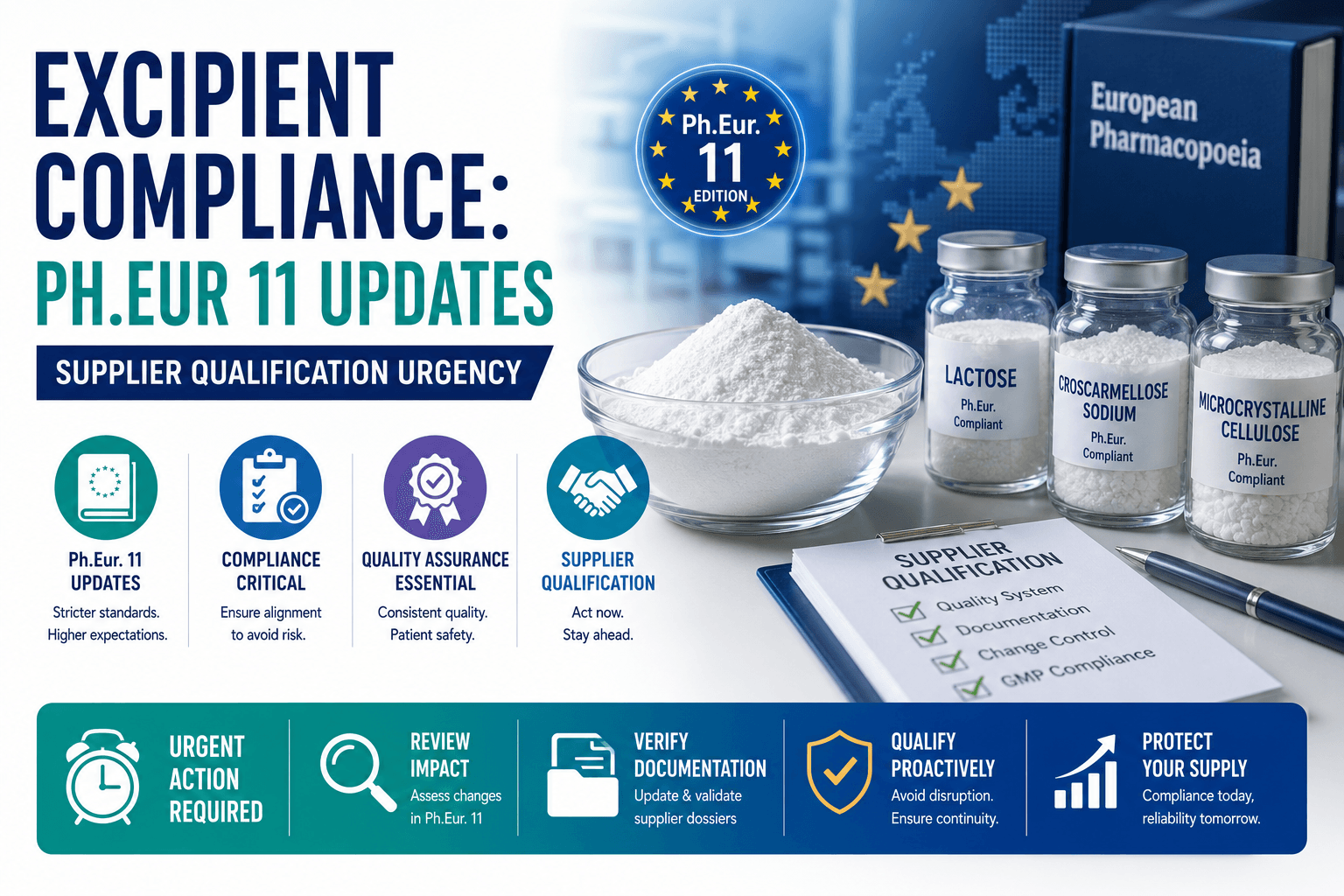
Ph.Eur 11 introduces updated compliance standards for pharmaceutical excipients in 2026, requiring suppliers to provide revised CoA documentation and updated testing procedures. Procurement teams should immediately verify supplier readiness to avoid regulatory and supply chain risk.

New PFAS reporting requirements are expected to reshape compliance obligations across the pharmaceutical supply chain. Manufacturers should begin assessing ingredients, excipients, packaging materials and supplier networks before reporting windows open.

Pharmaceutical-grade glycerin is experiencing sustained price pressure in 2026 as disruptions across the global oleochemical supply chain raise production costs. Pharmaceutical and personal care buyers are increasingly prioritizing supply security as the premium between pharma and technical-grade glycerin widens.
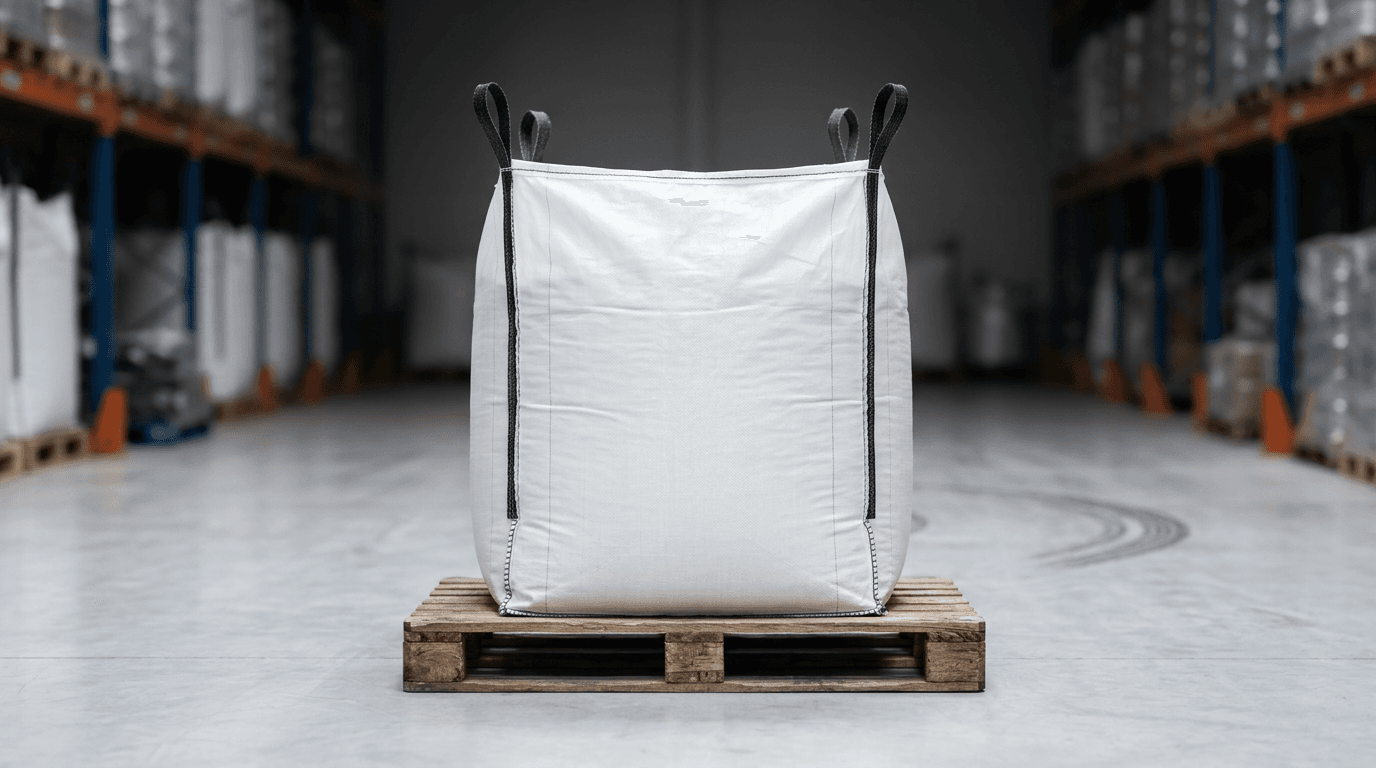
India’s polypropylene market is facing supply pressure as feedstock restrictions affect around 80% of domestic PP capacity. Buyers are evaluating imports, alternative suppliers and pricing strategies before further market changes.
We're committed to your privacy. Tradeasia uses the information you provide to us to contact you about our relevant content, products, and services. For more information, check out our privacy policy.