Calcium Hydroxide - China CAS: 1305-62-0
Calcium Hydroxide - China CAS: 1305-62-0
The disruption of naphtha shipments through the Strait of Hormuz has placed renewed pressure on Asia's petrochemical industry. Buyers of olefins, polymers and downstream petrochemicals should reassess feedstock exposure and supplier resilience as market conditions evolve.
The IMF's April 2026 Regional Economic Outlook highlights the strategic importance of the Strait of Hormuz to global oil, helium, sulfur, ammonia and petrochemical feedstock flows. Chemical procurement teams can use this multilateral data to strengthen supply chain risk assessments and executive decision making.
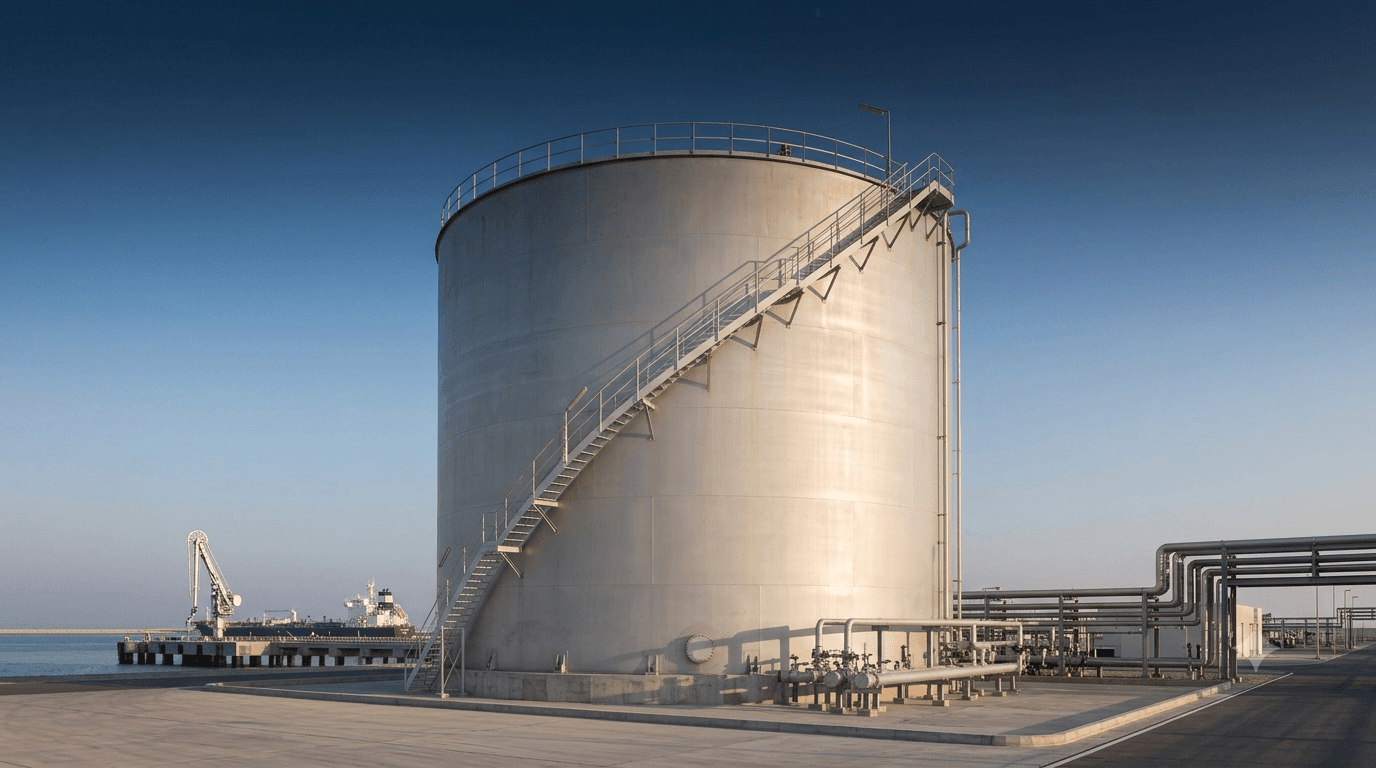
Asian petrochemical producers are reshaping their naphtha sourcing strategies after major supply disruptions exposed concentration risks. This analysis explains why diversified procurement has become a long-term competitive advantage for buyers across the region.

Iran’s proposal to charge “service fees” for Hormuz passage could permanently reshape the economics of global chemical trade. If transit charges become permanent, Gulf-origin chemical supply chains may face $500 million to $1.5 billion in additional annual costs that buyers will ultimately absorb through higher contract pricing.
China's chemical industry ended H1 2026 as the world's primary swing supplier, filling supply gaps created by disruptions in Gulf exports. As Middle Eastern production steadily returns, procurement teams must determine which Chinese export advantages remain permanent and which were driven by exceptional market conditions.
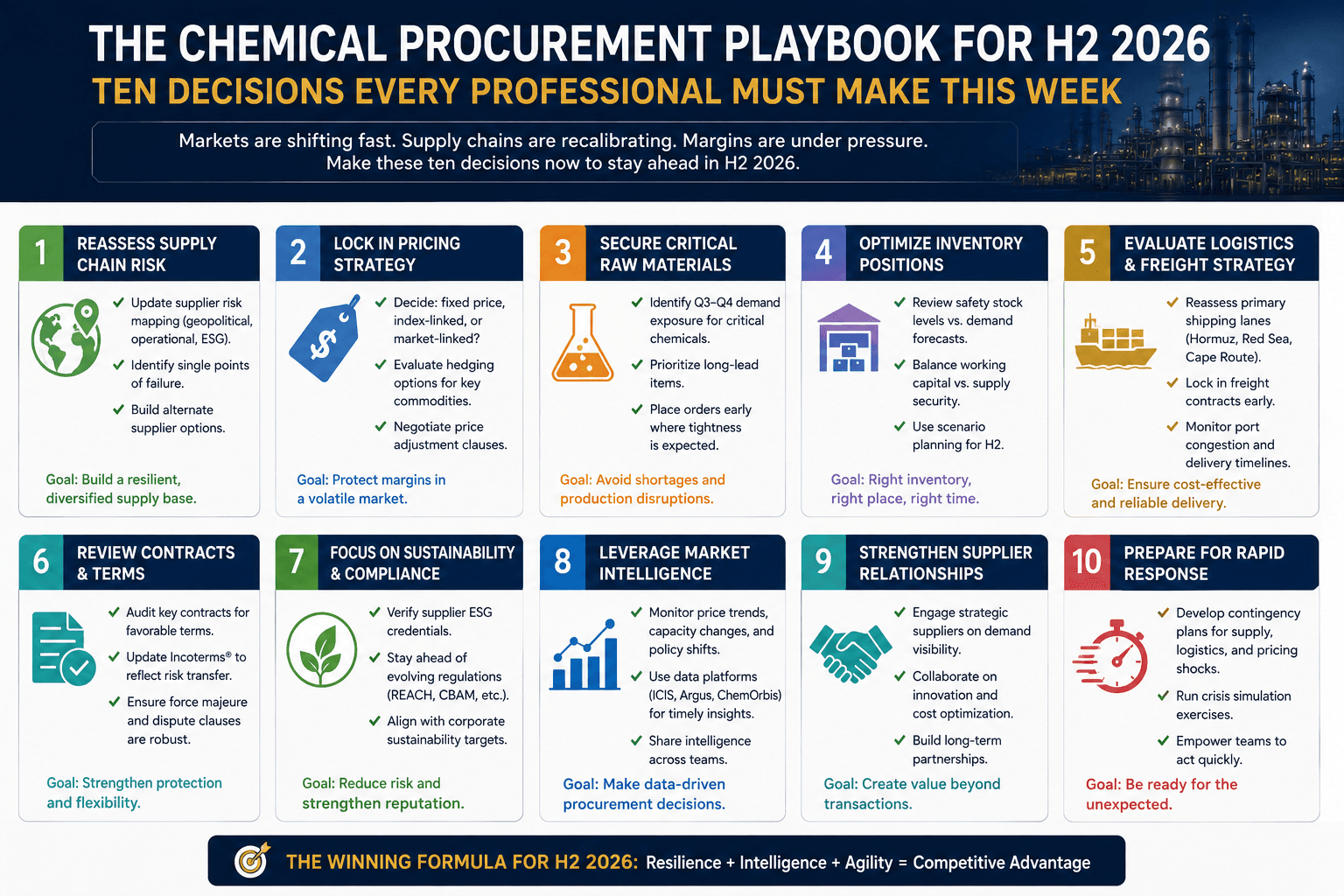
H2 2026 begins with a critical decision window for chemical procurement professionals. From India duty deadlines and Gulf supply recovery to freight renegotiation, fertilizer contracts, and regulatory compliance, these ten strategic decisions could define procurement performance for the rest of the year.
We're committed to your privacy. Tradeasia uses the information you provide to us to contact you about our relevant content, products, and services. For more information, check out our privacy policy.