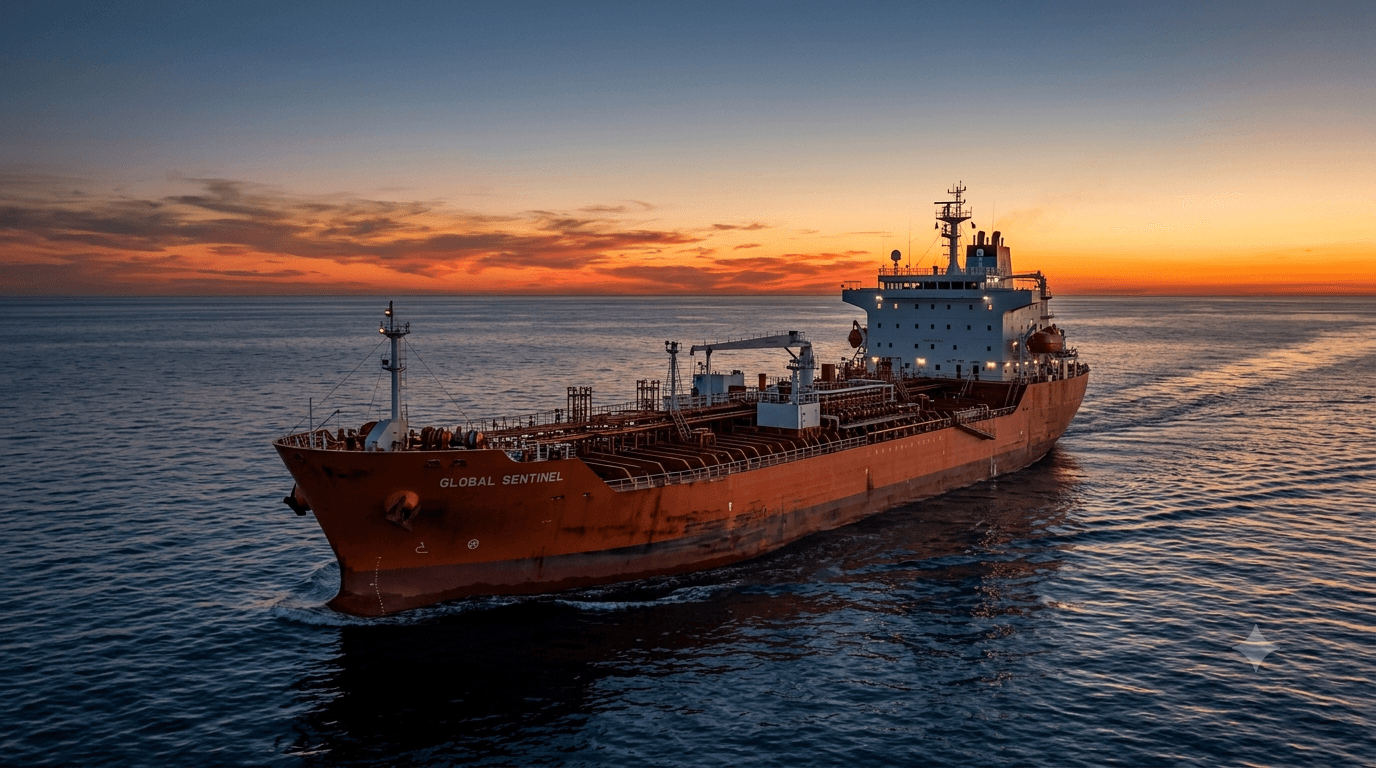
War risk insurance became one of the defining issues for chemical logistics during the first half of 2026. While Gulf exports recovered to roughly 75 percent of pre-war levels, insurance pricing followed a very different path. Premiums for Strait of Hormuz transits finished H1 at approximately eight times pre-crisis levels, making insurance a larger commercial concern than physical cargo availability for many importers.
The market reached this point after the Ever Lovely and Kiku attacks, events that reinforced concerns about vessel safety even during periods of active diplomatic engagement. For chemical traders, procurement managers and exporters, H1 demonstrated that insurance markets react to potential future losses rather than simply reflecting the volume of ships moving through the region.
Why War Risk Insurance Changed So Dramatically
Marine insurers continuously reassess the likelihood of loss when geopolitical conditions deteriorate.
Unlike standard marine cover, war risk insurance specifically addresses threats linked to armed conflict, missile attacks, sabotage and similar events that fall outside ordinary shipping risks.
During H1 2026, insurers faced repeated incidents that challenged assumptions about vessel safety. Rather than viewing attacks as isolated events, many underwriters began treating them as evidence of an ongoing operational threat.
That shift fundamentally changed pricing.
The Ever Lovely and Kiku Attacks Reshaped Risk Models
The Ever Lovely and Kiku incidents became reference points throughout the insurance market.
Instead of focusing only on the immediate financial impact of those attacks, insurers evaluated what they suggested about future exposure.
Several conclusions influenced premium calculations.
Attacks could occur despite heightened naval security.
Diplomatic negotiations did not eliminate operational risk.
Commercial vessels remained potential targets even when regional exports continued.
Future incidents could happen with limited warning.
As a result, insurers increased pricing to reflect uncertainty rather than recent shipping volumes.
Eight Times Higher Than Pre-Crisis Levels
By the close of H1 2026, war risk insurance premiums for Hormuz transits had climbed to around eight times pre-crisis levels.
That increase represented the most severe insurance market disruption during the entire crisis period.
Interestingly, premium levels exceeded those seen during the initial February and March shipping disruption, despite stronger export activity later in the first half.
This highlights an important market principle.
Insurance prices do not necessarily decline as soon as supply chains begin recovering.
Why Insurance Did Not Follow Physical Supply Recovery
Many buyers expected insurance costs to ease once exports resumed.
Instead, premiums remained elevated because insurers focused on tail risk, the possibility of infrequent but extremely costly events.
From an underwriting perspective, several concerns remained.
Successful vessel attacks had already occurred.
Future incidents remained difficult to predict.
Cargo values for chemical shipments often justify significant insurance exposure.
Regional tensions could escalate rapidly with little notice.
Physical supply improved because producers resumed operations and vessels continued sailing.
Insurance pricing remained high because the potential financial consequences of another attack had not materially changed.
The Impact of P&I Club Withdrawals
Another defining feature of H1 involved protection and indemnity coverage.
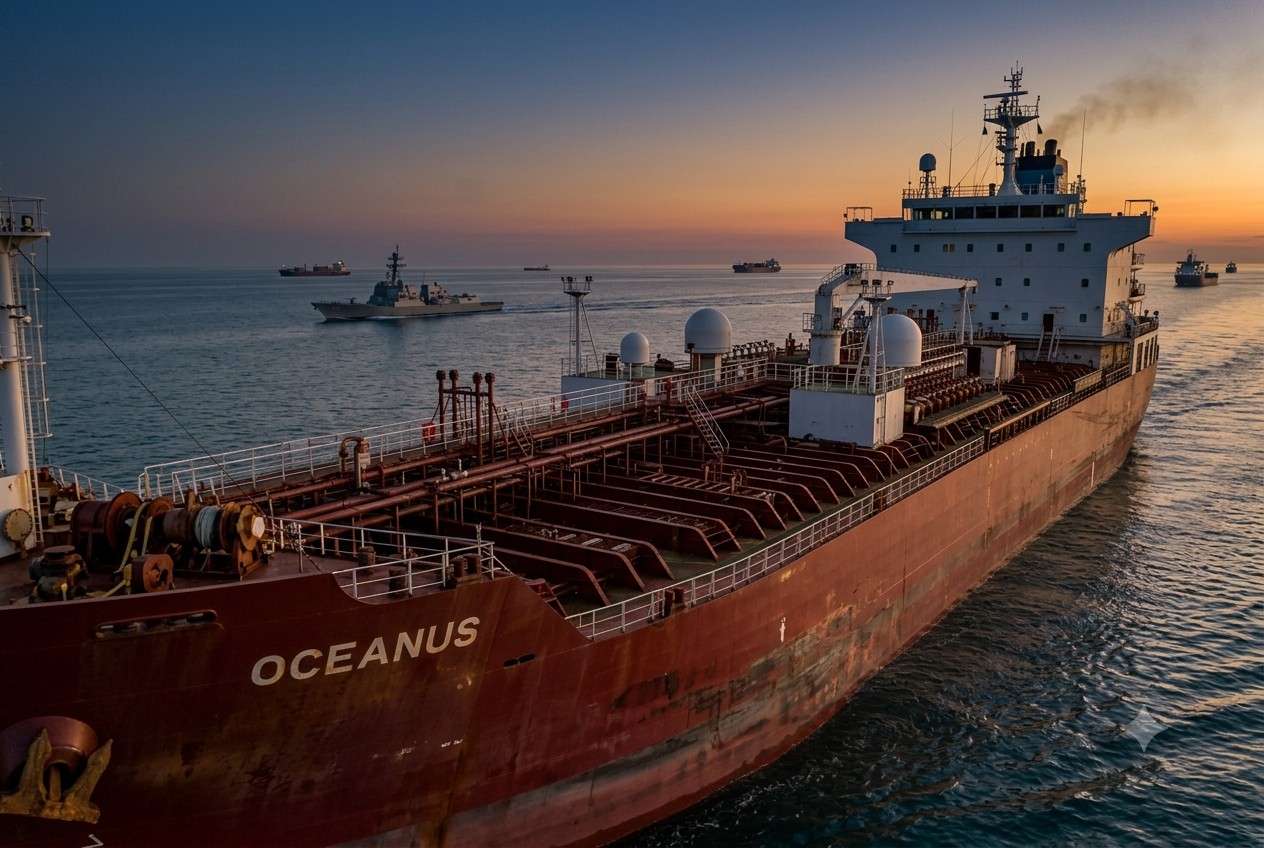
Six P&I clubs withdrew coverage for certain Hormuz transits, forcing shipowners and charterers to seek alternative arrangements or accept higher operating costs.
For chemical exporters, this created additional commercial challenges.
Higher insurance costs affected voyage economics.
Some shipowners became more selective about accepting Gulf cargoes.
Negotiating charter agreements required additional time.
Delivered pricing became less predictable.
Even where cargo availability remained stable, insurance introduced another layer of uncertainty into procurement planning.
Chemical Products Most Exposed to Insurance Costs
Higher war risk premiums affect almost every bulk chemical moving through Gulf export terminals.
Products with significant regional trade include:
Methanol, exported in large parcel sizes where freight and insurance represent important components of delivered cost.
Ammonia, serving fertilizer producers and industrial consumers worldwide.
Caustic soda, shipped to manufacturing and water treatment markets across multiple continents.
Sulphur, supporting downstream sulfuric acid and fertilizer production.
Monoethylene glycol, widely used in polyester and packaging manufacturing.
For high-volume cargoes, relatively small increases in insurance costs can translate into substantial changes in landed prices.
What Procurement Teams Should Watch During H2 2026
Insurance planning deserves the same attention as supplier qualification and freight negotiations.
Procurement teams should monitor several indicators throughout the second half of the year.
Changes in war risk premium quotations.
Updates from insurers and P&I clubs.
Naval security developments across Gulf shipping lanes.
Actual vessel transit volumes.
New geopolitical incidents that may alter underwriting assumptions.
Waiting for insurance markets to return quickly to pre-crisis pricing could leave buyers unprepared.
Building Better Procurement Strategies
Organizations purchasing chemicals from Gulf suppliers can reduce uncertainty through practical planning.
Effective approaches include:
Securing freight quotations earlier in the procurement cycle.
Requesting insurance assumptions as part of supplier pricing.
Maintaining alternative sourcing options where commercially viable.
Building appropriate inventory for strategically important raw materials.
Reviewing contract clauses covering freight adjustments and extraordinary costs.
These measures improve budgeting even when insurance markets remain volatile.
Why Tail Risk Will Continue Driving Premiums
Insurance companies do not price policies solely according to the average probability of successful voyages.
They also consider the financial consequences of rare but severe losses.
That distinction explains why premium reductions often lag improvements in operational conditions.
Even if Gulf exports continue recovering during H2 2026, insurers are likely to maintain conservative pricing until they gain confidence that the probability of major attacks has fallen over a sustained period.
The Bottom Line for Procurement Teams
The closing insurance picture for H1 2026 delivers a clear message for chemical buyers. Physical supply recovery and insurance recovery are separate market trends that move at different speeds. While Gulf exports have regained much of their previous volume, marine insurers continue pricing the possibility of future disruptions more heavily than current shipping activity.
Procurement teams should therefore plan H2 budgets around continued elevated war risk premiums rather than assuming insurance costs will decline alongside improving export performance. Companies that integrate insurance intelligence with freight planning and supplier management will be better positioned to control landed costs and respond to further geopolitical developments. Ready to source Methanol from verified global suppliers? Explore competitive offers on our platform today.
Methanol CAS: 67-56-1