Iran Chemical Watch: Petrochemical Export Waivers — What This Means for Iranian Methanol, MEG, and PTA Markets
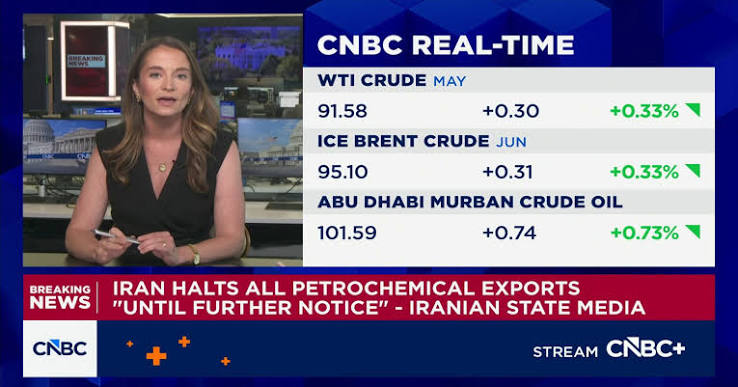
The global petrochemical market is entering a new phase of volatility as recent temporary sanctions waivers on Iranian oil and petrochemical exports begin to reshape supply expectations. These waivers—issued as part of broader diplomatic negotiations—signal a short-term easing of restrictions on Iranian trade, including key chemical chains such as methanol, mono-ethylene glycol (MEG), and purified terephthalic acid (PTA).
For Iran, this is not just policy relief. It is a direct reset of its export outlook at a time when its petrochemical sector has been under severe pressure from sanctions, infrastructure disruptions, and regional instability.
1. The Waiver Shift: A Controlled Reopening of Iranian Chemical Exports
Recent developments indicate that the United States has issued a temporary sanctions waiver allowing Iranian exports of crude oil, petroleum products, and petrochemicals through August 2026 under a limited framework .
At the same time, broader diplomatic discussions suggest:
No immediate expansion of sanctions enforcement during the waiver period
Controlled export flows permitted under monitoring conditions
Focus on stabilizing regional energy and trade routes
This does not represent full sanctions relief—but it does reopen select petrochemical trade channels that had been heavily constrained.
2. Why Methanol, MEG, and PTA Are the Core Market Watchpoints
Iran is not just an oil exporter—it is a major global petrochemical supplier, particularly in methanol and glycol chains.
Methanol
Iran is one of the world’s largest methanol producers
Exports are heavily dependent on Asia, especially China and India
Historically, over 90% of production is export-oriented
Market impact of waivers:
More Iranian methanol returns to spot Asian markets
Short-term downward pressure on prices
Increased competition with U.S., Saudi, and Southeast Asian supply
MEG (Mono-Ethylene Glycol)
MEG is a key raw material for polyester and packaging industries.
Iran’s role:
Integrated into gas-based petrochemical complexes
Export-dependent during surplus cycles
What changes with waivers:
Greater availability of Iranian MEG cargoes in China and Turkey
Potential pressure on Asian polyester margins
Reduced dependence on Middle Eastern alternative suppliers
PTA (Purified Terephthalic Acid)
PTA is crucial for polyester fiber and textile supply chains.
Iran’s PTA position:
Smaller than China or India, but strategically important in regional trade
Often moves through long-term contracts with Asian buyers
Impact of waiver relief:
Iranian PTA becomes more competitively priced in spot markets
Buyers may temporarily shift away from Chinese domestic PTA producers
Freight arbitrage improves export viability for Iranian sellers
3. What Changes for Iran’s Petrochemical Export Strategy
(1) Return of “Shadow-to-Formal” Trade
During strict sanctions periods:
Trade relied heavily on intermediaries and rerouting
Shipments faced higher insurance and compliance risk
With waivers:
Some flows may temporarily move back into semi-formal channels
Reduced transaction friction improves competitiveness
Pricing transparency increases
(2) Production Rebalancing
Iran’s petrochemical system has recently been unstable due to:
Energy constraints
Infrastructure damage from regional conflict episodes
Export bans during domestic supply shortages
The waiver creates incentives to:
Restart idle methanol and polymer units
Increase export-oriented run rates
Prioritize high-liquid products like methanol and MEG
(3) Short-Term Export Surge Risk
Historically, Iran responds quickly to easing cycles by:
Clearing inventory backlogs
Increasing spot cargo exports
Discounting prices to regain market share
This typically leads to:
Temporary oversupply in Asian petrochemical markets
Price softening in methanol and glycol chains
Freight market tightening on Middle East–Asia routes
4. Market Impact: Who Gains and Who Loses
Winners
Chinese buyers: lower feedstock costs for downstream chemicals
Indian polyester and textile producers: cheaper PTA and MEG inputs
Middle Eastern traders: increased arbitrage opportunities
Shipping sector: higher short-term tanker demand
Pressure Points
Saudi Arabia & UAE petrochemical exporters: face renewed Iranian price competition
Asian methanol producers: margin compression due to Iranian spot volumes
Global PTA exporters (China, Taiwan, South Korea): temporary oversupply risk
5. The Key Risk: This Is Not Structural Normalization
Despite the temporary relief, the market is still operating under:
Time-limited waiver conditions (ending August 2026)
Ongoing sanctions frameworks and enforcement uncertainty
Geopolitical fragility around the Strait of Hormuz and regional trade routes
This means:
Trade flows remain policy-sensitive
Any diplomatic breakdown could instantly reverse export gains
Buyers will avoid over-reliance on Iranian supply
Conclusion
The petrochemical export waivers mark a temporary reopening of Iran’s methanol, MEG, and PTA export channels, injecting short-term liquidity into global chemical markets.
But the deeper signal is more important than the immediate price impact:
Iran is re-entering global petrochemical competition—but under constraints
Asian markets will see short-term supply relief but persistent volatility
Structural competition between Iran, China, and Gulf producers remains intact