
Pharmaceutical Packaging Polymers: The Duty-Waiver Aftermath and Indian Medical Device Competitiveness
Introduction
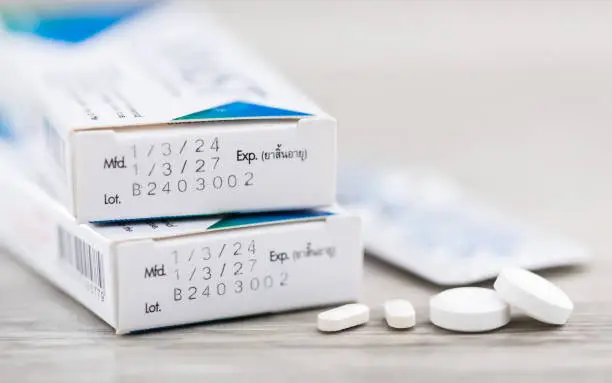
Pharmaceutical packaging is a critical component of the healthcare supply chain, ensuring that medicines and medical devices remain safe, sterile, and effective throughout storage and transportation. The industry relies heavily on high-performance polymers for applications ranging from blister packs and IV bags to syringes, medical tubing, and protective packaging.
Government policy changes, including duty waivers on imported raw materials, can significantly influence the cost structure of packaging manufacturers and medical device producers. In India, such measures have attracted attention as businesses assess their potential impact on production costs, domestic manufacturing, and global competitiveness. While the effects vary depending on the specific products and policies involved, duty relief can reshape procurement strategies and investment decisions across the pharmaceutical packaging ecosystem.
The Importance of Packaging Polymers in Healthcare
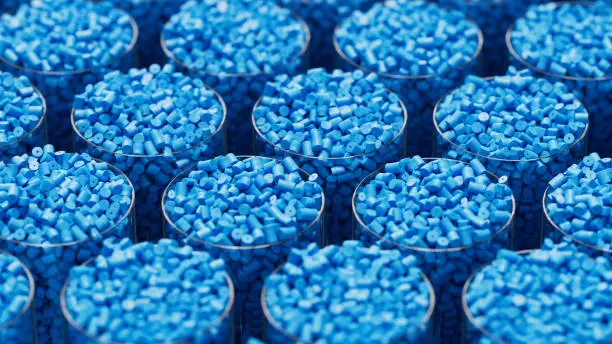
Packaging polymers play an essential role in protecting pharmaceutical products from contamination, moisture, oxygen, light, and physical damage. They also help manufacturers comply with strict regulatory and safety standards.
Common pharmaceutical packaging polymers include:
Polyethylene (PE)
Polypropylene (PP)
Polyvinyl Chloride (PVC)
Polyethylene Terephthalate (PET)
Cyclic Olefin Polymers (COP)
Cyclic Olefin Copolymers (COC)
These materials are widely used in:
Blister packaging
Bottles and containers
Syringes
IV solution bags
Medical tubing
Diagnostic device components
The selection of polymers depends on product compatibility, sterilization requirements, barrier properties, and regulatory compliance.
Understanding the Impact of Duty Waivers
Duty waivers reduce or eliminate import taxes on selected raw materials or components, potentially lowering procurement costs for manufacturers that rely on imported inputs.
Possible benefits include:
Lower Raw Material Costs
Reduced import duties can decrease the cost of specialty polymers that are not readily available through domestic production.
Improved Manufacturing Efficiency
Access to competitively priced materials enables manufacturers to optimize production without compromising quality.
Greater Supply Flexibility
Companies may diversify sourcing options by importing materials from multiple international suppliers.
Enhanced Export Competitiveness
Lower production costs can improve pricing for finished pharmaceutical packaging and medical devices in global markets.
The actual impact depends on factors such as exchange rates, logistics expenses, supplier pricing, and overall market conditions.
Implications for India's Medical Device Industry
India has emerged as one of the world's fastest-growing medical device markets, supported by expanding healthcare infrastructure, government initiatives, and increased investment in manufacturing.
Lower input costs can provide several advantages:
Competitive Pricing
Manufacturers may be able to offer products at more competitive prices in domestic and export markets.
Increased Investment
Cost savings may encourage investment in advanced manufacturing technologies and production capacity.
Product Innovation
Greater access to specialized polymers can support the development of innovative packaging solutions and next-generation medical devices.
Export Growth
Competitive manufacturing costs can strengthen India's position as a global supplier of healthcare products.
However, long-term competitiveness also depends on quality systems, regulatory compliance, skilled workforce development, and continuous innovation.
Procurement Strategies for Packaging Manufacturers
To maximize the benefits of changing trade policies, procurement teams should adopt a comprehensive sourcing strategy.
Recommended practices include:
Diversify Supplier Networks
Establish relationships with both domestic and international polymer suppliers to improve supply security.
Monitor Trade Policies
Stay informed about import duties, tariff revisions, and regulatory updates that may influence procurement costs.
Evaluate Total Landed Cost
Assess transportation, insurance, customs, and storage expenses in addition to raw material pricing.
Prioritize Quality Compliance
Ensure packaging materials meet pharmaceutical regulatory standards and customer specifications.
Build Long-Term Supplier Partnerships
Collaborative supplier relationships support consistent quality, stable pricing, and reliable deliveries.
Future Outlook
Demand for pharmaceutical packaging materials is expected to grow alongside expanding healthcare services, biologic medicines, vaccine production, and medical device manufacturing. At the same time, sustainability initiatives are encouraging manufacturers to develop recyclable, lightweight, and environmentally responsible polymer solutions.
Companies that combine cost-efficient sourcing with regulatory compliance and innovation will be better positioned to compete in both domestic and international markets.
Conclusion
Packaging polymers remain essential to the safety, quality, and performance of pharmaceutical products and medical devices. Duty waivers on imported raw materials have the potential to improve cost competitiveness for manufacturers, particularly when combined with efficient procurement and resilient supply chain strategies.
For India's medical device sector, long-term success will depend not only on favorable trade policies but also on investments in quality, technology, supply chain resilience, and global regulatory compliance. Businesses that take a balanced approach to sourcing and manufacturing will be well equipped to capitalize on future growth opportunities in the healthcare industry.
Barium Chloride Dihydrate CAS: 10326-27-9