


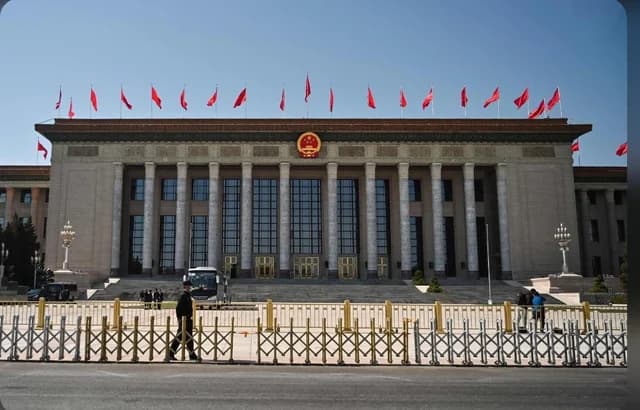
Escalating geopolitical developments are increasing attention on congressional oversight and the potential for new policy actions. Chemical companies should monitor legislative developments that could influence sanctions, trade regulations and supply chain compliance.
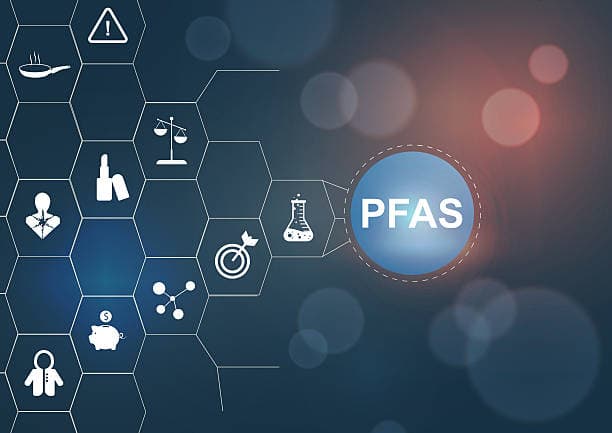
State labelling laws on PFAS are reshaping export paperwork and shipping labels. This guide explains Connecticut’s mandatory PFAS disclosure and Minnesota’s PRISM reporting, and how they impact chemical logistics and procurement compliance.
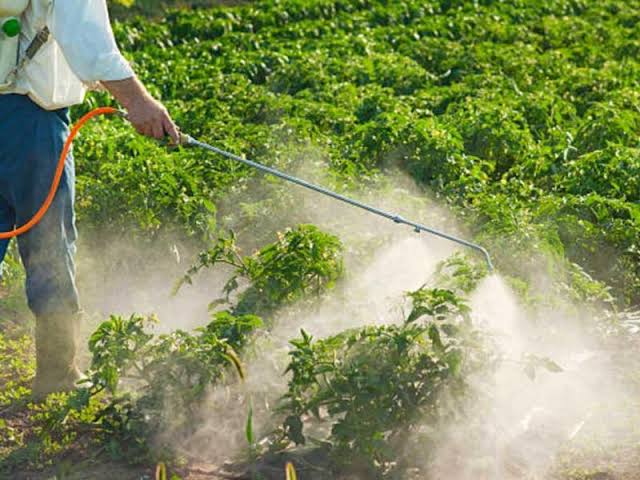
The European Union is expected to announce final anti-dumping decisions on selected crop protection chemicals in July 2026. The outcome could significantly influence agrochemical sourcing, pricing, and supplier strategies across Europe.

ECHA's upcoming SVHC candidate list update could introduce new compliance obligations for pharmaceutical excipient supply chains. Procurement and regulatory teams should prepare monitoring procedures to identify affected substances as soon as new candidate entries are published.

Brent crude has returned to pre-war levels, creating a new opportunity for food ingredient buyers to reduce landed costs. July freight adjustments give procurement teams a timely chance to renegotiate contracts across major sourcing regions including China, Southeast Asia and India.

Chemical buyers face a tight deadline to secure Q2 2026 Scope 3 data from suppliers. This article explains why timely collection is essential for accurate CSRD reporting and offers a step‑by‑step approach to meet the July 31 cutoff. Failure to act risks compliance gaps and reputational harm.
We're committed to your privacy. Tradeasia uses the information you provide to us to contact you about our relevant content, products, and services. For more information, check out our privacy policy.