Related Insights

Japan's Agrochemical Pivot Toward India: Following the Solar Materials Playbook
As Japanese chemical makers redirect investment from China to India across sectors like solar materials, agrochemical suppliers are watching whether a similar shift plays out in crop protection. For procurement teams managing fungicide, herbicide and insecticide portfolios, understanding whether this geographic pivot extends to agricultural chemicals matters for supply chain planning and sourcing strategy.
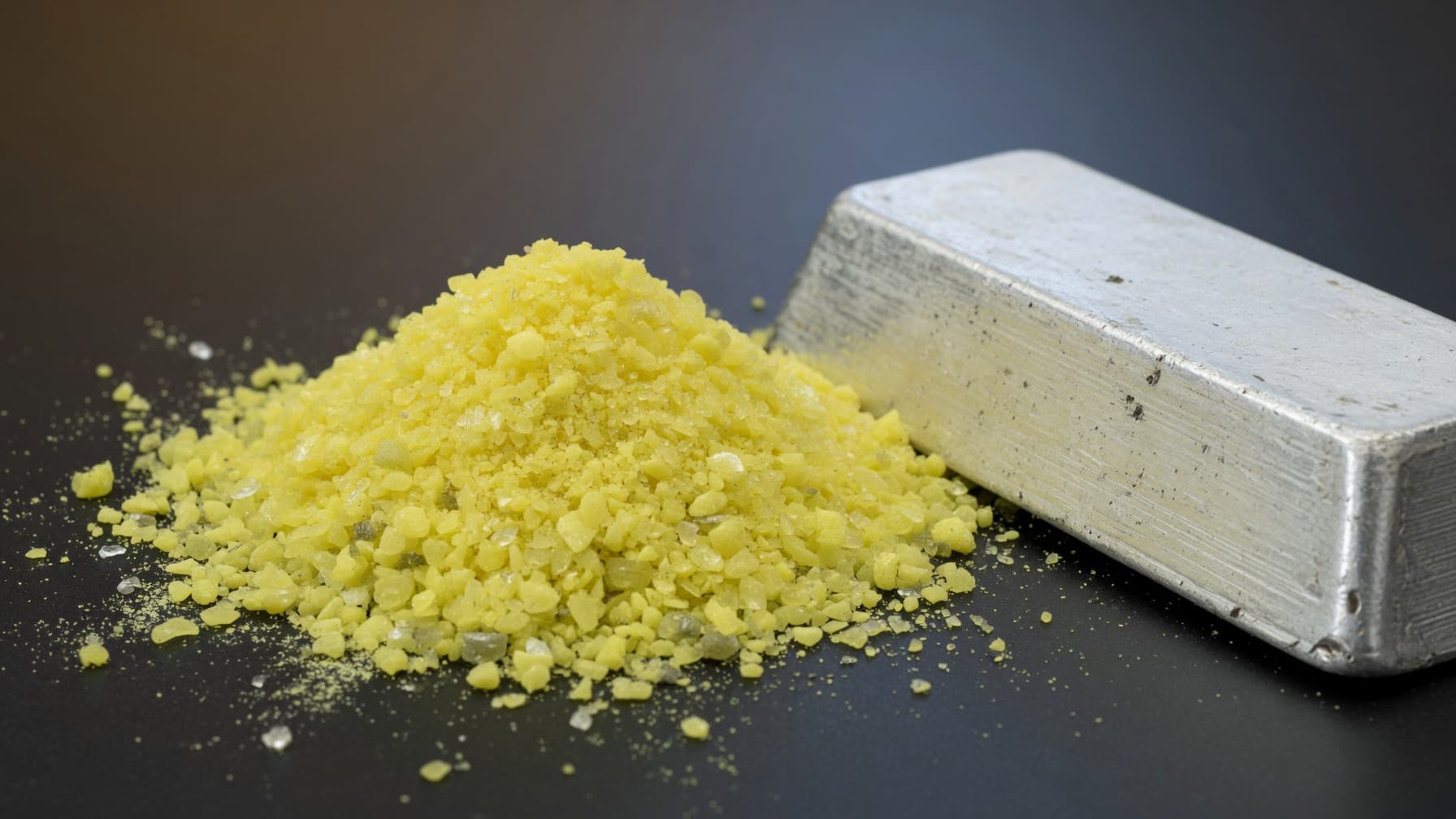
Sulfur and Aluminum Supply at Risk: What the Hormuz Crisis Means for Chemical Procurement
The Strait of Hormuz disruption extends beyond oil markets, affecting sulfur, aluminum, methanol and graphite that support global chemical manufacturing. Procurement teams should reassess sourcing strategies as industrial raw material risks continue to evolve.

War Risk Insurance: Convoy Coverage Update and the P&I Club Reassessment Window
The introduction of escorted convoy operations is reshaping the marine insurance landscape. As P&I clubs begin their quarterly underwriting reviews, chemical shippers are watching closely for potential changes to Hormuz war risk coverage and premium structures.

Trade Policy H1 2026 Closing Review: India, EU and US Regulatory Shifts Reshape Chemical Markets
H1 2026 closes with simultaneous trade policy changes across India, the EU and the US. Chemical procurement teams face overlapping tariff, anti-dumping and regulatory fee developments that require structured multi-jurisdiction tracking.

War Risk Insurance for Hormuz Transits: Why Premiums Remain High Despite Supply Recovery in H1 2026
War risk insurance has become one of the biggest cost drivers for Gulf chemical shipments in H1 2026. This review explains why premiums remain elevated even as physical exports recover and what procurement teams should expect during H2 2026.

China Chemical Watch: Gulf Competition Returns — Beijing's Industry Policy Response
China became the world's swing supplier during the Hormuz crisis, filling global supply gaps across commodity and specialty chemicals. As Gulf exports recover in H2 2026, Beijing is strengthening domestic chemical manufacturing while international buyers shift toward balanced multi-origin sourcing strategies.
Don't miss out on our updates! Subscribe to our newsletter now
We're committed to your privacy. Tradeasia uses the information you provide to us to contact you about our relevant content, products, and services. For more information, check out our privacy policy.