Related Insights
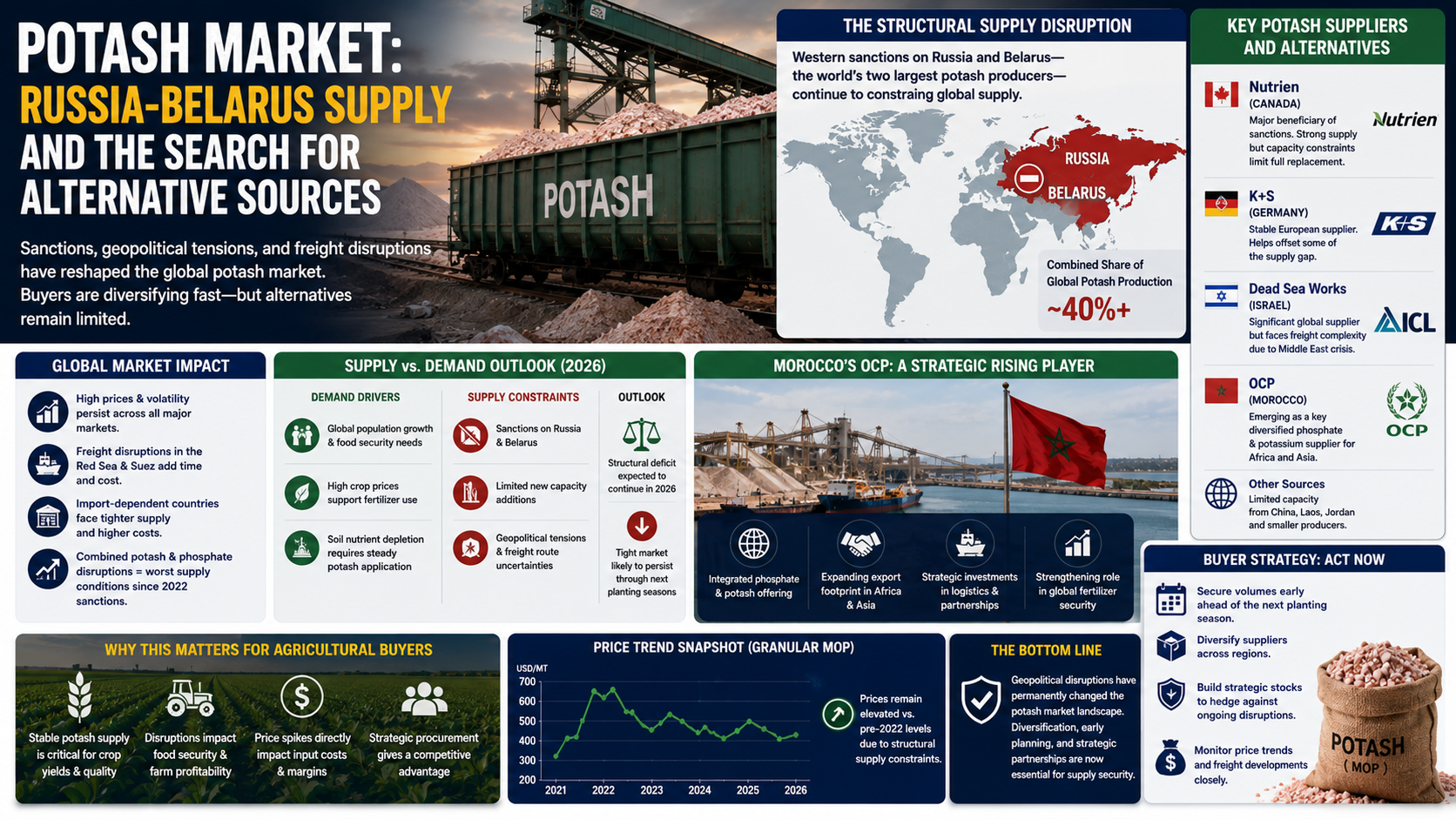
DAP Prices Signal Tight Phosphate Trade
The recent persistence of DAP price strength underscores a tightening phosphate supply chain, heightened global fertilizer demand, and growing procurement risks for agriculture stakeholders. As phosphate trade remains constrained, buyers must reassess sourcing strategies amid volatile market conditions.

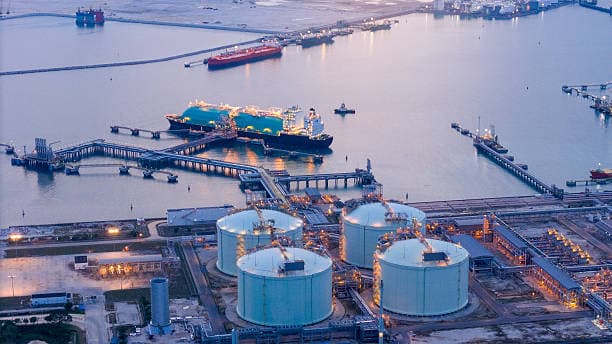
Helium and Fertilizer Caught in the Crossfire: Supply Chain Risks Beyond Energy Markets
Geopolitical tensions are disrupting more than oil and gas markets. Helium and fertilizer supply chains are also under pressure, making procurement planning increasingly important for manufacturers, distributors and agricultural suppliers.

Ras Laffan Attack Damage and the 3 to 5 Year Impact on Pharmaceutical Helium Supply
Damage at Qatar's Ras Laffan Industrial City could reshape the pharmaceutical helium market for years. Procurement teams should prepare for tighter supply, higher sourcing risks and changing global trade patterns.
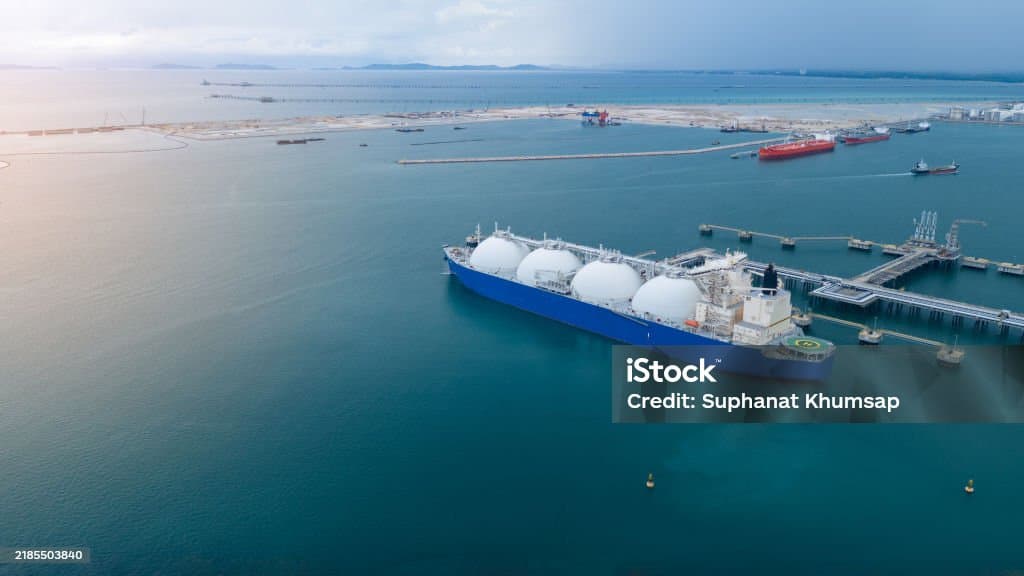
MSG Mid‑Year Supply Reset: How Fufeng and Meihua’s H2 2026 Pricing Could Shape Global Procurement
MSG pricing is set for a pivotal shift as Chinese producers Fufeng Group and Meihua Holdings release their H2 2026 contracts. With stable corn costs and easing freight rates, the new price points could redefine global food ingredient procurement. This article explores the strategic moves of these key players and the competitive implications for buyers worldwide.
China Chemical Watch: H1 2026 Closing Review, The World's Swing Supplier and What Buyers Should Expect in H2
China's chemical industry ended H1 2026 as the world's primary swing supplier, filling supply gaps created by disruptions in Gulf exports. As Middle Eastern production steadily returns, procurement teams must determine which Chinese export advantages remain permanent and which were driven by exceptional market conditions.
Caustic Soda: India's Domestic Producers Reassess Q3 as Gulf Competition Returns
The caustic soda market in Asia may be entering a new phase as Gulf producers gradually regain export access following developments at Bürgenstock. Indian suppliers that benefited from reduced regional competition during the Hormuz disruption now face potential pricing pressure, while buyers across Southeast Asia gain new sourcing opportunities heading into Q3 2026.
Don't miss out on our updates! Subscribe to our newsletter now
We're committed to your privacy. Tradeasia uses the information you provide to us to contact you about our relevant content, products, and services. For more information, check out our privacy policy.