Mono Propylene Glycol (E1520) CAS: 57-55-6
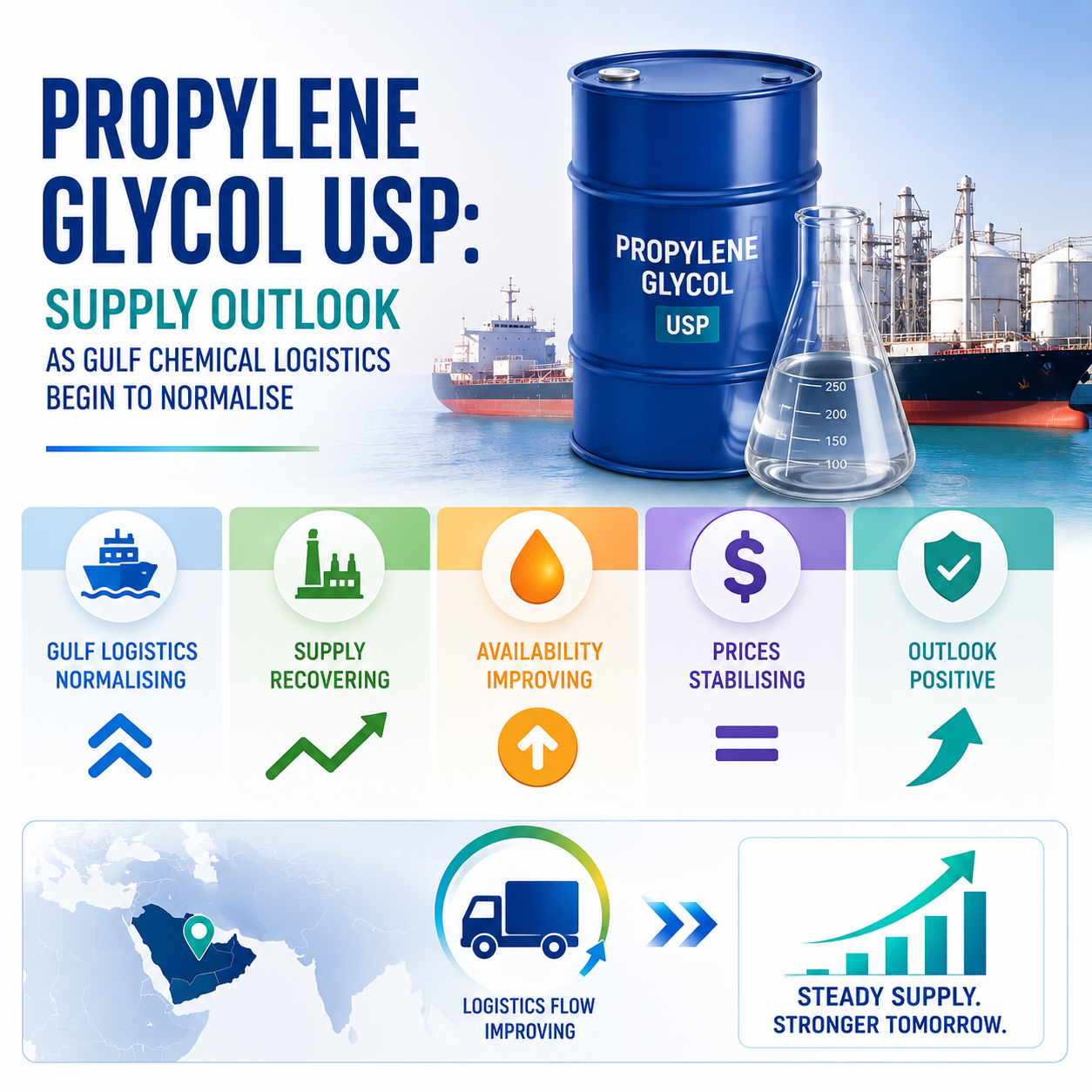
Mono Propylene Glycol (E1520) CAS: 57-55-6
Recent geopolitical developments have renewed attention on PCS Singapore's force majeure position and its implications for regional petrochemical supply. Buyers of polyethylene, polypropylene and ethylene derivatives should reassess supplier communication and supply chain contingency plans.
After the Hormuz shutdown, chemical buyers face a mix of temporary price spikes and lasting market shifts. This article applies the Kiel Institute framework to isolate recoverable costs from permanent baseline changes, providing a roadmap for data‑driven contract renegotiations. Implementing these insights helps teams win back margins as conditions normalize.
Damage at Qatar's Ras Laffan Industrial City could reshape the pharmaceutical helium market for years. Procurement teams should prepare for tighter supply, higher sourcing risks and changing global trade patterns.
July 2026 presents a rare procurement opportunity for sorbitol buyers as stable Chinese feedstock costs, Thailand’s seasonal production gap, and easing freight rates combine to create one of the most attractive contracting windows of H2. Buyers with second-half demand requirements should act before supplier
As Gulf supply chains begin physically recovering (34 Kpler crossings June 30), the commercial and legal process of formally closing

Pharmaceutical-grade glycerin enters H2 2026 at the intersection of supply chain recovery and evolving sustainability regulations. Pharmaceutical buyers must balance USP/EP quality requirements with EUDR compliance while diversifying sourcing strategies.
We're committed to your privacy. Tradeasia uses the information you provide to us to contact you about our relevant content, products, and services. For more information, check out our privacy policy.