
Potassium Sorbate Food Grade (E202) CAS: 24634-61-5

Potassium Sorbate Food Grade (E202) CAS: 24634-61-5
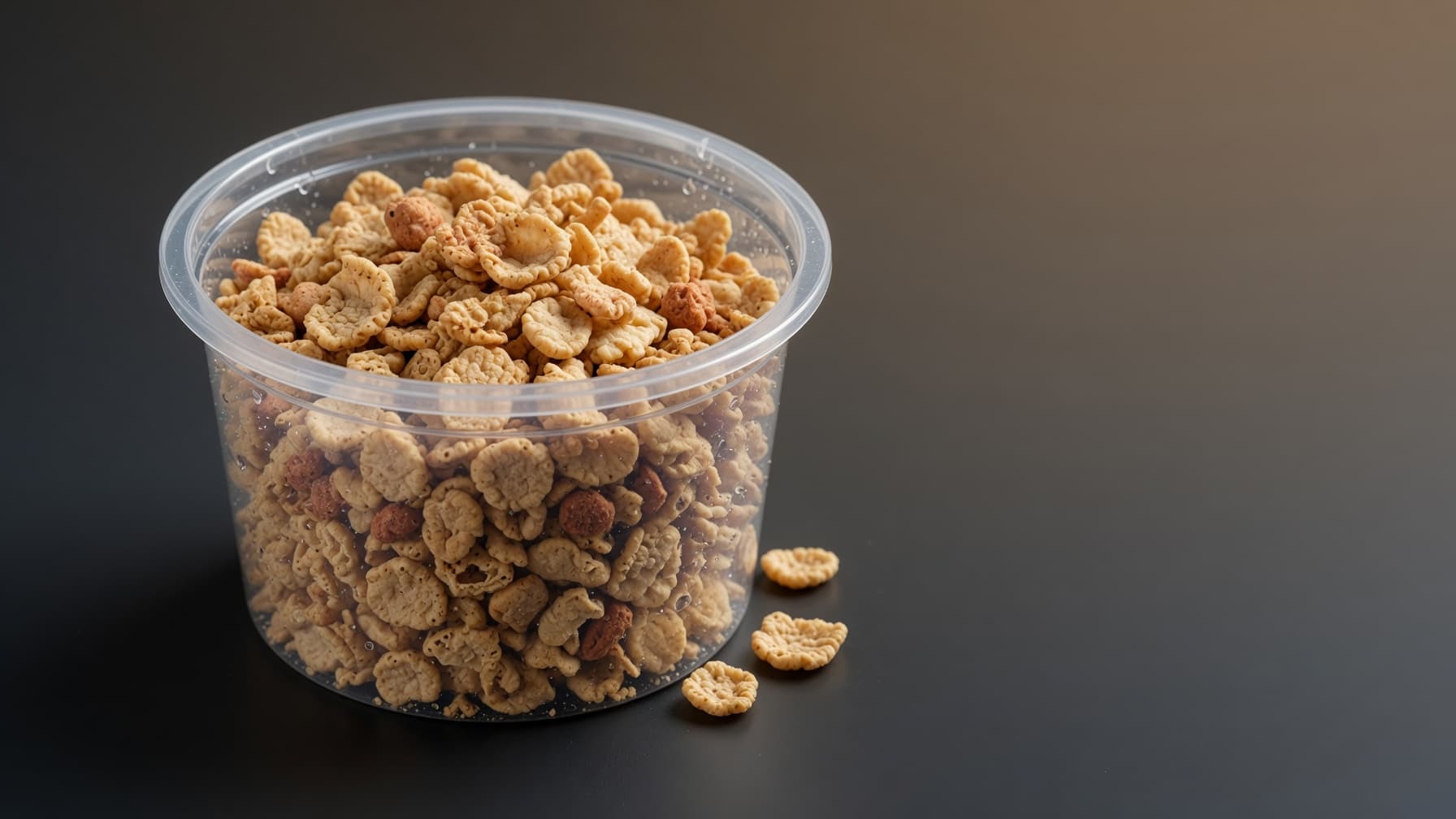
As demand for textured soy protein and other plant-based ingredients grows, traceability has become a key requirement for regulatory compliance and supply chain confidence. Procurement teams should strengthen ingredient transparency to protect product quality and market access.

The recent Solstice acquisition of Element Solutions brings sweeping changes to chemical shipping documentation, emergency response protocols,hra regulatory compliance, and procurement processes. This article breaks down the implications for logistics professionals, supply‑chain managers, and legal teams navigating the ownership transition.
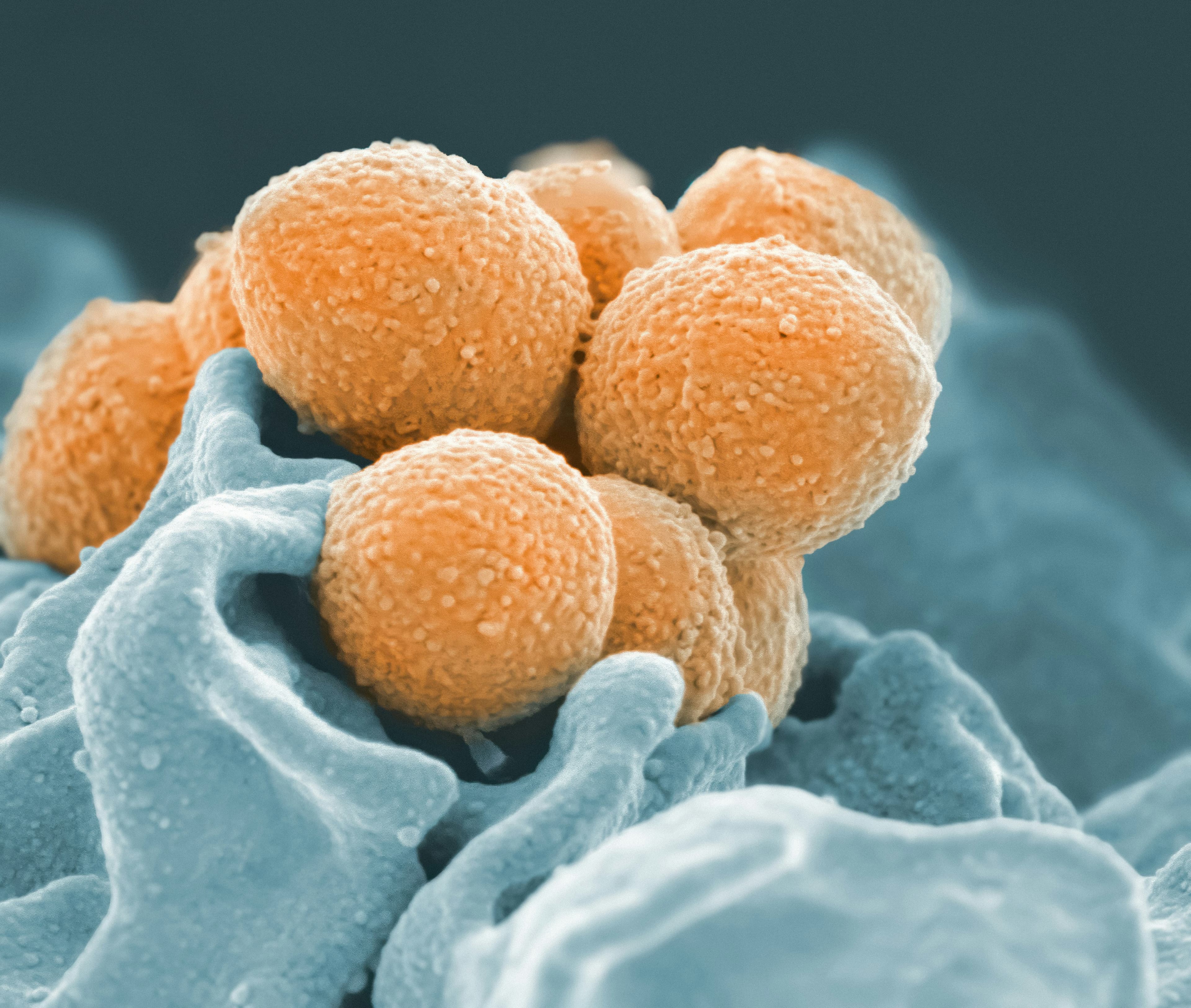
The biologics supply chain remained resilient through H1 2026 despite higher logistics costs. As heparin production stays concentrated and biologics demand grows, procurement teams should focus on diversification, quality assurance, and long-term supplier partnerships.
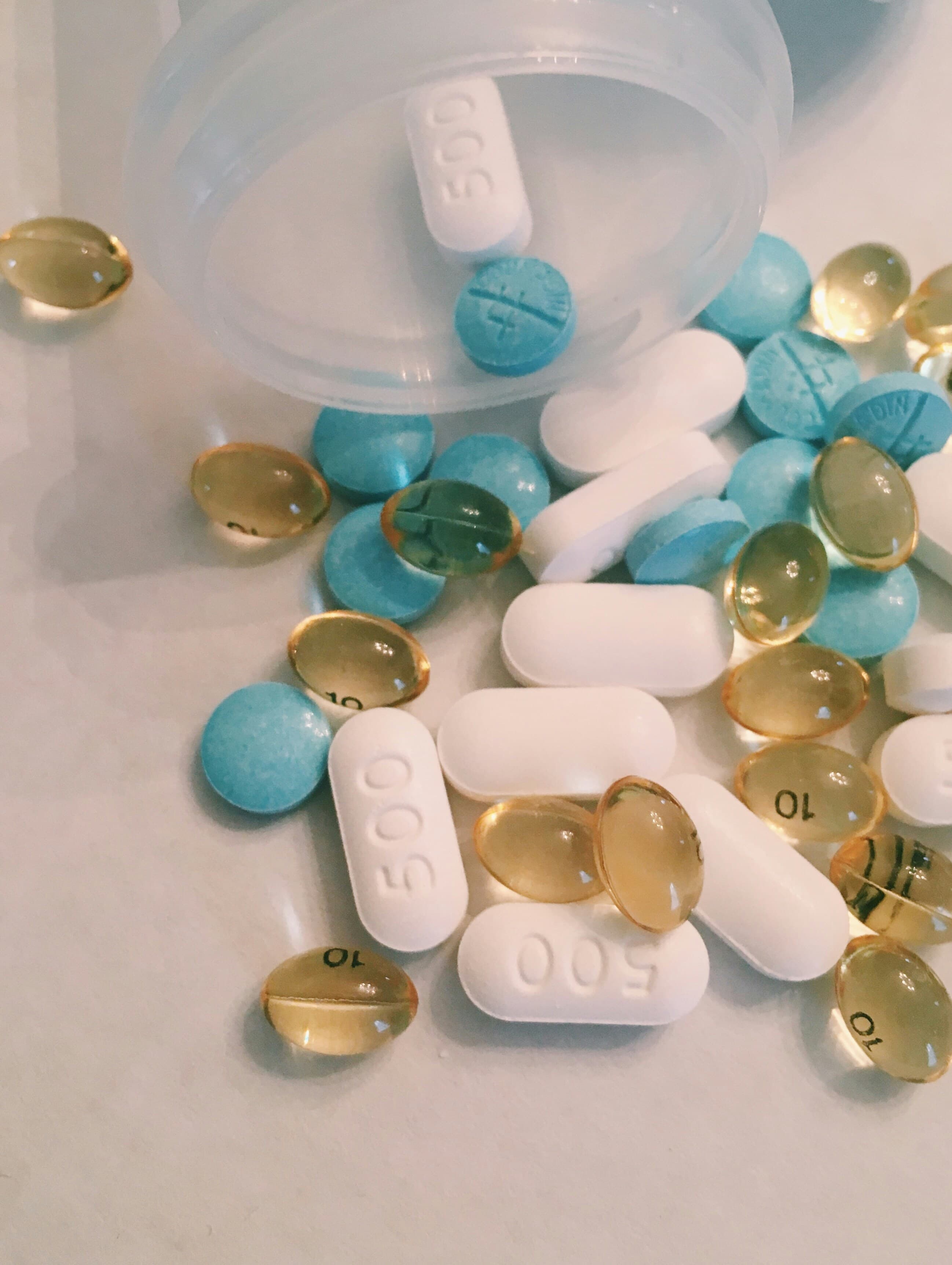
The first half of 2026 exposed major vulnerabilities in pharmaceutical supply chains. API concentration, shipping disruptions, and logistics risks are reshaping procurement strategies for H2 2026 and beyond.

Falling Brent crude prices are creating the first meaningful freight cost correction opportunity since the 2026 shipping crisis began. Chemical buyers should use the July 1 bunker surcharge reset to renegotiate freight contracts and push back against outdated crisis-era shipping costs.
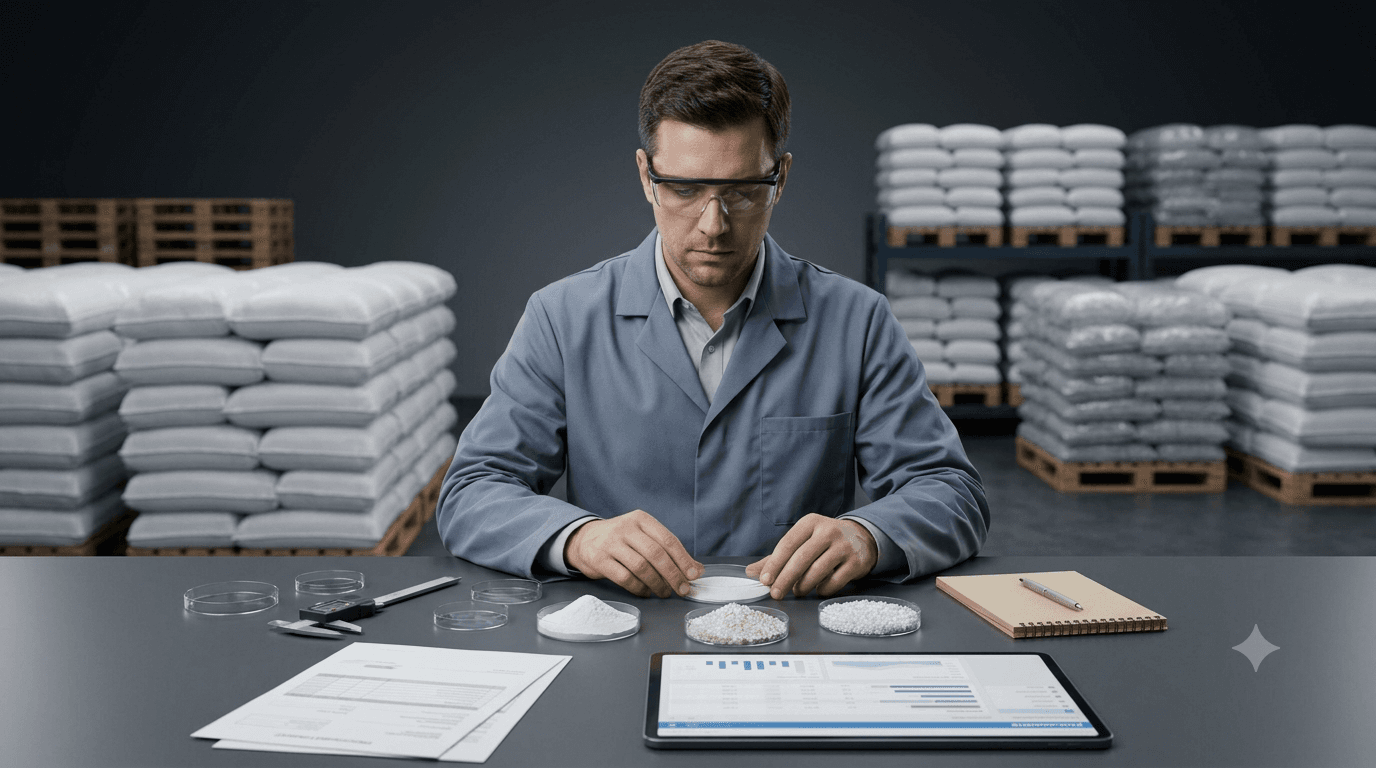
Planning food ingredient procurement for H2 2026 unlocks key sourcing advantages while mitigating risks. By mapping opportunities for citric acid, sucralose, maltodextrin, dextrose, guar gum, and corn starch, buyers can make smarter, data‑driven purchasing decisions.
We're committed to your privacy. Tradeasia uses the information you provide to us to contact you about our relevant content, products, and services. For more information, check out our privacy policy.