
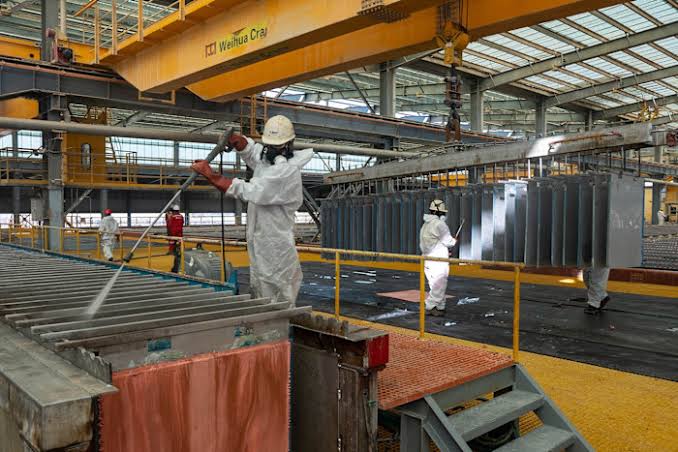
Ferrous Sulfate Monohydrate CAS: 13463-43-9
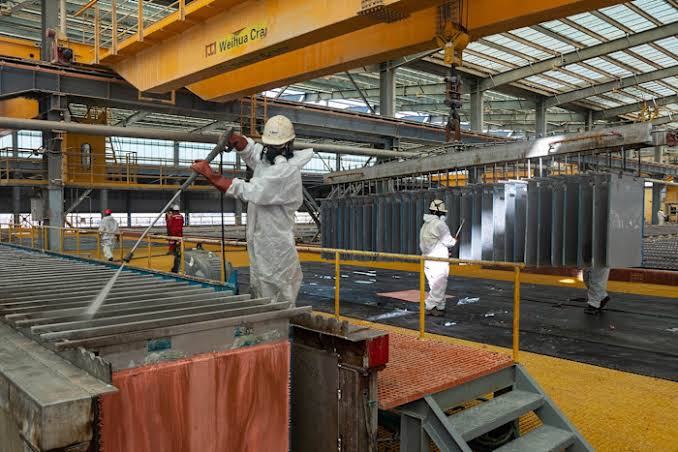
Ferrous Sulfate Monohydrate CAS: 13463-43-9
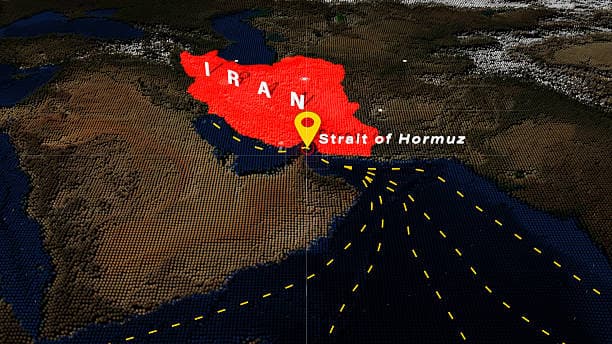
Vessel traffic through the Strait of Hormuz has fallen to single digits, a stark return to the lows seen in 2020. This sharp decline threatens chemical exports, fertilizer logistics, and global shipping schedules. Supply chains must adapt to the new reality of limited tanker movements and heightened uncertainty.
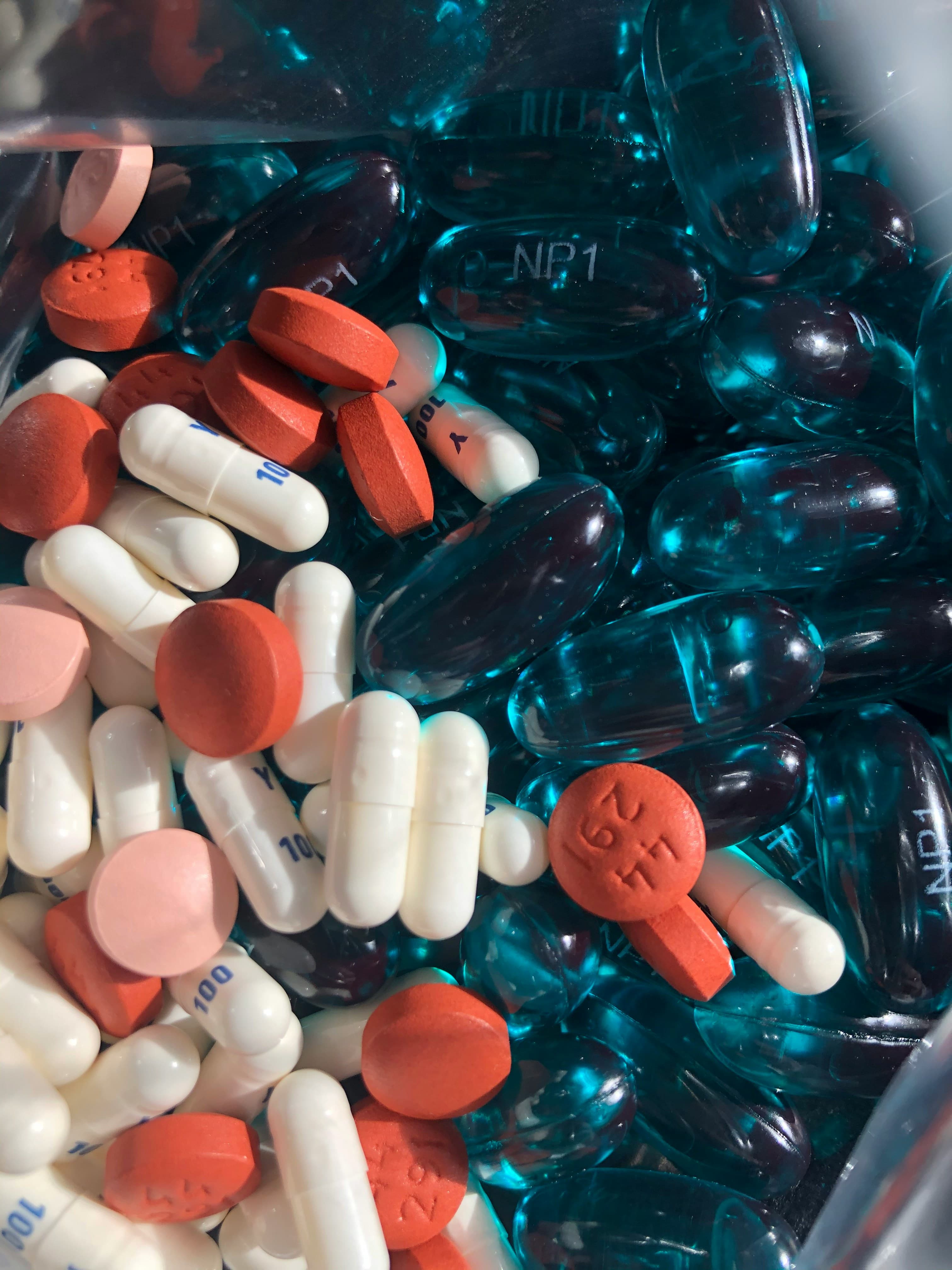
Chinese amino acid producers (L-lysine, L-threonine, taurine, L-methionine, choline chloride) serve global nutraceutical

Conflicting statements about Iran negotiations create uncertainty for global chemical procurement teams. The latest Strait of Hormuz supply signals show why buyers should rely on verified logistics data instead of political headlines.
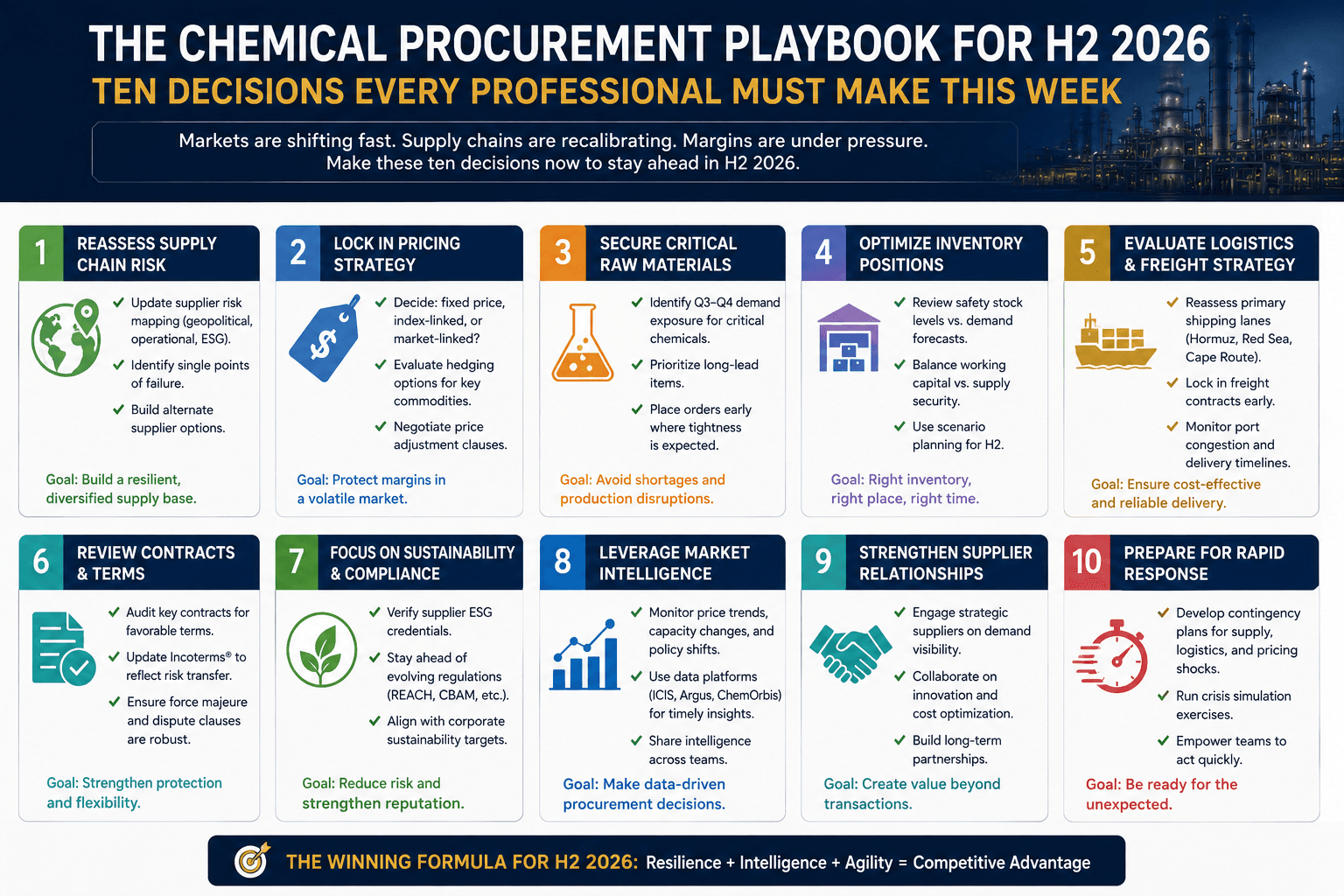
H2 2026 begins with a critical decision window for chemical procurement professionals. From India duty deadlines and Gulf supply recovery to freight renegotiation, fertilizer contracts, and regulatory compliance, these ten strategic decisions could define procurement performance for the rest of the year.

The latest UN food security assessment shows improving fertilizer supply but persistent risks for import‑dependent agricultural economies. While global fertilizer availability has steadied, price volatility and supply chain disruptions continue to threaten food security in vulnerable regions.

The UN warns 9.1 million more people in Asia could face acute food insecurity if fertilizer supply disruptions continue through July. For agricultural procurement teams, ammonia and urea supply recovery is now an operational priority with direct consequences for global crop production.
We're committed to your privacy. Tradeasia uses the information you provide to us to contact you about our relevant content, products, and services. For more information, check out our privacy policy.