

Introduction to the Global Chemical Export Market
In 2026, the chemical export sector reflects a complex interplay of production capacity, strategic geography, and geopolitical events. The top exporters—China, Germany, the United States, Saudi Arabia, and India—each bring unique strengths that influence global trade flows. Understanding these dynamics is essential for stakeholders navigating the evolving market.
China: The Dominant Exporter
China now accounts for **46%** of global chemical sales, a share that spans commodity chemicals, polymers, and specialty segments. Its advantage stems from large-scale production, cost-efficient logistics, and a robust domestic market that absorbs excess capacity. Chinese exporters have also leveraged strategic trade corridors, such as the Belt‑and‑Road Initiative, to reach Southeast Asia, Africa, and Latin America.
- Commodity dominance: PVC, polyethylene, solvents.
- Specialty chemicals: fine chemicals, agrochemicals.
- Export hubs: Shanghai, Guangzhou, and the rapidly expanding Jurong Island in Singapore.
Germany: Specialty and Performance Leader
Germany remains the second‑largest exporter, though its share has declined slightly. The country’s strength lies in **specialty, performance, and engineering chemicals** produced by giants like BASF, Bayer, Evonik, and Covestro. German exports are highly differentiated, commanding premium prices and driving innovation in sectors such as automotive, construction, and electronics.
Key drivers include:
- High value‑added product mix.
- Strong research & development pipeline.
- Strategic location within the EU, facilitating re‑exports to neighboring markets.
United States: Shale Advantage and Diversification
The US benefits from low-cost shale gas, which underpins the production of methanol, ethylene, and fertilizers. These commodities are now gaining traction in Asian markets as alternative suppliers emerge post‑Hormuz crisis. Additionally, the US is a major importer of specialty chemicals and active pharmaceutical intermediates, creating a circular trade environment.
US export strengths:
- Methanol and ethylene derivatives.
- Fertilizers (urea, DAP).
- Bio‑based chemicals and green chemistry solutions.
Saudi Arabia: Petrochemical Powerhouse Facing Diversification
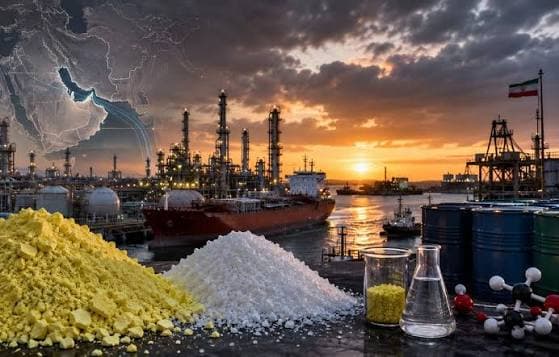
Saudi Arabia, led by SABIC, has historically supplied almost half of global urea and significant shares of methanol, ethylene, and polyethylene. The 2026 Hormuz disruption exposed a critical dependence on the Strait of Hormuz. In response, Saudi producers are investing in Red Sea terminals and pipeline alternatives to reduce vulnerability.
India: Fastest‑Growing Exporter
India’s chemical export growth is propelled by trade deals that reduce tariffs and open new markets. With a focus on agrochemicals, dyes, and pharmaceutical intermediates, India has already moved **USD 6 billion** of exports to the US alone. Future growth is expected as India taps into Southeast Asian and Latin American demand.
India’s competitive edge:
- Cost‑effective manufacturing base.
- Expanding domestic R&D in specialty chemicals.
- Strategic free‑trade agreements with the US, EU, UK, and ASEAN.
Emerging Players: South Korea, Singapore, and Beyond
South Korea’s polymer and petrochemical exports are gaining traction, especially in high‑value plastics. Singapore remains a re‑export hub, leveraging its Jurong Island complex to distribute specialty chemicals globally. Japan continues to export fine and specialty chemicals, while the Netherlands serves as a logistics hub for European re‑exports.
Impact of Geopolitical Shifts on Trade Flows
The 2026 Hormuz crisis forced a rapid re‑routing of Middle Eastern chemicals. China’s coal‑based methanol producers stepped up to fill the gap, while US shale‑derived ethylene derivatives gained market share in Asia. African buyers faced shortages of Gulf‑sourced fertilizers, prompting diversification toward China and the US.
These shifts illustrate two key points:
- Buyers with alternative supply chains recover quickly.
- Single‑source dependencies increase risk of stock‑outs during disruptions.
The Strategic Role of Maritime Chokepoints
While the Strait of Hormuz was the immediate bottleneck, the Strait of Malacca remains the world’s busiest shipping lane for chemical tankers. Singapore’s position at Malacca’s mouth makes it the most strategically located chemical trading hub. Congestion during rerouting can inflate shipping costs and delay deliveries.
Future Outlook and Opportunities
Trade agreements are reshaping the chemical export landscape. The India‑US FTA, India‑EU FTA, and ASEAN FTA are slashing tariffs, making Indian and Southeast Asian exporters more competitive. The EU’s Carbon Border Adjustment Mechanism (CBAM) will tax carbon‑embedded chemicals, favoring low‑emission producers.
Opportunities for exporters include:
- Investing in green chemistry and low‑carbon processes.
- Establishing strategic partnerships in emerging markets such as Africa and Latin America.
- Leveraging digital platforms for supply chain transparency and risk mitigation.
Conclusion
The top chemical exporting countries are redefining global trade flows through innovation, strategic logistics, and adaptive policies. Stakeholders who understand these dynamics—and who can navigate the shifting geopolitical landscape—will be best positioned to capitalize on the growing demand for chemicals worldwide.
Caustic Soda Flakes CAS: 1310-73-2