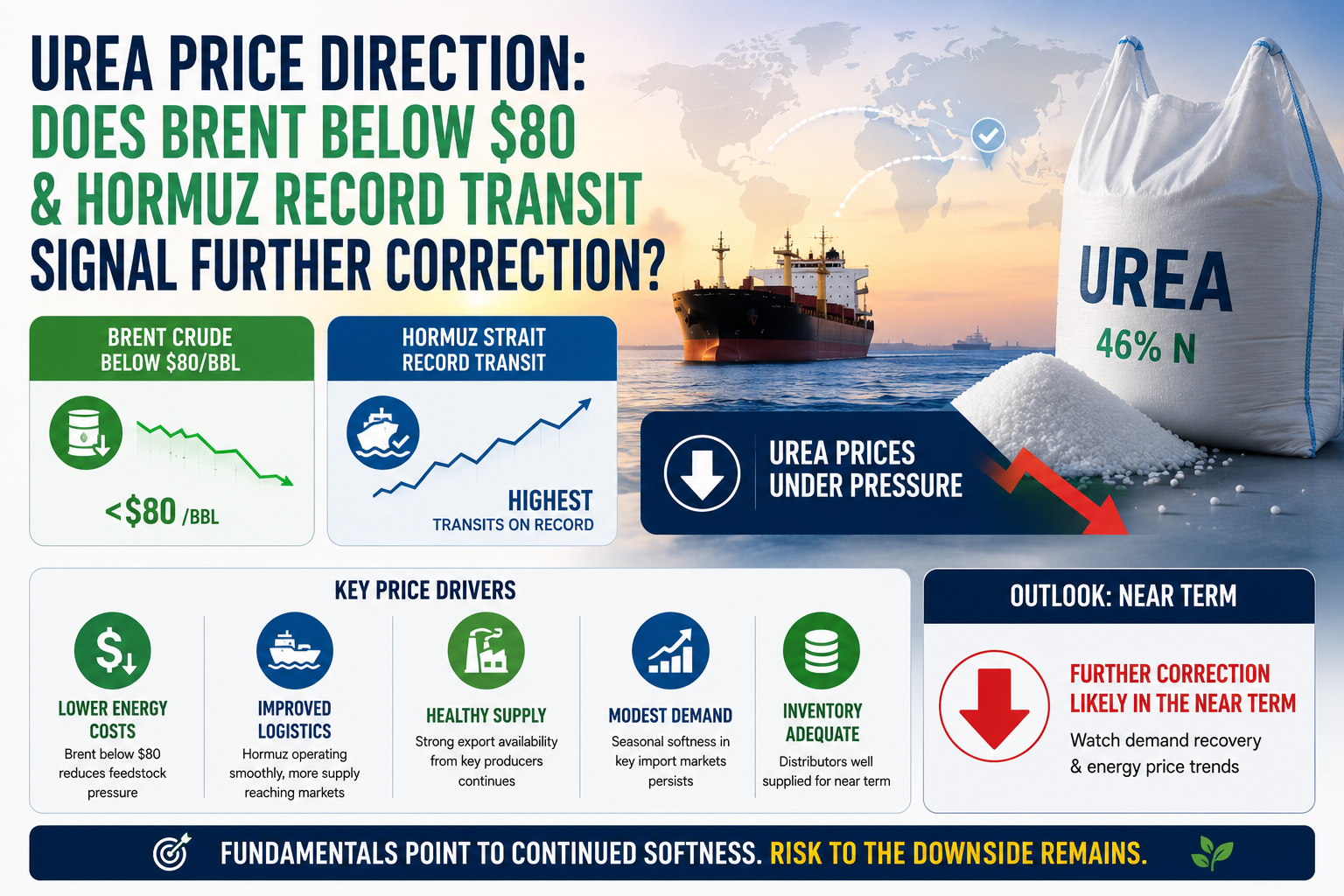
Urea (Granular) - Egypt CAS: 57-13-6
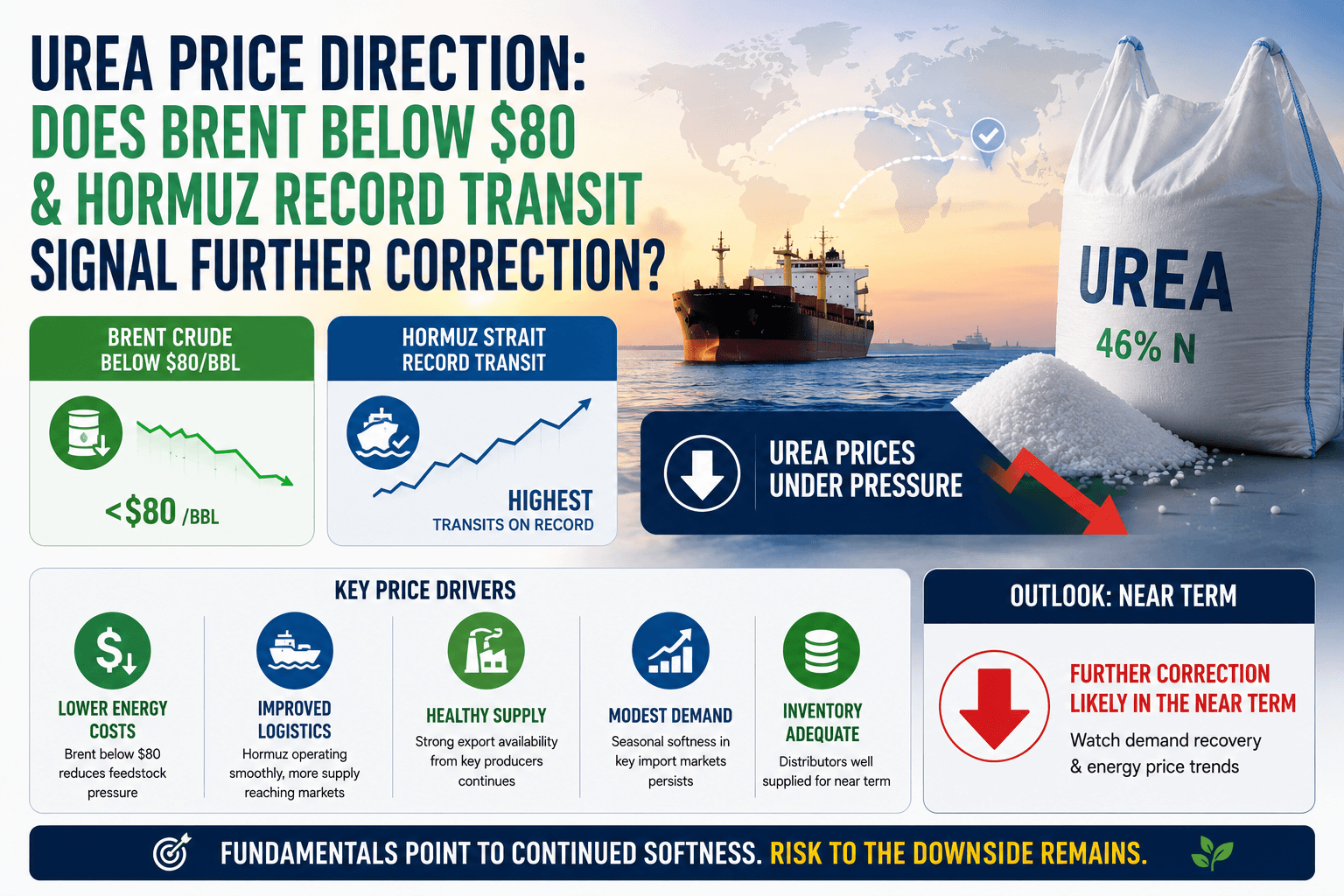
Urea (Granular) - Egypt CAS: 57-13-6
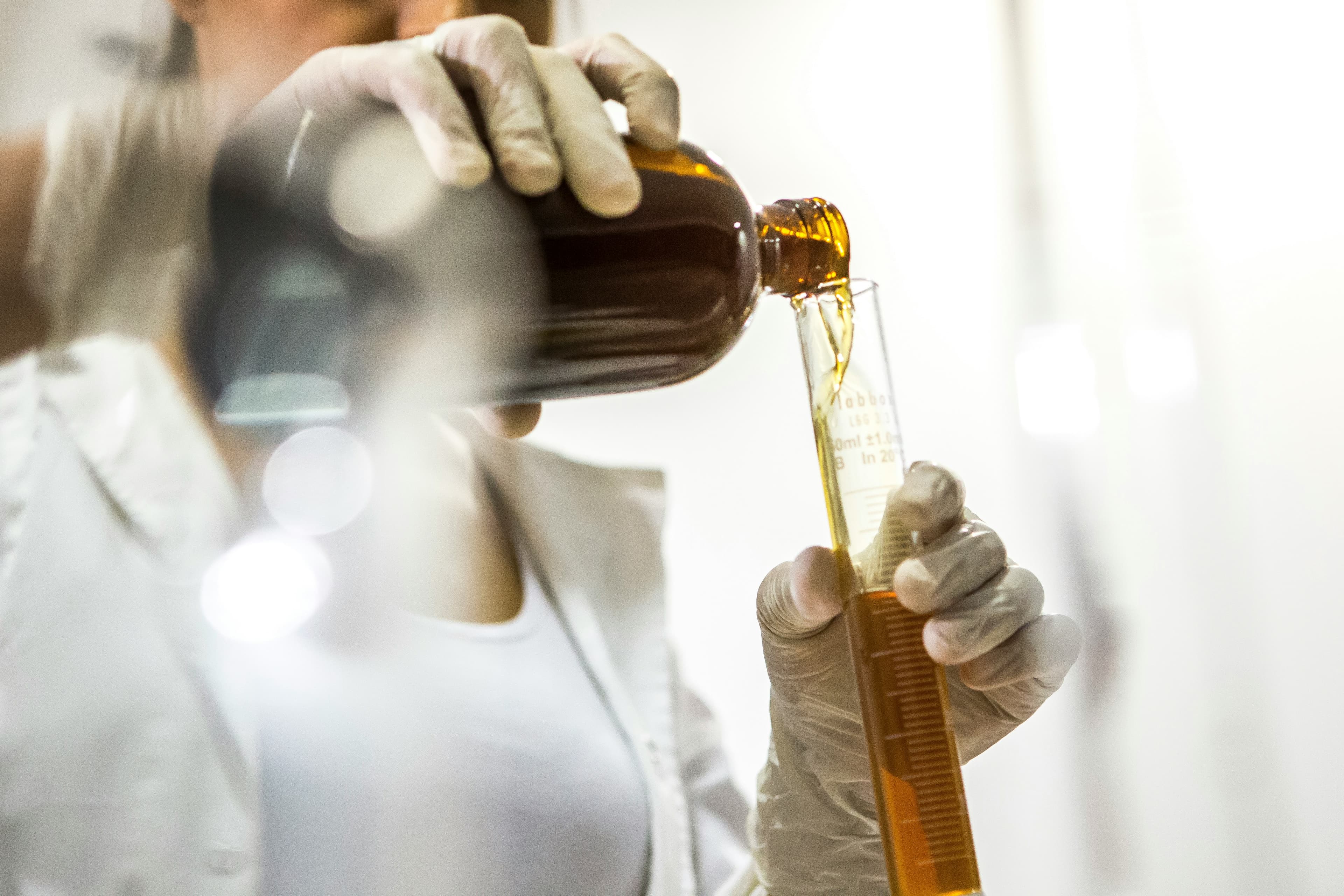
With Brent near $85 a barrel amid renewed Hormuz hostilities
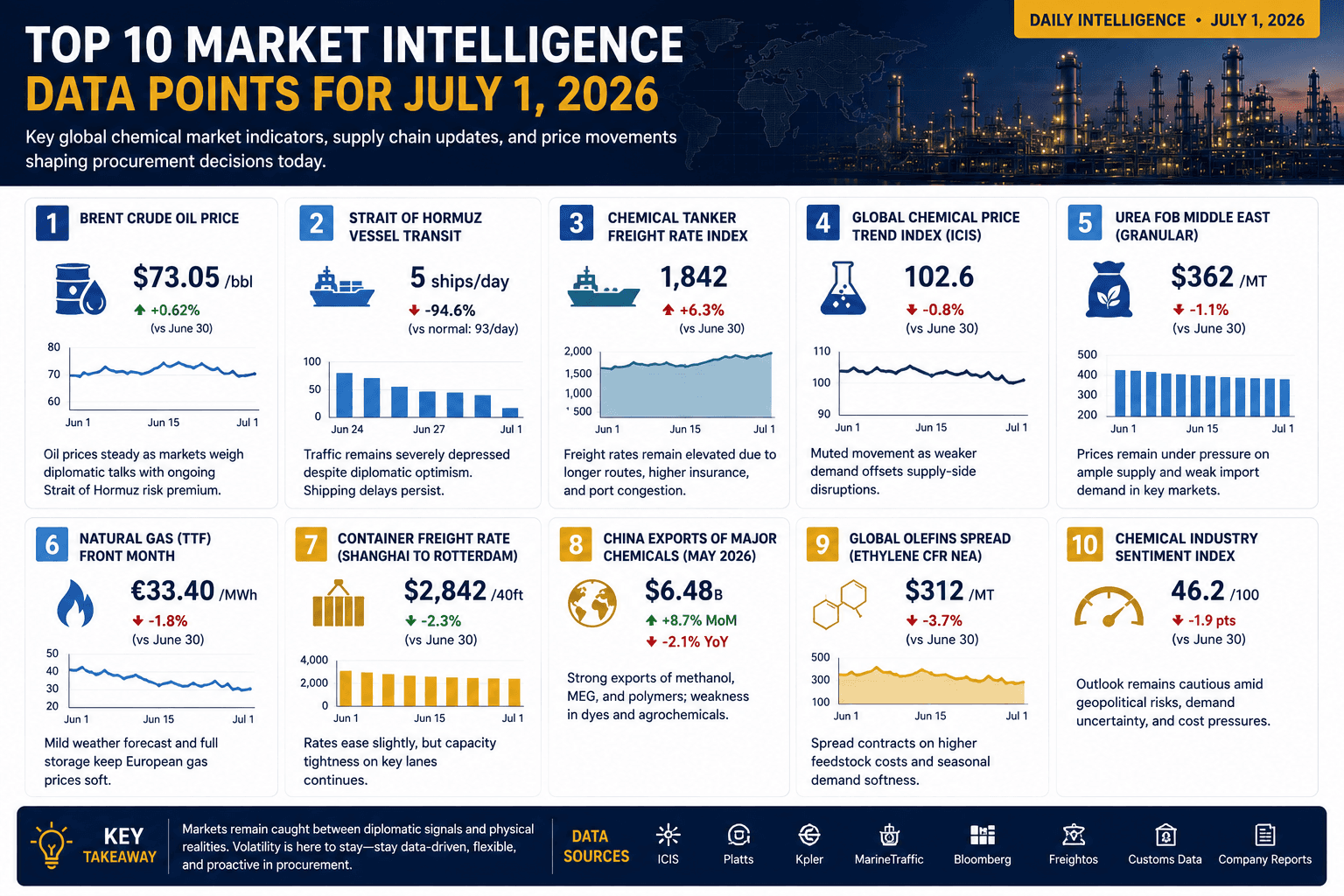
July 1 begins H2 2026 with conflicting market signals for chemical procurement professionals. While oil prices remain stable and diplomacy improves, shipping disruption, insurance risk, new regulations, and supply chain bottlenecks continue shaping one of the most complex operating environments the chemical industry has faced all year.

The first major monthly bunker adjustment factor reset of 2026 reflects Brent’s fall to $73.05, delivering a tangible freight cost cut for Cape of Good Hope routes. Chemical shippers can expect a 10‑20% drop in Cape surcharges, translating to $150‑$350 per TEU on major legs. It’s a partial relief, but a crucial lever for Q3 contract talks.
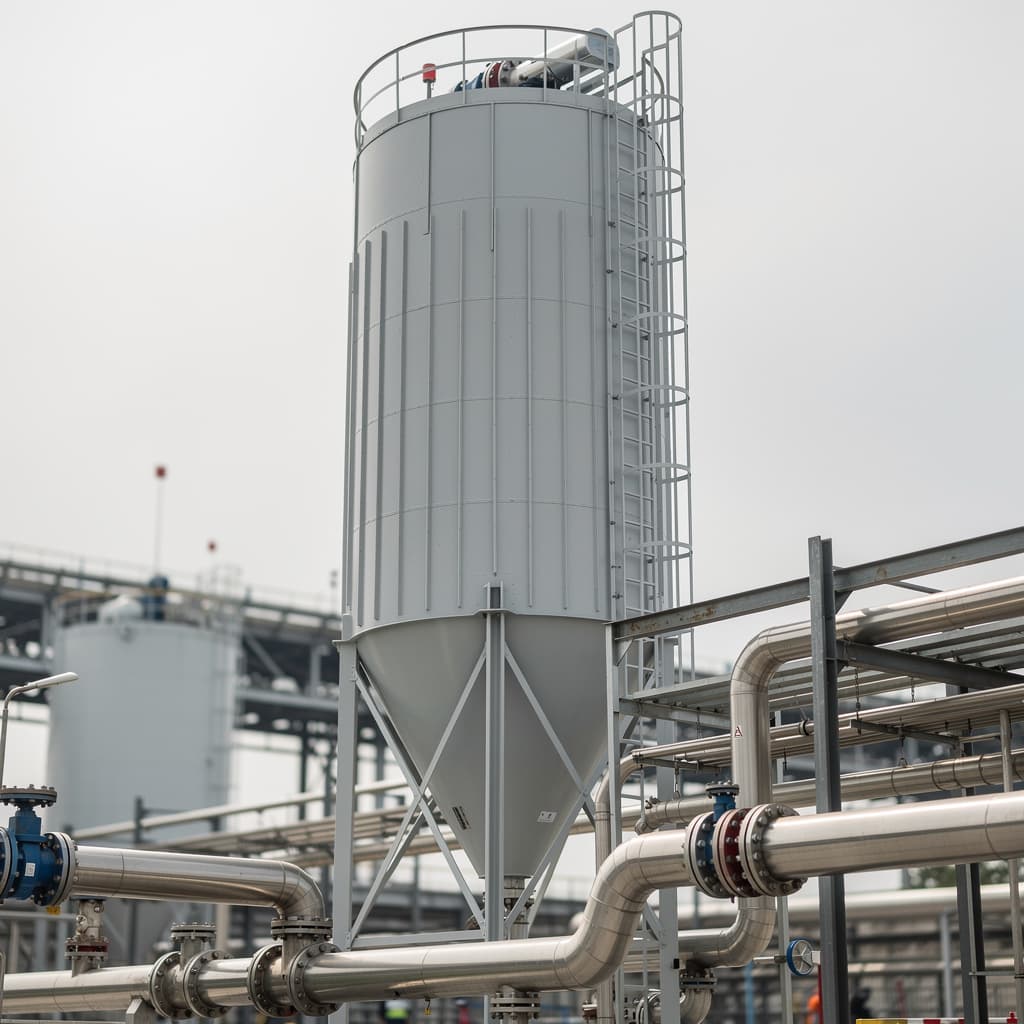
Saudi Arabia’s Ras Tanura restart is improving confidence in Gulf chemical logistics and methanol availability. This analysis explains how recovering supply, crude prices and shipping conditions could influence Q3 methanol procurement strategies.
Japan’s steam cracker operators are finalising July operating rates that will shape Q3 supply and pricing. With Brent at $72.60, a positive naphtha crack spread signals renewed demand for ethylene derivatives, polystyrene and benzene chain chemicals. Buyers should act this week to secure volumes.

The global MSG market enters a critical procurement period as major Chinese producers prepare their second half of 2026 pricing. Freight costs have eased, feedstock conditions remain favorable and buyers have a limited window to secure competitive contracts before new price schedules take effect.
We're committed to your privacy. Tradeasia uses the information you provide to us to contact you about our relevant content, products, and services. For more information, check out our privacy policy.