Related Insights

Houston Ship Channel Reopens: What It Means for Construction Chemical Supply in H2 2026
The reopening of the Houston Ship Channel restores an important logistics route for construction chemicals just as the U.S. enters its peak residential building season. Discover what this means for supply planning.
Sulfur Supply Recovery: Gulf Refinery By-Product and the 45% Global Share That Was Offline
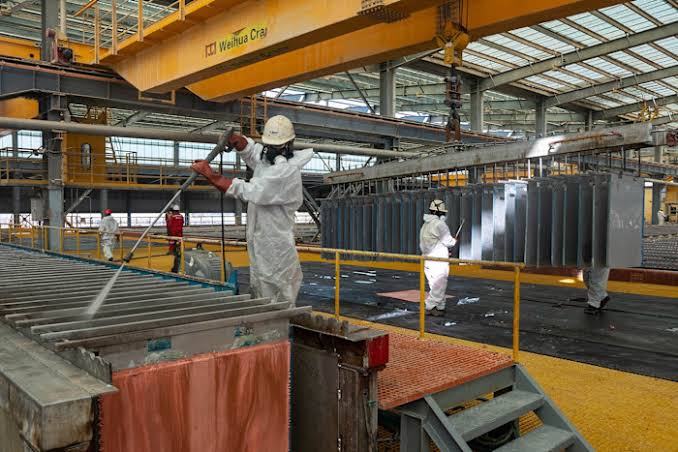
The Hormuz crisis disrupted nearly 45% of global sulfur supply as Gulf refinery by-product exports collapsed for months. With vessel movement now improving, sulfur and sulfuric acid buyers may finally see the first meaningful cost relief in August after one of 2026’s most overlooked supply chain disruptions.

AIS Data vs Headline Status: Why Strait of Hormuz "Closure" Claims Can Mislead Chemical Supply Chains
Headline reports often describe the Strait of Hormuz as closed during periods of military escalation, but AIS vessel tracking frequently tells a different story. This analysis explains why chemical traders and procurement teams should rely on verified shipping movements instead of political rhetoric when managing logistics, sourcing and freight risk.
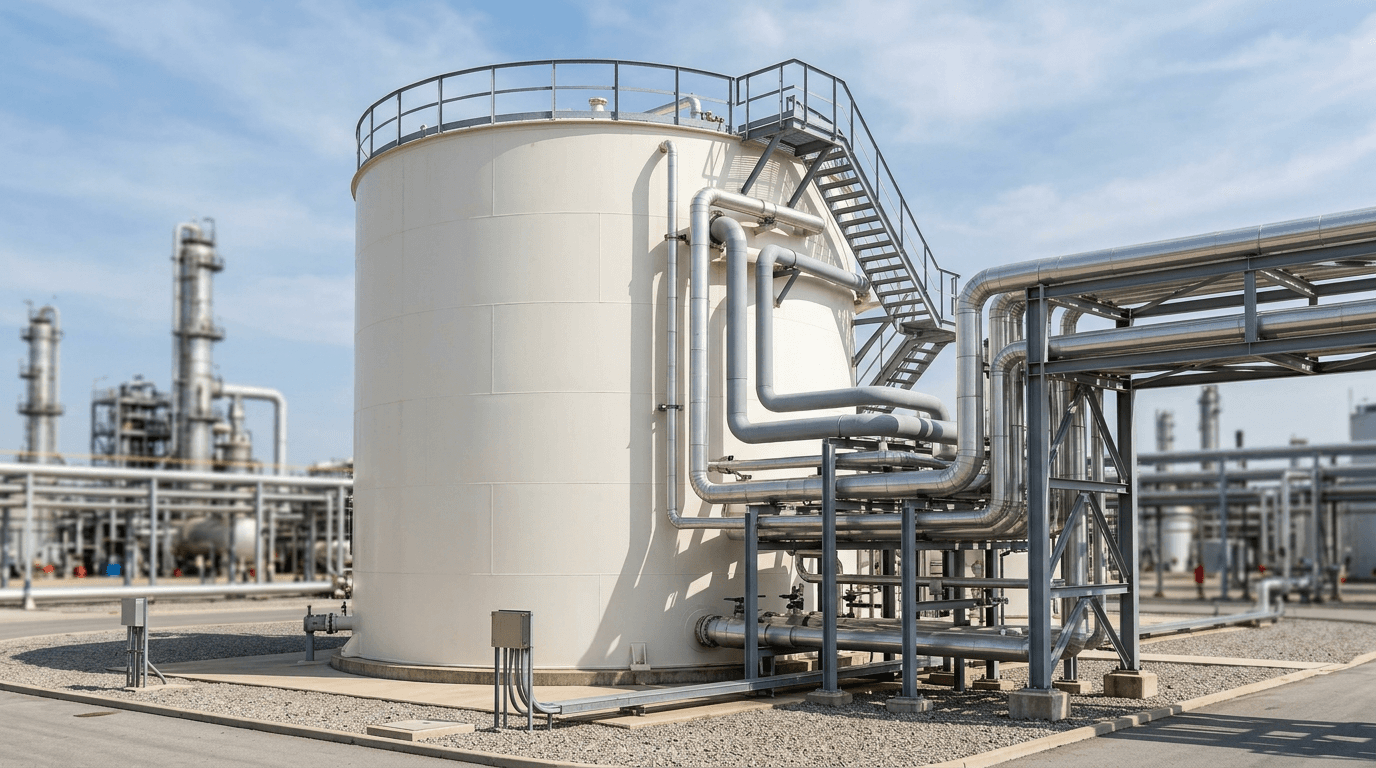
Caustic Soda Supply Recovery: Gulf Competition Returns to Asian Markets in Q3 2026
Gulf caustic soda supply is returning as Hormuz trade flows recover, creating new competition for Asian chemical suppliers. This analysis explains how buyers can prepare for changing pricing and sourcing options in Q3 2026.

Why Brent Is $72.60 Despite Active Drone Strikes: What the June 29, 2026 Oil Market Paradox Means for Chemical Buyers
Brent crude has dropped to $72.60 despite ongoing military escalation across the Gulf. This unusual market reaction signals that supply recovery currently outweighs geopolitical risk, creating important implications for petrochemical procurement and chemical pricing in the months ahead.
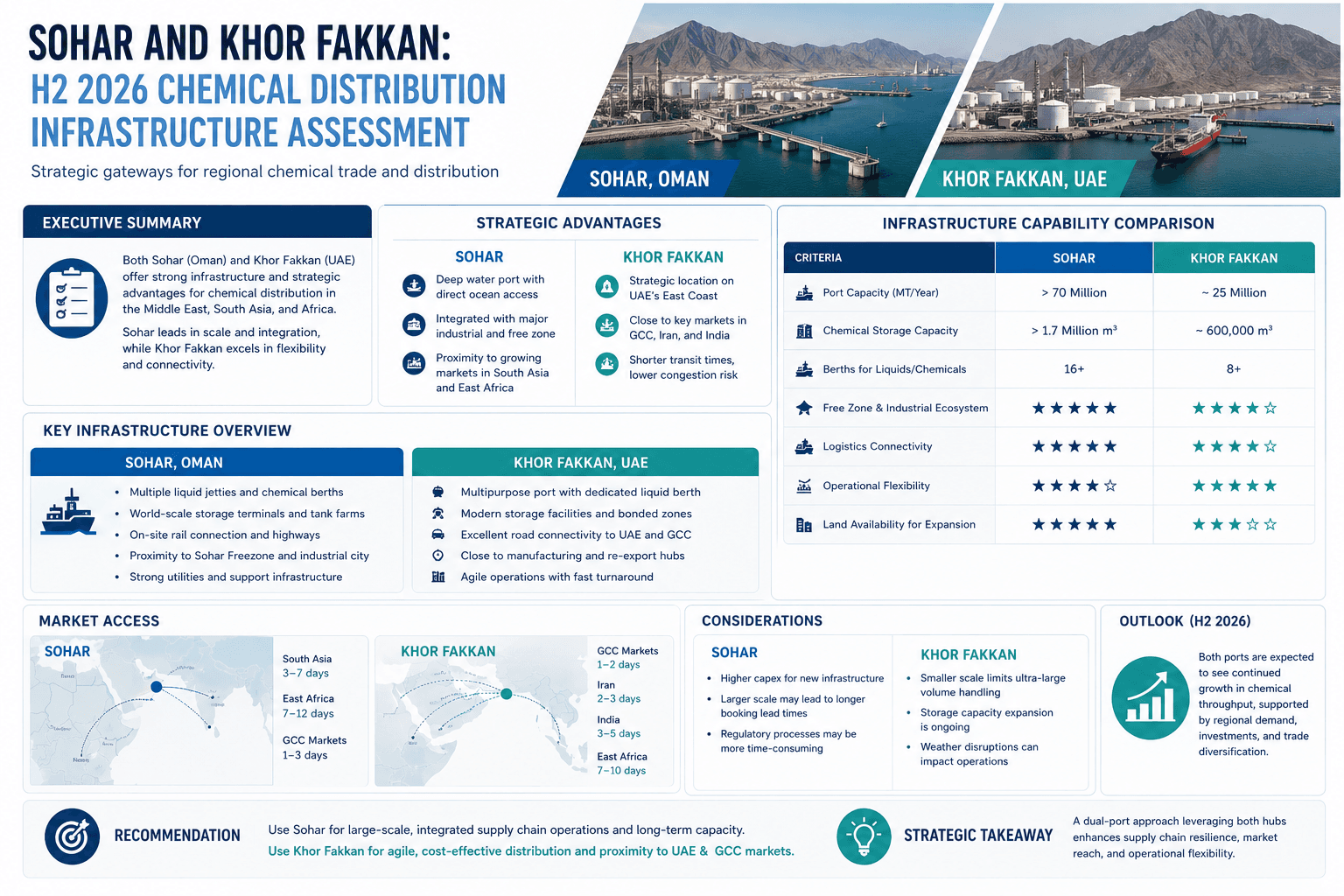
Sohar and Khor Fakkan: H2 2026 Chemical Distribution Infrastructure Assessment
Sohar and Khor Fakkan have emerged as permanent Gulf chemical distribution hubs after the Hormuz crisis disrupted traditional routes. Chemical buyers should now verify exactly where supplier cargo loads, as port selection directly affects insurance costs, lead times, and shipment risk.
Don't miss out on our updates! Subscribe to our newsletter now
We're committed to your privacy. Tradeasia uses the information you provide to us to contact you about our relevant content, products, and services. For more information, check out our privacy policy.