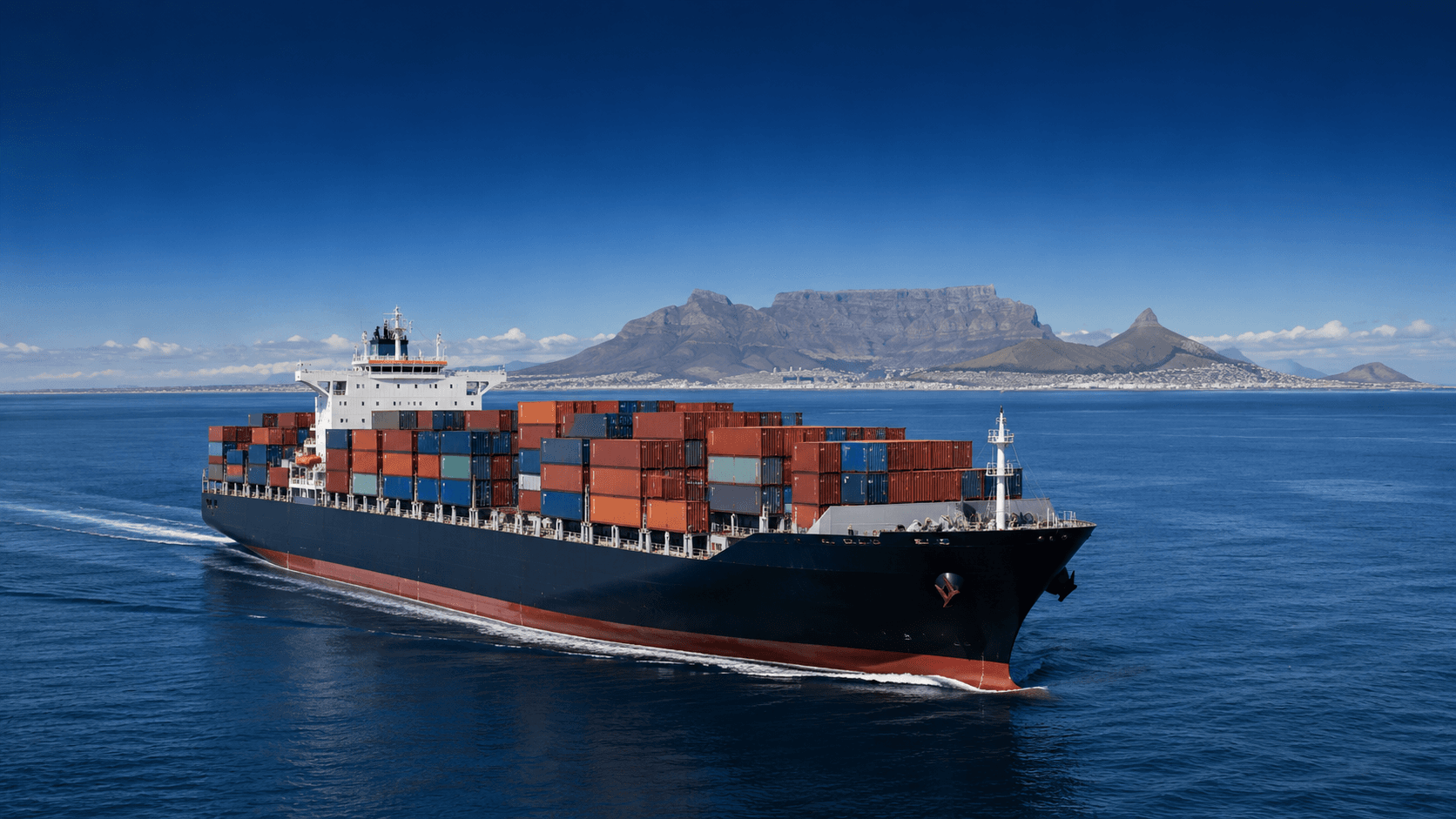

The 2026 Hormuz disruption did more than increase freight rates and shipping costs. It fundamentally changed how cargo moves through the Middle East.
For decades, Jebel Ali served as the dominant container gateway for much of the Gulf region. During the crisis, however, carriers were forced to diversify routing strategies, creating new importance for alternative ports across the region.
Among the biggest beneficiaries were:
Khor Fakkan (UAE).
Sohar (Oman).
Jeddah (Saudi Arabia).
What began as contingency planning has evolved into a structural shift in regional logistics.
Today, understanding these alternative hubs has become essential operational knowledge for chemical importers and supply chain managers.
Why Alternative Ports Matter
Shipping lines have invested heavily in:
Alternative vessel schedules.
New feeder services.
Additional terminal capacity.
Revised transshipment networks.
Once these investments are made, carriers rarely reverse course immediately.
Even if Hormuz conditions continue improving, many shipping companies are expected to maintain portions of their alternative routing strategies.
This means procurement teams must become familiar with ports that previously played secondary roles in their supply chains.
Khor Fakkan: The East Coast Advantage
Located on the UAE's eastern coastline outside the Strait of Hormuz, Khor Fakkan has become one of the most strategically important ports in the region.
Its key advantage is geographical.
Vessels can access Khor Fakkan without transiting the Strait of Hormuz itself, reducing exposure to maritime security concerns.
Key strengths include:
Direct ocean access.
Strong transshipment capabilities.
Established container infrastructure.
Strategic location between Asia and the Gulf.
For chemical cargo, Khor Fakkan has increasingly served as a relay point before onward movement into GCC markets.
Transit benefits include:
Reduced routing risk.
Flexible feeder connections.
Faster access to regional distribution networks.
Sohar: Oman's Strategic Logistics Alternative
Few ports have benefited from the 2026 disruption as much as Sohar.
Positioned outside the Strait of Hormuz, Sohar offers several advantages for chemical shippers:
Deep-water facilities.
Integrated industrial zones.
Petrochemical infrastructure.
Efficient access to GCC markets.
The port has become increasingly attractive for:
Bulk chemicals.
Petrochemical products.
Industrial raw materials.
Containerized chemical cargo.
One of Sohar's strongest advantages is its integration with manufacturing and industrial facilities.
This allows some chemical shipments to move directly into downstream processing networks without requiring multiple transshipment stages.
Jeddah: The Red Sea Gateway
Jeddah serves a different strategic function.
Rather than focusing primarily on Gulf access, Jeddah acts as a major gateway connecting:
Europe.
Africa.
The Red Sea.
Saudi Arabia's domestic market.
For chemical importers, Jeddah provides:
Access to western Saudi Arabia.
Strong regional distribution networks.
Significant container handling capacity.
Large-scale customs infrastructure.
As carriers expanded alternative routing options, Jeddah became an increasingly important node within broader Middle Eastern logistics networks.
Its role is particularly important for importers serving both Saudi Arabia and nearby regional markets.
Not All Transit Times Are Equal
A common misconception is that alternative hubs provide interchangeable service levels.
In reality, transit performance varies significantly.
Factors affecting delivery times include:
Vessel schedules.
Customs processing.
Feeder availability.
Terminal congestion.
Inland transportation networks.
A shipment moving through Khor Fakkan may experience very different lead times than one routed through Sohar or Jeddah.
For procurement teams, these differences directly affect inventory planning and safety stock requirements.
Bonded Chemical Storage Is Becoming a Competitive Advantage
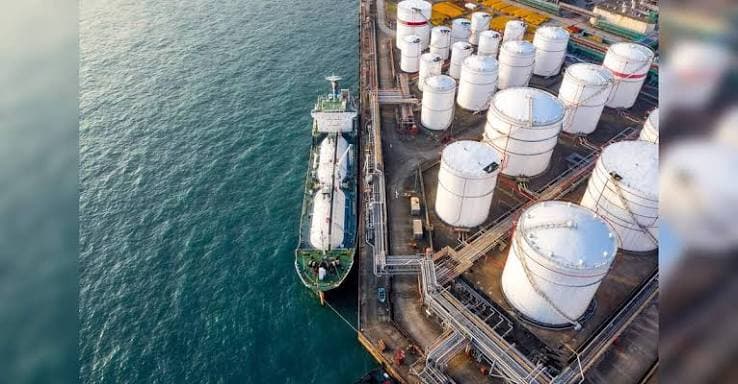
Another major differentiator among ports is chemical storage capability.
Chemical importers increasingly require:
Bonded warehousing.
Hazardous cargo handling.
Temperature-controlled storage.
Regulatory compliance infrastructure.
Availability varies substantially between ports.
Companies handling:
Solvents.
Acids.
Petrochemicals.
Specialty chemicals.
should evaluate storage options before selecting routing strategies.
Storage constraints can create hidden costs even when freight rates appear attractive.