Related Insights
US Petrochemical Plant Shutdowns: What Halts in PS, PVC and Styrene Production Mean for Chemical Buyers
Four major US chemical companies suspended production lines for polystyrene, PVC, styrene and related products during early July 2026. Procurement teams should evaluate how reduced operating capacity may affect product availability, regional pricing and future sourcing strategies.

Tungsten and Trace Metals in Food Processing Equipment: An Overlooked Supply Risk
Tungsten, a critical trace metal used in tungsten carbide tools, is central to the durability of food processing and packaging equipment. Recent export restrictions threaten to elevate maintenance costs, disrupt production schedules, and compromise long‑term ingredient supply chains. Understanding this hidden risk is essential for manufacturers and policymakers alike.
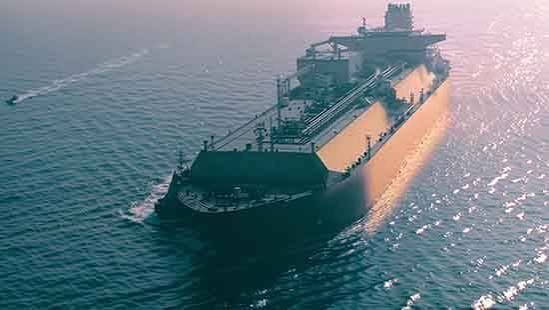
IMO's 49 Incidents: The Definitive Safety Record and What It Means for Chemical Tanker Risk
The International Maritime Organization has confirmed 49 security incidents across Hormuz and the Persian Gulf as of June 30, creating the most comprehensive official risk dataset of the 2026 shipping crisis. For chemical tanker operators and cargo buyers, this record now defines insurance underwriting and shipping risk calculations for H2 2026.
India Duty Waiver Ends Tonight, The Most Critical Monoethylene Glycol Procurement Moment of 2026
India's temporary customs duty exemption on Monoethylene Glycol expires at midnight, creating a major turning point for polyester manufacturers and chemical buyers. As Gulf supply improves and production costs ease, procurement teams must balance lower international prices against higher landed costs before finalizing Q3 purchasing strategies.

Pakistan Chemical Watch: July 2026 Procurement Outlook as Chemical Costs Ease
Pakistan's chemical market is gradually stabilizing as Gulf exports recover and freight costs improve. While landed prices for key chemicals are easing, buyers must continue managing foreign exchange constraints and secure payment structures during the July–September procurement window.
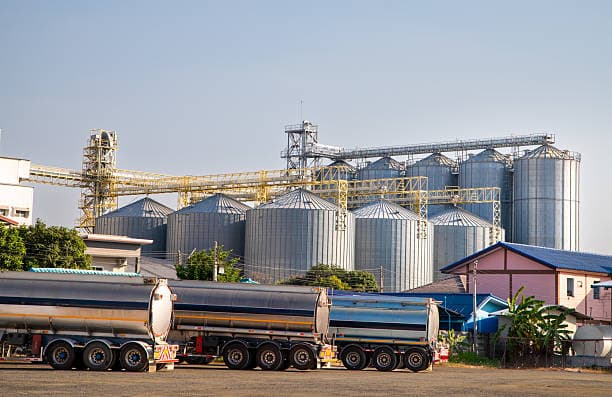
Agrochemical Logistics 2026: Cape Route vs Hormuz Corridor
Shippers face a critical routing decision in Q3 2026, weighing the Cape Route’s faster transit against the Hormuz Corridor’s higher insurance costs. Freight rates, geopolitical risk, and delivery windows differ, impacting fertilizer shipping profitability.
Don't miss out on our updates! Subscribe to our newsletter now
We're committed to your privacy. Tradeasia uses the information you provide to us to contact you about our relevant content, products, and services. For more information, check out our privacy policy.