Meeting MHLW Standards, Food Sanitation Law, and High-Purity Requirements
Introduction: Entering One of the World’s Most Quality-Driven Regulatory Environments
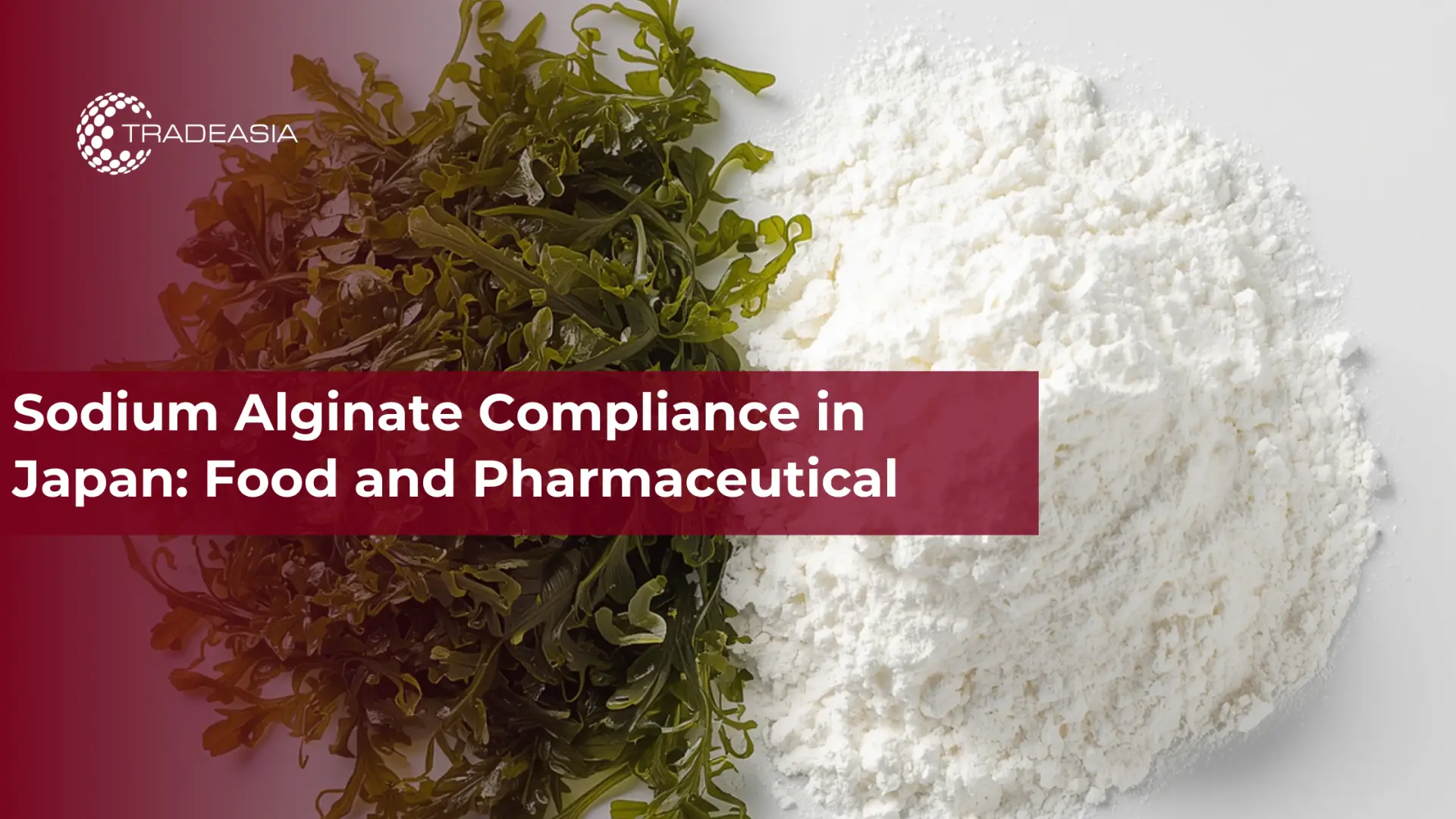
Sodium alginate, a naturally derived polysaccharide extracted from brown seaweed, is widely recognized for its functional versatility in both food and pharmaceutical applications. Its ability to form gels in the presence of calcium ions, stabilize emulsions, and control viscosity has made it a critical ingredient across industries ranging from processed foods and beverages to drug delivery systems and wound care products. However, while sodium alginate is globally traded and widely accepted, gaining access to certain markets requires navigating highly sophisticated and stringent regulatory frameworks. Among these, Japan stands out as one of the most demanding in terms of quality, safety, and compliance.
Japan’s regulatory system for food additives and pharmaceutical excipients is characterized by a high level of scrutiny, detailed specifications, and a strong emphasis on product consistency and safety. Governed primarily by the Ministry of Health, Labour and Welfare (MHLW), the country enforces regulations under the Food Sanitation Law for food applications and the Japanese Pharmacopoeia (JP) for pharmaceutical uses. These frameworks define not only which substances are permitted but also the precise conditions under which they may be manufactured, imported, and used.
For sodium alginate exporters, particularly those supplying from major production regions such as China, South Korea, and Southeast Asia, compliance with Japanese standards is both a challenge and an opportunity. The stringent requirements create high barriers to entry, but they also ensure that suppliers who meet these standards are recognized as high-quality and reliable partners in one of the world’s most sophisticated markets.
This article provides a comprehensive analysis of sodium alginate compliance in Japan’s food and pharmaceutical sectors. It explores the regulatory structure under the Food Sanitation Law, the additive approval system, pharmaceutical-grade requirements under the Japanese Pharmacopoeia, and critical parameters such as purity, microbiological safety, and heavy metal limits. By understanding these elements in detail, exporters and manufacturers can better align their operations with Japanese expectations and successfully participate in this high-value market.
Regulatory Framework: The Role of the Ministry of Health, Labour and Welfare (MHLW)
The regulation of sodium alginate in Japan is overseen by the Ministry of Health, Labour and Welfare (MHLW), which is responsible for ensuring the safety and quality of food additives and pharmaceutical ingredients. The MHLW operates through a comprehensive regulatory system that includes the Food Sanitation Law for food products and the Pharmaceuticals and Medical Devices Act (PMD Act) for pharmaceutical applications.
Under this system, all food additives must be approved and listed before they can be used in food products. This “positive list” approach ensures that only substances that have been evaluated for safety and functionality are permitted. Sodium alginate is included in this list as an approved additive, reflecting its long history of safe use and well-established functional properties.
For pharmaceutical applications, sodium alginate must comply with standards set out in the Japanese Pharmacopoeia, which defines the specifications for excipients used in drug formulations. These standards are highly detailed and cover aspects such as identity, purity, viscosity, and microbiological quality.
The dual regulatory structure means that sodium alginate must meet different sets of requirements depending on its intended use. This adds complexity to compliance but also ensures that products are tailored to the specific needs of each application.
Food Sanitation Law: Approval and Usage of Sodium Alginate in Food Applications
Under Japan’s Food Sanitation Law, sodium alginate is classified as a designated food additive and is permitted for use in a wide range of food categories. Its primary functions include thickening, gelling, stabilizing, and emulsifying, making it suitable for applications such as dairy products, desserts, sauces, and processed foods.
The approval of sodium alginate as a food additive is based on safety evaluations conducted by Japanese authorities, which consider toxicological data, dietary exposure, and functional necessity. Once approved, the additive can be used in accordance with specified conditions, which may include maximum usage levels or application-specific restrictions.
In many cases, sodium alginate is allowed under the principle of “appropriate use,” meaning it should be used only at levels necessary to achieve its intended function. However, for certain sensitive applications, such as foods for infants or special dietary purposes, stricter controls may apply.
Compliance with the Food Sanitation Law also requires adherence to manufacturing standards, proper labeling, and documentation. Importers must ensure that products meet Japanese specifications and are accompanied by the necessary certificates and declarations.
Additive Approval List: Positive Listing and Compliance Implications
Japan’s positive list system for food additives is a defining feature of its regulatory framework. Only additives that are explicitly listed are permitted for use, and each listing includes specific conditions and functional classifications. Sodium alginate is included in this list, but its use is subject to compliance with detailed specifications.
The listing of sodium alginate provides a clear legal basis for its use, but it also imposes strict requirements on manufacturers and exporters. These include ensuring that the product meets identity and purity criteria, is produced under controlled conditions, and is used in accordance with approved applications.
For exporters, inclusion in the positive list simplifies market access but does not eliminate the need for rigorous compliance. Japanese authorities and importers may conduct inspections and testing to verify that products meet all requirements. Any deviation can result in rejection or additional scrutiny.
Pharmaceutical Grade Requirements: Japanese Pharmacopoeia Standards
In the pharmaceutical sector, sodium alginate must comply with the Japanese Pharmacopoeia (JP), which sets out detailed specifications for excipients used in drug formulations. These standards are among the most stringent globally and are designed to ensure the safety, efficacy, and consistency of pharmaceutical products.
The JP defines sodium alginate in terms of its chemical identity, molecular characteristics, and functional properties. Key parameters include viscosity, which must fall within specified ranges depending on the grade, and purity, which requires the absence of harmful contaminants and impurities.
Microbiological quality is also a critical requirement, with strict limits on total microbial count and the absence of specific pathogens. This is particularly important for applications such as oral and topical drug delivery, where contamination could pose significant risks.
Compliance with JP standards often requires additional processing and quality control measures compared to food-grade production. This includes advanced purification techniques, controlled manufacturing environments, and comprehensive testing protocols.
Purity and Chemical Specifications: Ensuring Consistent Quality
Purity is a central aspect of sodium alginate compliance in Japan, reflecting the country’s emphasis on product quality and safety. Both food and pharmaceutical grades must meet stringent criteria for chemical composition, including limits on residual solvents, by-products, and inorganic impurities.
One of the unique challenges associated with sodium alginate is its origin from marine algae, which can accumulate heavy metals such as arsenic from the surrounding environment. Japanese regulations therefore include strict limits on heavy metal content, particularly arsenic, lead, and mercury.
In addition to heavy metals, parameters such as ash content, moisture levels, and pH must be controlled to ensure product consistency. These specifications are defined in regulatory standards and must be verified through regular testing.
For exporters, achieving and maintaining these purity levels requires careful selection of raw materials, advanced processing techniques, and robust quality management systems.
Microbiological Standards: High Expectations for Safety and Hygiene
Microbiological safety is a critical component of sodium alginate compliance in Japan, particularly given its use in food and pharmaceutical applications. Regulatory standards specify limits on total microbial counts and require the absence of harmful pathogens such as Salmonella and Escherichia coli.
These requirements necessitate strict hygiene controls throughout the production process, including raw material handling, processing, and packaging. Facilities must be designed and operated to minimize the risk of contamination, and regular testing must be conducted to verify compliance.
In the pharmaceutical sector, microbiological standards are even more stringent, reflecting the higher risk associated with medical applications. This may include additional requirements for endotoxin levels and sterile processing conditions.
Meeting these standards is essential for gaining and maintaining access to the Japanese market, as any failure can result in immediate rejection and potential reputational damage.
Import Compliance and Documentation: Meeting Japanese Entry Requirements
In addition to product specifications, exporters must comply with Japan’s import regulations, which include documentation, inspection, and certification requirements. Importers are responsible for submitting notifications to Japanese authorities and ensuring that products meet all regulatory standards.
Documentation typically includes certificates of analysis, technical data sheets, safety data sheets, and declarations of compliance. These documents must be accurate, complete, and aligned with Japanese requirements.
Customs inspections may involve sampling and testing to verify product quality and compliance. Any discrepancies can lead to delays, additional testing, or rejection of the shipment.
For exporters, working closely with experienced importers and regulatory experts is essential for navigating these requirements and ensuring smooth market entry.
Conclusion: Compliance as a Gateway to a Premium Market
Japan represents one of the most demanding regulatory environments for sodium alginate, characterized by strict standards, detailed specifications, and a strong emphasis on quality and safety. While these requirements create significant challenges for exporters, they also offer opportunities for those who can meet them.
By aligning with the Food Sanitation Law, adhering to the positive list system, and meeting Japanese Pharmacopoeia standards, manufacturers can position themselves as reliable suppliers in a high-value market. This requires investment in quality control, process optimization, and regulatory expertise, but the rewards include access to a sophisticated and quality-focused customer base.
In an increasingly competitive global market, compliance is not merely a requirement but a strategic advantage. For sodium alginate producers, success in Japan demonstrates a commitment to excellence that can enhance credibility and open doors to other premium markets worldwide.
For businesses seeking high-quality Sodium Algenate or other food additives and ingredients products and reliable sourcing solutions, visit foodingredientsasia.com for more information about specifications, applications, and supply capabilities. For direct inquiries, product details, or customized requirements, please contact food@chemtradeasia.com. Our team is ready to assist you with professional support and comprehensive solutions tailored to your needs.