Sodium Bicarbonate: Post-Arthur Flood Disruption Could Tighten US Gulf Chemical Distribution in Late June
Introduction
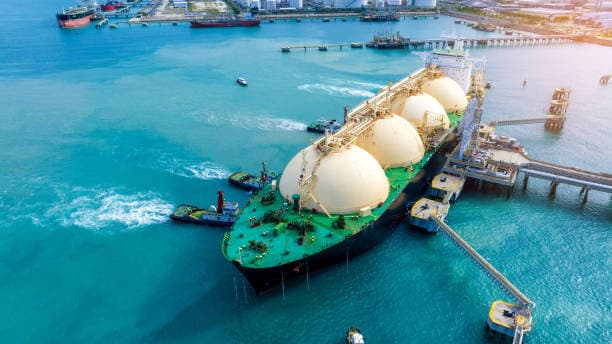
The US sodium bicarbonate market in June 2026 is experiencing a short-term logistics disturbance following Tropical Storm Arthur, which caused flooding across the Texas–Louisiana industrial corridor between June 17–18. While sodium bicarbonate production itself has not been significantly impacted, distribution through the Gulf Coast chemical logistics network has been temporarily disrupted.
Because the Gulf Coast is a major hub for chemical warehousing and inland distribution, even short-lived infrastructure interruptions can ripple into food processing, pharmaceutical, and industrial supply chains across the southern United States.
What Happened During Tropical Storm Arthur
Arthur brought unusually heavy rainfall and localized flooding across key industrial zones.
Key disruptions included:
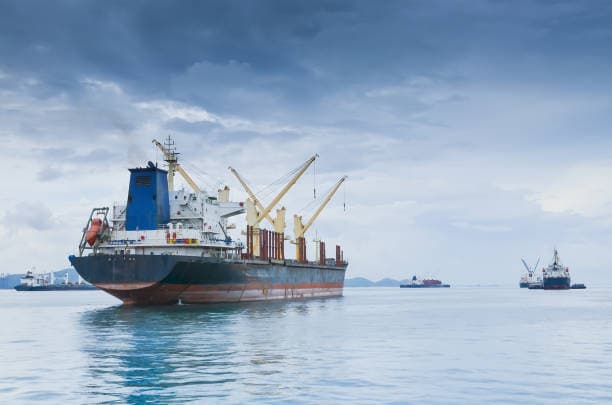
Temporary closure of select Gulf Coast port operations
Road network interruptions in Houston–Galveston corridor
Power outages affecting industrial zones and warehouses
Delays in truck loading and inland transport schedules
These disruptions primarily affected logistics, not production capacity.
Why Sodium Bicarbonate Distribution Was Affected
Sodium bicarbonate is widely used and typically stored in regional distribution hubs.
Key supply chain characteristics:
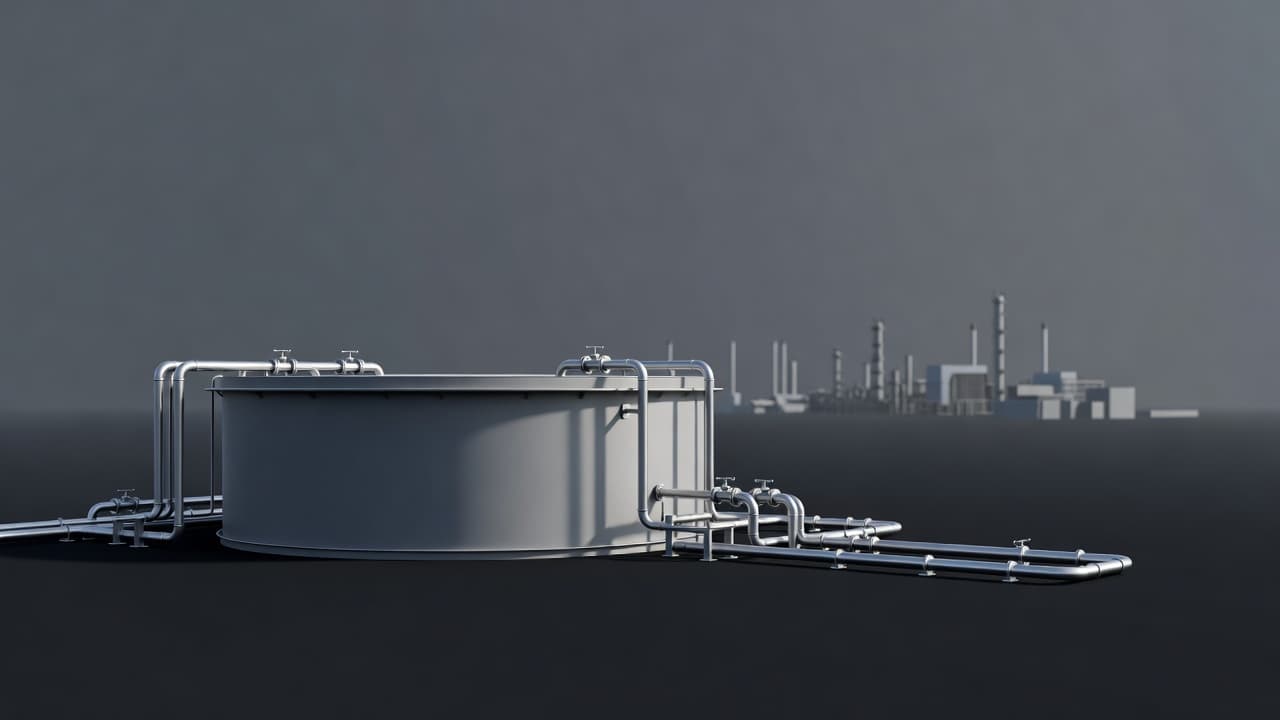
Bulk storage in Gulf Coast warehouses
Heavy reliance on trucking networks for inland delivery
Continuous demand from food and pharmaceutical sectors
Just-in-time replenishment for some industrial users
Because of this structure, distribution delays quickly translate into short-term availability pressure.
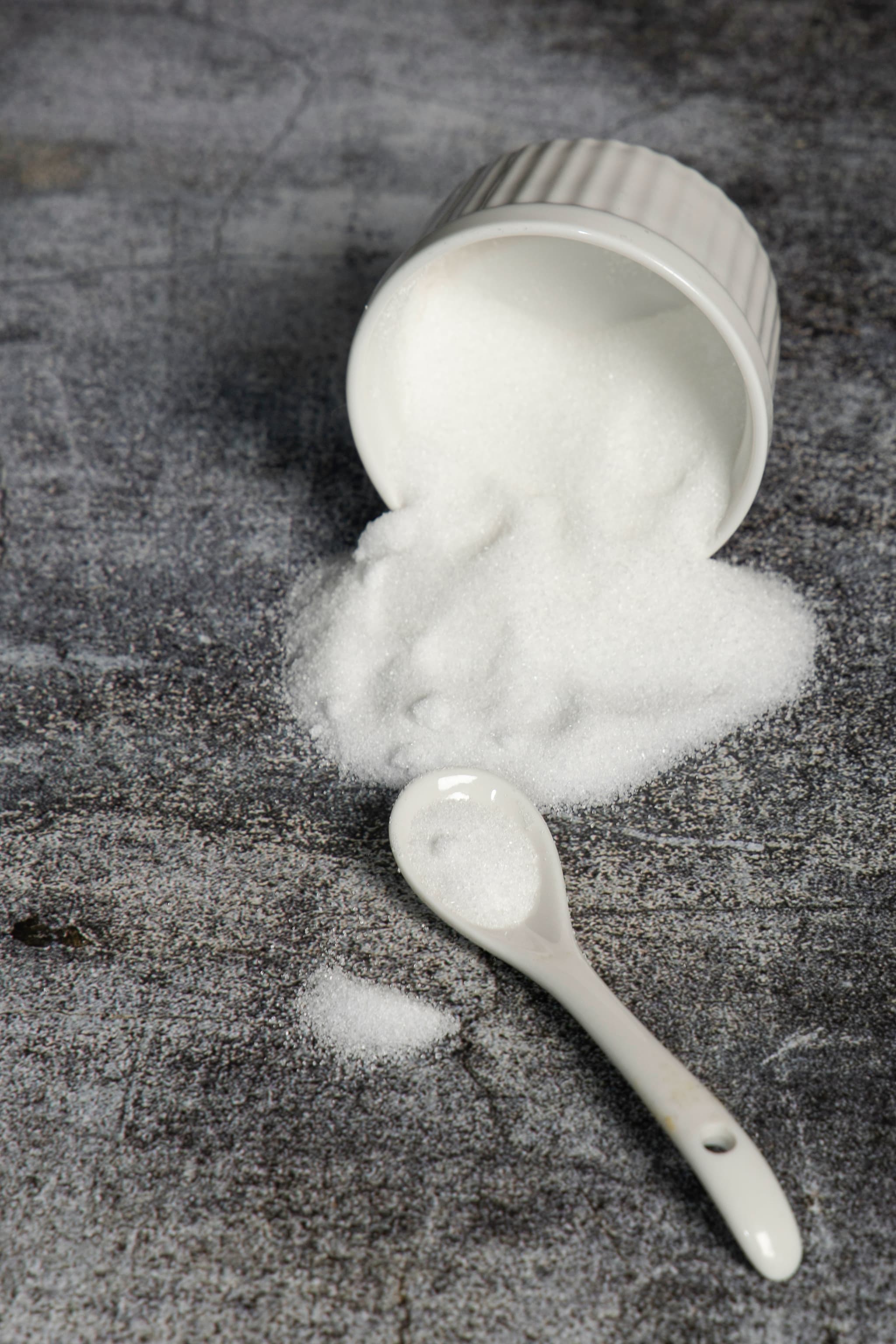
Sodium Bicarbonate Food Grade (E500(ii)) CAS: 144-55-8
Major End-Use Sectors Impacted
Food Industry
Baking applications (leavening agent)
Food processing and pH control
Ingredient blending operations
Pharmaceutical Sector
Antacid formulations
Dialysis and infusion-related uses
Tablet buffering systems
Industrial Applications
Cleaning agents
Flue gas treatment (select facilities)
Chemical processing systems
Even brief delays in supply can require manufacturers to draw down safety stock.
Gulf Coast as a Critical Chemical Logistics Hub
The Texas–Louisiana corridor is one of the most important chemical distribution regions in the United States.
Key characteristics:
Concentration of chemical warehouses
Proximity to petrochemical production zones
Access to major export ports
Integrated trucking and rail networks
Because of this concentration, weather events in this region can have outsized effects on chemical logistics.
Short-Term Market Impact (Late June 2026)
Likely effects:
Temporary tightening of regional inventories
Delivery delays to inland food processors
Increased spot market inquiries
Short-term trucking rate volatility
Duration:
Most disruption is expected to be localized and short-lived, assuming infrastructure recovery proceeds normally through the final week of June.
Sodium Bicarbonate Supply Fundamentals Remain Stable
Despite logistics disruptions, underlying production conditions remain strong.
US production advantage:
Low-cost trona-based production (Wyoming reserves)
Stable large-scale manufacturing capacity
Established domestic supply chains
This ensures that the issue is distributional rather than structural.
Weather Risk and 2026 Hurricane Season Outlook
Arthur’s early impact is a signal for broader seasonal risk.
Key concerns for Q3–Q4 2026:
Elevated hurricane activity probability
Increased flood risk in Gulf Coast logistics zones
Potential recurring port disruptions
Insurance and freight volatility
Implication:
Chemical distributors may need to adopt more robust contingency planning compared to previous years.
Procurement and Distribution Strategy Implications
For Food Manufacturers:
Monitor regional inventory levels closely
Increase short-term safety stock if reliant on Gulf distribution
Diversify supplier delivery routes where possible
For Distributors:
Strengthen inland logistics redundancy
Review warehouse risk exposure in coastal zones
Adjust trucking contracts for weather volatility
For Industrial Buyers:
Maintain buffer inventory for critical applications
Reassess just-in-time dependency on Gulf hubs
Market Outlook
The sodium bicarbonate market remains fundamentally stable in terms of production capacity, particularly due to strong US trona-based supply. However, the Arthur storm highlights how sensitive chemical distribution networks are to regional weather events in the Gulf Coast.
While the current disruption is expected to be temporary, it underscores a broader structural reality: weather risk is becoming an increasingly important factor in chemical logistics planning for 2026 and beyond.
Key Takeaways
Tropical Storm Arthur caused flooding and infrastructure disruption in the Texas–Louisiana corridor.
Sodium bicarbonate production remains stable, but distribution was temporarily affected.
Gulf Coast warehouses and logistics hubs are central to US chemical distribution.
Food and pharmaceutical sectors may see short-term delivery delays in late June.
Disruption is expected to be localized and temporary.
US trona-based production ensures strong underlying supply security.
2026 hurricane season signals elevated weather risk for chemical logistics.
Companies may need to increase inventory buffers and diversify logistics routes.