
 Biofuels have been gaining popularity over the past decade as a sustainable alternative to traditional fossil fuels. The production of biofuels requires a complex process that involves a variety of chemical reactions and processes. One such chemical that plays a crucial role in the production of biofuels is caustic soda flakes. In this blog, we will explore the role of caustic soda flakes in the production of biofuels and its contribution to clean energy
What are Caustic Soda Flakes?
Caustic soda flakes, also known as sodium hydroxide, are a highly versatile and widely used chemical in various industrial processes. It is produced through the process of electrolysis, in which a strong electric current is passed through saltwater to break it down into its components.
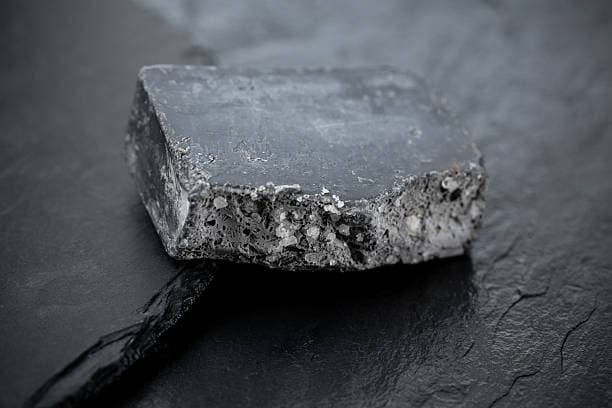
Sodium hydroxide is a white, crystalline, and highly soluble substance that is used as a strong base in numerous chemical reactions. It has a range of applications, including pulp and paper production, textile manufacturing, metal processing, and soap making. Due to its highly reactive and corrosive nature, sodium hydroxide must be handled with care and precaution.
The Role of Caustic Soda Flakes in Biofuel Production
Caustic soda flakes play a crucial role in the production of biofuels, particularly biodiesel. The production of biodiesel involves a chemical process called transesterification. Transesterification is a reaction between an alcohol, typically methanol, and a triglyceride, which is a type of fat or oil. The reaction requires a catalyst to speed up the process, and caustic soda flakes are commonly used as a catalyst in this process.
During transesterification, the caustic soda flakes react with the alcohol to form a solution of sodium methoxide. This solution acts as a catalyst in the reaction between the triglyceride and the alcohol, which results in the formation of biodiesel and glycerol. The caustic soda flakes also help to neutralize any acidic impurities that may be present in the fat or oil, which could interfere with the reaction.
The use of caustic soda flakes as a catalyst in the transesterification process has several advantages. It is cost-effective, efficient, and widely available. Caustic soda flakes are also easy to handle and store, and they have a long shelf life. Furthermore, caustic soda flakes are effective in breaking down a variety of fats and oils, which makes them versatile catalyst for biodiesel production.
The Benefits of Using Caustic Soda Flakes in Biofuel Production
The use of caustic soda flakes as a catalyst in the transesterification process has several advantages. It is cost-effective, efficient, and widely available. Caustic soda flakes are also easy to handle and store, and they have a long shelf life. Furthermore, caustic soda flakes are effective in breaking down a variety of fats and oils, which makes them a versatile catalyst for biodiesel production.
However, it is important to note that the use of caustic soda flakes in biodiesel production must be done with caution. Caustic soda flakes are highly corrosive and can cause severe burns and skin irritation. They must be handled with care and protective equipment must be worn. Additionally, the disposal of the by-products of the transesterification process, such as glycerol, must be done in an environmentally friendly manner.
Clean Energy Contribution of Caustic Soda Flakes
The production of biofuels using caustic soda flakes has significant contributions to clean energy. Biofuels are renewable and sustainable energy sources that offer several environmental benefits compared to traditional fossil fuels. When produced using caustic soda flakes, biofuels have even greater advantages because they can be made in a sustainable and environmentally friendly manner.
One of the key environmental benefits of biofuels produced using caustic soda flakes is the reduction in greenhouse gas emissions. Biofuels produce fewer emissions compared to traditional fossil fuels because they are made from renewable resources such as vegetable oils and animal fats. When burned, they release fewer greenhouse gases such as carbon dioxide and sulfur dioxide, which are the primary contributors to global warming and climate change.
The production of biofuels using caustic soda flakes has significant contributions to clean energy. Biofuels are renewable and sustainable energy sources that offer several environmental benefits compared to traditional fossil fuels. When produced using caustic soda flakes, biofuels have even greater advantages because they can be made in a sustainable and environmentally friendly manner.
One of the key environmental benefits of biofuels produced using caustic soda flakes is the reduction in greenhouse gas emissions. Biofuels produce fewer emissions compared to traditional fossil fuels because they are made from renewable resources such as vegetable oils and animal fats. When burned, they release fewer greenhouse gases such as carbon dioxide and sulfur dioxide, which are the primary contributors to global warming and climate change.
Another advantage of biofuels produced using caustic soda flakes is that they can help reduce dependence on imported oil. By producing biofuels domestically, countries can become less reliant on foreign oil and promote energy independence. This can help improve national security and reduce geopolitical tensions caused by the competition for energy resources.
Additionally, the production of biofuels using caustic soda flakes is a sustainable process that can have a positive impact on the environment. The by-products of the transesterification process, such as glycerol, can be used in other applications, such as soap making or as a fuel source. This reduces waste and promotes the efficient use of resources.
Moreover, caustic soda flakes can be produced using renewable energy sources such as solar or wind power. The use of renewable energy sources in the production of caustic soda flakes can significantly reduce the carbon footprint of the process. This makes biofuels produced using caustic soda flakes an even more environmentally friendly option for clean energy.
Conclusion
In conclusion, caustic soda flakes play a crucial role in the production of biofuels and contribute to clean energy. The sustainable and renewable nature of biofuels, along with the positive impact on the environment, make them an attractive alternative to traditional fossil fuels. With continued advancements in technology, the production of biofuels using caustic soda flakes is likely to become even more efficient and cost-effective.
Photo by rawpixel.com via https://www.freepik.com/
Biofuels have been gaining popularity over the past decade as a sustainable alternative to traditional fossil fuels. The production of biofuels requires a complex process that involves a variety of chemical reactions and processes. One such chemical that plays a crucial role in the production of biofuels is caustic soda flakes. In this blog, we will explore the role of caustic soda flakes in the production of biofuels and its contribution to clean energy
What are Caustic Soda Flakes?
Caustic soda flakes, also known as sodium hydroxide, are a highly versatile and widely used chemical in various industrial processes. It is produced through the process of electrolysis, in which a strong electric current is passed through saltwater to break it down into its components.
Sodium hydroxide is a white, crystalline, and highly soluble substance that is used as a strong base in numerous chemical reactions. It has a range of applications, including pulp and paper production, textile manufacturing, metal processing, and soap making. Due to its highly reactive and corrosive nature, sodium hydroxide must be handled with care and precaution.
The Role of Caustic Soda Flakes in Biofuel Production
Caustic soda flakes play a crucial role in the production of biofuels, particularly biodiesel. The production of biodiesel involves a chemical process called transesterification. Transesterification is a reaction between an alcohol, typically methanol, and a triglyceride, which is a type of fat or oil. The reaction requires a catalyst to speed up the process, and caustic soda flakes are commonly used as a catalyst in this process.
During transesterification, the caustic soda flakes react with the alcohol to form a solution of sodium methoxide. This solution acts as a catalyst in the reaction between the triglyceride and the alcohol, which results in the formation of biodiesel and glycerol. The caustic soda flakes also help to neutralize any acidic impurities that may be present in the fat or oil, which could interfere with the reaction.
The use of caustic soda flakes as a catalyst in the transesterification process has several advantages. It is cost-effective, efficient, and widely available. Caustic soda flakes are also easy to handle and store, and they have a long shelf life. Furthermore, caustic soda flakes are effective in breaking down a variety of fats and oils, which makes them versatile catalyst for biodiesel production.
The Benefits of Using Caustic Soda Flakes in Biofuel Production
The use of caustic soda flakes as a catalyst in the transesterification process has several advantages. It is cost-effective, efficient, and widely available. Caustic soda flakes are also easy to handle and store, and they have a long shelf life. Furthermore, caustic soda flakes are effective in breaking down a variety of fats and oils, which makes them a versatile catalyst for biodiesel production.
However, it is important to note that the use of caustic soda flakes in biodiesel production must be done with caution. Caustic soda flakes are highly corrosive and can cause severe burns and skin irritation. They must be handled with care and protective equipment must be worn. Additionally, the disposal of the by-products of the transesterification process, such as glycerol, must be done in an environmentally friendly manner.
Clean Energy Contribution of Caustic Soda Flakes
The production of biofuels using caustic soda flakes has significant contributions to clean energy. Biofuels are renewable and sustainable energy sources that offer several environmental benefits compared to traditional fossil fuels. When produced using caustic soda flakes, biofuels have even greater advantages because they can be made in a sustainable and environmentally friendly manner.
One of the key environmental benefits of biofuels produced using caustic soda flakes is the reduction in greenhouse gas emissions. Biofuels produce fewer emissions compared to traditional fossil fuels because they are made from renewable resources such as vegetable oils and animal fats. When burned, they release fewer greenhouse gases such as carbon dioxide and sulfur dioxide, which are the primary contributors to global warming and climate change.
The production of biofuels using caustic soda flakes has significant contributions to clean energy. Biofuels are renewable and sustainable energy sources that offer several environmental benefits compared to traditional fossil fuels. When produced using caustic soda flakes, biofuels have even greater advantages because they can be made in a sustainable and environmentally friendly manner.
One of the key environmental benefits of biofuels produced using caustic soda flakes is the reduction in greenhouse gas emissions. Biofuels produce fewer emissions compared to traditional fossil fuels because they are made from renewable resources such as vegetable oils and animal fats. When burned, they release fewer greenhouse gases such as carbon dioxide and sulfur dioxide, which are the primary contributors to global warming and climate change.
Another advantage of biofuels produced using caustic soda flakes is that they can help reduce dependence on imported oil. By producing biofuels domestically, countries can become less reliant on foreign oil and promote energy independence. This can help improve national security and reduce geopolitical tensions caused by the competition for energy resources.
Additionally, the production of biofuels using caustic soda flakes is a sustainable process that can have a positive impact on the environment. The by-products of the transesterification process, such as glycerol, can be used in other applications, such as soap making or as a fuel source. This reduces waste and promotes the efficient use of resources.
Moreover, caustic soda flakes can be produced using renewable energy sources such as solar or wind power. The use of renewable energy sources in the production of caustic soda flakes can significantly reduce the carbon footprint of the process. This makes biofuels produced using caustic soda flakes an even more environmentally friendly option for clean energy.
Conclusion
In conclusion, caustic soda flakes play a crucial role in the production of biofuels and contribute to clean energy. The sustainable and renewable nature of biofuels, along with the positive impact on the environment, make them an attractive alternative to traditional fossil fuels. With continued advancements in technology, the production of biofuels using caustic soda flakes is likely to become even more efficient and cost-effective.
Photo by rawpixel.com via https://www.freepik.com/Utilizing Caustic Soda Flakes in the Production of Biofuels and Clean Energy
 Biofuels have been gaining popularity over the past decade as a sustainable alternative to traditional fossil fuels. The production of biofuels requires a complex process that involves a variety of chemical reactions and processes. One such chemical that plays a crucial role in the production of biofuels is caustic soda flakes. In this blog, we will explore the role of caustic soda flakes in the production of biofuels and its contribution to clean energy
What are Caustic Soda Flakes?
Caustic soda flakes, also known as sodium hydroxide, are a highly versatile and widely used chemical in various industrial processes. It is produced through the process of electrolysis, in which a strong electric current is passed through saltwater to break it down into its components.
Sodium hydroxide is a white, crystalline, and highly soluble substance that is used as a strong base in numerous chemical reactions. It has a range of applications, including pulp and paper production, textile manufacturing, metal processing, and soap making. Due to its highly reactive and corrosive nature, sodium hydroxide must be handled with care and precaution.
The Role of Caustic Soda Flakes in Biofuel Production
Caustic soda flakes play a crucial role in the production of biofuels, particularly biodiesel. The production of biodiesel involves a chemical process called transesterification. Transesterification is a reaction between an alcohol, typically methanol, and a triglyceride, which is a type of fat or oil. The reaction requires a catalyst to speed up the process, and caustic soda flakes are commonly used as a catalyst in this process.
During transesterification, the caustic soda flakes react with the alcohol to form a solution of sodium methoxide. This solution acts as a catalyst in the reaction between the triglyceride and the alcohol, which results in the formation of biodiesel and glycerol. The caustic soda flakes also help to neutralize any acidic impurities that may be present in the fat or oil, which could interfere with the reaction.
The use of caustic soda flakes as a catalyst in the transesterification process has several advantages. It is cost-effective, efficient, and widely available. Caustic soda flakes are also easy to handle and store, and they have a long shelf life. Furthermore, caustic soda flakes are effective in breaking down a variety of fats and oils, which makes them versatile catalyst for biodiesel production.
The Benefits of Using Caustic Soda Flakes in Biofuel Production
The use of caustic soda flakes as a catalyst in the transesterification process has several advantages. It is cost-effective, efficient, and widely available. Caustic soda flakes are also easy to handle and store, and they have a long shelf life. Furthermore, caustic soda flakes are effective in breaking down a variety of fats and oils, which makes them a versatile catalyst for biodiesel production.
However, it is important to note that the use of caustic soda flakes in biodiesel production must be done with caution. Caustic soda flakes are highly corrosive and can cause severe burns and skin irritation. They must be handled with care and protective equipment must be worn. Additionally, the disposal of the by-products of the transesterification process, such as glycerol, must be done in an environmentally friendly manner.
Clean Energy Contribution of Caustic Soda Flakes
The production of biofuels using caustic soda flakes has significant contributions to clean energy. Biofuels are renewable and sustainable energy sources that offer several environmental benefits compared to traditional fossil fuels. When produced using caustic soda flakes, biofuels have even greater advantages because they can be made in a sustainable and environmentally friendly manner.
One of the key environmental benefits of biofuels produced using caustic soda flakes is the reduction in greenhouse gas emissions. Biofuels produce fewer emissions compared to traditional fossil fuels because they are made from renewable resources such as vegetable oils and animal fats. When burned, they release fewer greenhouse gases such as carbon dioxide and sulfur dioxide, which are the primary contributors to global warming and climate change.
The production of biofuels using caustic soda flakes has significant contributions to clean energy. Biofuels are renewable and sustainable energy sources that offer several environmental benefits compared to traditional fossil fuels. When produced using caustic soda flakes, biofuels have even greater advantages because they can be made in a sustainable and environmentally friendly manner.
One of the key environmental benefits of biofuels produced using caustic soda flakes is the reduction in greenhouse gas emissions. Biofuels produce fewer emissions compared to traditional fossil fuels because they are made from renewable resources such as vegetable oils and animal fats. When burned, they release fewer greenhouse gases such as carbon dioxide and sulfur dioxide, which are the primary contributors to global warming and climate change.
Another advantage of biofuels produced using caustic soda flakes is that they can help reduce dependence on imported oil. By producing biofuels domestically, countries can become less reliant on foreign oil and promote energy independence. This can help improve national security and reduce geopolitical tensions caused by the competition for energy resources.
Additionally, the production of biofuels using caustic soda flakes is a sustainable process that can have a positive impact on the environment. The by-products of the transesterification process, such as glycerol, can be used in other applications, such as soap making or as a fuel source. This reduces waste and promotes the efficient use of resources.
Moreover, caustic soda flakes can be produced using renewable energy sources such as solar or wind power. The use of renewable energy sources in the production of caustic soda flakes can significantly reduce the carbon footprint of the process. This makes biofuels produced using caustic soda flakes an even more environmentally friendly option for clean energy.
Conclusion
In conclusion, caustic soda flakes play a crucial role in the production of biofuels and contribute to clean energy. The sustainable and renewable nature of biofuels, along with the positive impact on the environment, make them an attractive alternative to traditional fossil fuels. With continued advancements in technology, the production of biofuels using caustic soda flakes is likely to become even more efficient and cost-effective.
Photo by rawpixel.com via https://www.freepik.com/
Biofuels have been gaining popularity over the past decade as a sustainable alternative to traditional fossil fuels. The production of biofuels requires a complex process that involves a variety of chemical reactions and processes. One such chemical that plays a crucial role in the production of biofuels is caustic soda flakes. In this blog, we will explore the role of caustic soda flakes in the production of biofuels and its contribution to clean energy
What are Caustic Soda Flakes?
Caustic soda flakes, also known as sodium hydroxide, are a highly versatile and widely used chemical in various industrial processes. It is produced through the process of electrolysis, in which a strong electric current is passed through saltwater to break it down into its components.
Sodium hydroxide is a white, crystalline, and highly soluble substance that is used as a strong base in numerous chemical reactions. It has a range of applications, including pulp and paper production, textile manufacturing, metal processing, and soap making. Due to its highly reactive and corrosive nature, sodium hydroxide must be handled with care and precaution.
The Role of Caustic Soda Flakes in Biofuel Production
Caustic soda flakes play a crucial role in the production of biofuels, particularly biodiesel. The production of biodiesel involves a chemical process called transesterification. Transesterification is a reaction between an alcohol, typically methanol, and a triglyceride, which is a type of fat or oil. The reaction requires a catalyst to speed up the process, and caustic soda flakes are commonly used as a catalyst in this process.
During transesterification, the caustic soda flakes react with the alcohol to form a solution of sodium methoxide. This solution acts as a catalyst in the reaction between the triglyceride and the alcohol, which results in the formation of biodiesel and glycerol. The caustic soda flakes also help to neutralize any acidic impurities that may be present in the fat or oil, which could interfere with the reaction.
The use of caustic soda flakes as a catalyst in the transesterification process has several advantages. It is cost-effective, efficient, and widely available. Caustic soda flakes are also easy to handle and store, and they have a long shelf life. Furthermore, caustic soda flakes are effective in breaking down a variety of fats and oils, which makes them versatile catalyst for biodiesel production.
The Benefits of Using Caustic Soda Flakes in Biofuel Production
The use of caustic soda flakes as a catalyst in the transesterification process has several advantages. It is cost-effective, efficient, and widely available. Caustic soda flakes are also easy to handle and store, and they have a long shelf life. Furthermore, caustic soda flakes are effective in breaking down a variety of fats and oils, which makes them a versatile catalyst for biodiesel production.
However, it is important to note that the use of caustic soda flakes in biodiesel production must be done with caution. Caustic soda flakes are highly corrosive and can cause severe burns and skin irritation. They must be handled with care and protective equipment must be worn. Additionally, the disposal of the by-products of the transesterification process, such as glycerol, must be done in an environmentally friendly manner.
Clean Energy Contribution of Caustic Soda Flakes
The production of biofuels using caustic soda flakes has significant contributions to clean energy. Biofuels are renewable and sustainable energy sources that offer several environmental benefits compared to traditional fossil fuels. When produced using caustic soda flakes, biofuels have even greater advantages because they can be made in a sustainable and environmentally friendly manner.
One of the key environmental benefits of biofuels produced using caustic soda flakes is the reduction in greenhouse gas emissions. Biofuels produce fewer emissions compared to traditional fossil fuels because they are made from renewable resources such as vegetable oils and animal fats. When burned, they release fewer greenhouse gases such as carbon dioxide and sulfur dioxide, which are the primary contributors to global warming and climate change.
The production of biofuels using caustic soda flakes has significant contributions to clean energy. Biofuels are renewable and sustainable energy sources that offer several environmental benefits compared to traditional fossil fuels. When produced using caustic soda flakes, biofuels have even greater advantages because they can be made in a sustainable and environmentally friendly manner.
One of the key environmental benefits of biofuels produced using caustic soda flakes is the reduction in greenhouse gas emissions. Biofuels produce fewer emissions compared to traditional fossil fuels because they are made from renewable resources such as vegetable oils and animal fats. When burned, they release fewer greenhouse gases such as carbon dioxide and sulfur dioxide, which are the primary contributors to global warming and climate change.
Another advantage of biofuels produced using caustic soda flakes is that they can help reduce dependence on imported oil. By producing biofuels domestically, countries can become less reliant on foreign oil and promote energy independence. This can help improve national security and reduce geopolitical tensions caused by the competition for energy resources.
Additionally, the production of biofuels using caustic soda flakes is a sustainable process that can have a positive impact on the environment. The by-products of the transesterification process, such as glycerol, can be used in other applications, such as soap making or as a fuel source. This reduces waste and promotes the efficient use of resources.
Moreover, caustic soda flakes can be produced using renewable energy sources such as solar or wind power. The use of renewable energy sources in the production of caustic soda flakes can significantly reduce the carbon footprint of the process. This makes biofuels produced using caustic soda flakes an even more environmentally friendly option for clean energy.
Conclusion
In conclusion, caustic soda flakes play a crucial role in the production of biofuels and contribute to clean energy. The sustainable and renewable nature of biofuels, along with the positive impact on the environment, make them an attractive alternative to traditional fossil fuels. With continued advancements in technology, the production of biofuels using caustic soda flakes is likely to become even more efficient and cost-effective.
Photo by rawpixel.com via https://www.freepik.com/관련 인사이트

Methyl Methacrylate (MMA) and PMMA: Optical Applications
Methyl methacrylate (MMA) is produced from acetone cyanohydrin (acetone + HCN)
12 June 2026 Tradeasia Team
Aluminium Stearate: The Metal Soap Powering Paints, Plastics and Rubber in 2026
Aluminium stearate, a versatile metal‑soap chemical, is reshaping coatings, plastics and rubber markets. This article explains its production, key uses as a paint additive, plastic lubricant and rubber mould release agent, and examines shifting demand trends for 2026.
12 June 2026 Tradeasia Team

Citric Acid as a Natural Powerhouse in Skincare and Medicinal Products
Citric acid has emerged as a powerhouse, providing a plethora of advantages for our skin and general health as the need for natural and efficient components rises. Citric acid has gained popularity as a go-to component thanks to its exfoliating abilities and antioxidant effects. It gives us a health
19 June 2023 Tradeasia Team
How H2O2 Plays a Critical Role in Pulp and Paper Bleaching
Learn how hydrogen peroxide from chemtradeasia.com optimizes pulp and paper bleaching with high brightness, lower costs, and eco-friendly performance.
15 January 2026 Tradeasia Team

Hydrogen Peroxide Industrial Uses: From Bleaching to Electronics and Water Treatment
Hydrogen peroxide, produced via the anthraquinone auto‑oxidation loop, is a versatile green oxidizer. Its stable 35‑70% grades power pulp bleaching, textile processing, semiconductor cleaning, food sterilisation and municipal water treatment, with demand driven by Asia’s expanding industries.
09 June 2026 Tradeasia Team

Leveraging Calcium Carbonate for Healthy Livestock
The foundation of a productive and healthy farming operation is livestock nutrition. For farmers and ranchers, maintaining the welfare of their animals is essential to sustainable agriculture and not merely a moral issue. In this blog, we examine calcium carbonate, a crucial component that improves
05 September 2023 Tradeasia Team
업데이트를 놓치지 마세요! 지금 뉴스레터를 구독하세요
Tradeasia는 귀하의 개인정보 보호를 중요하게 생각합니다. 제공하신 정보는 관련 콘텐츠, 제품 및 서비스 안내를 위해 사용됩니다. 자세한 내용은 개인정보 처리방침을 확인해 주세요.