Introduction: The Structural Void of Gluten-Free Formulation
The commercial bakery sector has experienced a sustained, aggressive expansion in the gluten-free category, transitioning from a niche dietary requirement to a mainstream lifestyle preference. However, scaling the production of gluten-free breads, cakes, and pastries presents one of the most complex rheological challenges in food science. In traditional baking, the gluten protein network acts as a microscopic, elastic scaffolding that traps fermentation gases, expands during baking, and provides the satisfying, resilient chew of the finished crumb. When gluten is entirely removed from the formulation, this structural scaffolding collapses. To rebuild this architecture, food scientists must reverse-engineer the dough matrix using a highly precise combination of hydrocolloids, alternative flours, and isolated starches. At the absolute core of this structural reconstruction is the strategic application of premium Potato Starch. Understanding how potato starch specifically interacts with water and other carbohydrates is essential for formulators and procurement teams seeking to eliminate the dense, crumbly, and unpalatable textures that historically plagued the gluten-free bakery aisle.
The Physics of Potato Starch: Granule Size and Hydration Capacity
The unique functional power of potato starch in a gluten-free matrix is dictated entirely by its microscopic physical architecture. All starches are composed of granules, but they vary wildly in size depending on their botanical origin. While corn and tapioca starches feature relatively small to mid-sized granules, potato starch boasts some of the absolute largest granules in the commercial botanical world, frequently measuring up to one hundred microns in diameter. This massive surface area and internal volume translate into an unparalleled water-binding capacity.
When a gluten-free batter enters the industrial oven, the starches must absorb the available water and swell, a process known as gelatinization. Because potato starch granules are so large, they absorb massive quantities of water very rapidly and at a significantly lower temperature than cereal starches. As these giant granules swell, they create a highly viscous, moisture-dense gel that physically props up the expanding dough before the heat permanently sets the structure. For the consumer, this intense water-binding capacity is the difference between a dry, choking slice of gluten-free bread and a moist, tender, and luxurious crumb that closely mimics traditional wheat-based pastries.
Blending Dynamics: The Corn and Potato Starch Synergy
Despite its supreme moisture-retaining capabilities, formulators rarely rely on potato starch as the sole structural ingredient. If a gluten-free cake or bread is baked using one hundred percent potato starch, the massive, swollen granules create a texture that is overly gummy, excessively chewy, and prone to collapsing under its own weight. To achieve the perfect organoleptic balance, food scientists rely on the synergistic blending of potato starch with a rigid structural counterpart, most commonly corn starch.
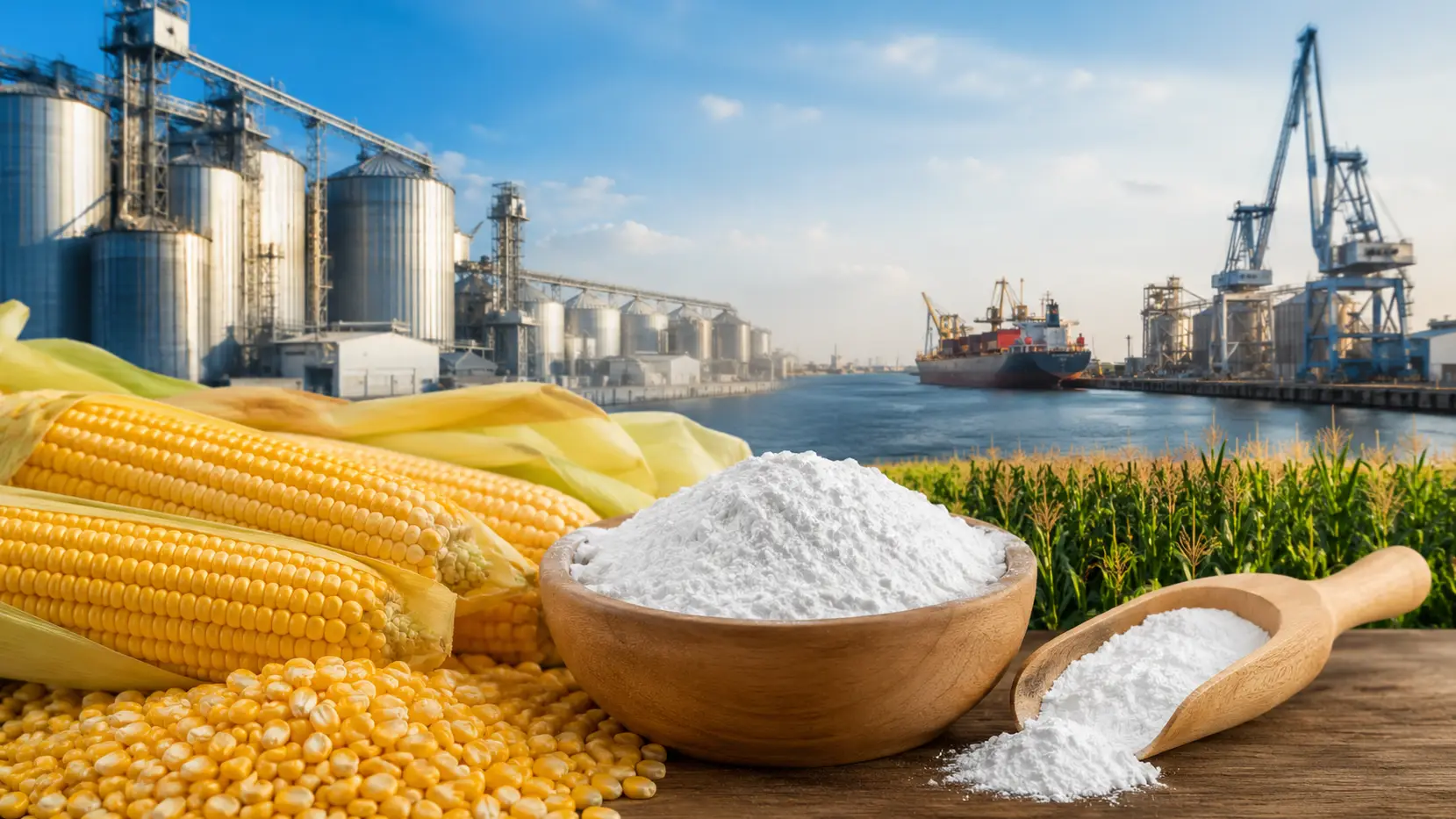
Corn starch, characterized by its smaller granules and higher gelatinization temperature, acts as the structural foundation of the crumb. It sets into a firm, rigid gel that provides the necessary volume, cellular framework, and physical "bite" of the baked good. By precisely blending these two ingredients, the formulation team creates a composite matrix. The corn starch builds the resilient walls of the microscopic air cells, while the potato starch acts as the internal tenderizer, locking moisture into the interstitial spaces and preventing the crumb from becoming brittle. Mastering this specific ratio allows commercial bakeries to dial in the exact texture required for their specific product, whether it is a fluffy sandwich loaf, a dense muffin, or a delicate, flaky pie crust.
Extending Shelf Life: Combating Retrogradation in the Crumb
The commercial viability of a wholesale bakery product is strictly defined by its shelf life. Gluten-free baked goods are notoriously susceptible to rapid staling, transitioning from soft to rock-hard in a matter of days. This staling is not primarily caused by moisture evaporating into the air, but rather by a chemical process called retrogradation. After baking, as the product cools and sits on the retail shelf, the gelatinized starch molecules naturally attempt to realign and recrystallize into their original, rigid structures, physically squeezing the trapped water out of the crumb network.
Potato starch provides a powerful defense against this rapid degradation. Due to its naturally high concentration of phosphate ester groups and its specific molecular branching, potato starch heavily resists this recrystallization process. The phosphate groups carry a negative electrical charge, causing the starch molecules to repel one another and preventing them from packing tightly back together. By incorporating a high-quality potato starch into the gluten-free blend, manufacturers effectively slow down the staling clock. The crumb remains softer and more pliable for a significantly longer duration, drastically reducing retail waste, minimizing consumer returns, and protecting the profitability of the entire production run.
The Procurement Perspective: Cost-in-Use and Grade Selection
For the strategic procurement manager overseeing a high-volume commercial bakery, sourcing potato starch requires strict attention to physical specifications and agricultural variability. Because potato starch contains significantly larger granules that naturally hold more moisture, its baseline moisture content usually hovers around eighteen to twenty percent, which is noticeably higher than the ten to twelve percent typical of corn starch. Procurement teams must account for this when calculating the exact dry-matter yield and overall cost-in-use for their bulk ingredient purchasing.
Furthermore, the buyer must implement rigorous vendor qualification protocols to ensure they are procuring strictly premium food-grade material. Because potato starch is extracted from a root tuber, inferior or loosely processed grades can carry residual earthy, dirt-like off-flavors or high microbial loads from the soil. In the delicate, neutral-flavor profile of a vanilla sponge cake or a white sandwich bread, these off-notes are disastrous. Strategic sourcing requires demanding comprehensive Certificates of Analysis from the manufacturer, verifying advanced washing and purification steps that guarantee a pristine white, microbiologically safe, and entirely flavor-neutral ingredient.
Conclusion
The formulation of premium gluten-free baked goods is a high-stakes exercise in structural engineering and moisture management. Attempting to build a palatable crumb without the precise application of highly functional starches inevitably leads to dense, dry, and rapidly staling products that alienate the modern consumer. Potato starch stands out as the ultimate tenderizing and moisture-locking agent in the commercial bakery arsenal. Its massive granule size drives unparalleled hydration, its unique molecular structure fiercely combats the staling process, and its synergy with rigid corn starches allows formulators to perfectly mimic the luxurious texture of traditional wheat flour. By strategically sourcing highly purified, premium food-grade potato starch, formulation engineers and supply chain directors can elevate their gluten-free portfolio, extend their commercial shelf life, and capture a dominant share of this rapidly expanding dietary market.
Partner with Food Additives Asia for Ingredient Security
The structural perfection of your gluten-free bakery portfolio and the commercial viability of your product shelf life depend entirely on the hydration capacity and purity of your starch systems. At Food Additives Asia, we supply premium, highly functional Potato Starch specifically engineered to meet the rigorous rheological demands of the global commercial baking industry. We focus on uncompromising purity, sourcing strictly premium food-grade materials with near-zero trace impurities, ensuring maximum water-binding capacity without introducing earthy off-flavors or microbial hazards to your delicate dough matrices. We drive operational excellence by providing specialized, free-flowing powder formats designed for rapid dispersion, superior blending uniformity, and flawless integration into high-speed automated dry-mixing lines. Furthermore, we guarantee supply chain security by ensuring consistent, year-round availability from fully audited, top-tier global manufacturers, completely insulating your high-volume production from agricultural market volatility and logistical disruptions. Secure your crumb structure. Protect your shelf life. Contact our team for Potato Starch specifications, technical blending guidelines, and reliable forward contracting options at foodadditivesasia.com.