
Introduction
In the dynamic landscape of American agribusiness and manufacturing, few commodities demonstrate the enduring versatility and renewed relevance of soybean oil. Long a staple in both pantries and industrial facilities, this vegetable oil is experiencing a significant resurgence. Driven by evolving consumer preferences, technological advancements in processing, and a strong push for sustainable and domestically sourced raw materials, soybean oil is firmly back in the spotlight. For food processors seeking stable, high-performance ingredients and industrial buyers in need of renewable feedstocks, understanding this shift is crucial to maintaining competitive and responsible supply chains.
The United States, as the world's second-largest producer of soybeans, sits at the epicenter of this trend. This domestic production strength translates into a reliable, scalable, and often cost-effective supply of soybean oil for a multitude of sectors. From the frying vats of national restaurant chains to the chemical reactors producing biofuels and bioplastics, the applications are expanding. This article will delve into the reasons behind this renewed focus, explore the specific benefits and features that make it indispensable, and provide insights for buyers on navigating the market, including the role of specialized platforms like Chemtradeasia.com in connecting demand with quality supply.
The Resurgence of Soybean Oil in the American Market
The comeback of soybean oil is not accidental; it is a calculated response to several converging macroeconomic and societal trends. Firstly, the global push for sustainability has elevated plant-based oils, with soybean oil standing out due to established, high-yield farming practices and ongoing improvements in agricultural efficiency. American farmers have adopted precision agriculture and sustainable farming initiatives, improving the environmental profile of the crop. Secondly, geopolitical tensions and supply chain disruptions have prompted companies to prioritize domestically sourced, secure raw materials. Soybean oil, with its robust domestic production infrastructure, offers a compelling alternative to imported palm or canola oils, reducing logistical risks and supporting the local economy.
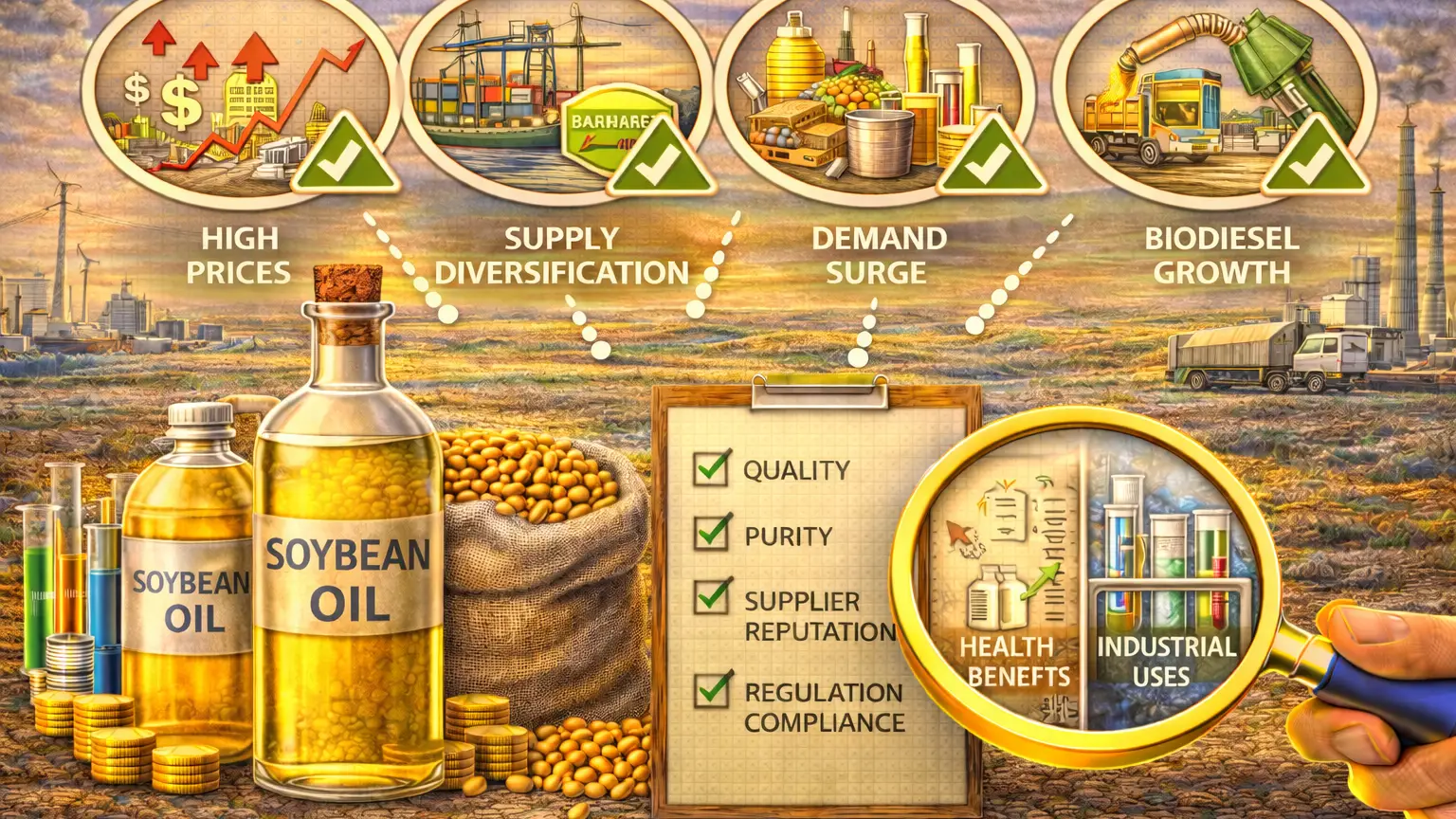
Furthermore, economic factors play a pivotal role. Compared to some specialty oils, soybean oil often presents a favorable price point, especially when purchased in bulk. This cost-effectiveness is vital for large-scale food service operations and price-sensitive industrial applications. The biofuel mandate, particularly the Renewable Fuel Standard (RFS), has also created a massive and growing demand for soybean oil as a feedstock for biodiesel and renewable diesel. This industrial demand provides a stable market floor for producers, which in turn supports the entire soybean complex. Data from the USDA shows that use of soybean oil for biofuel has more than tripled in the past decade, fundamentally altering market dynamics and ensuring its continued prominence.
Finally, innovation in oil processing has addressed historical concerns. Modern refining, bleaching, and deodorizing (RBD) techniques produce a food-grade soybean oil that is neutral in flavor and odor, with improved oxidative stability. This makes it more appealing for food manufacturers who require a consistent, clean-tasting oil that won't interfere with the flavor profile of their products. The combination of sustainability, security, economics, and improved quality has created a perfect storm, propelling soybean oil back to the forefront for savvy buyers across America.
Key Benefits and Features of Modern Soybean Oil
Understanding the intrinsic properties of soybean oil is key to leveraging its potential. As a product, it offers a balanced portfolio of functional and nutritional benefits. From a nutritional standpoint, it is a heart-healthy choice, being naturally cholesterol-free and low in saturated fat. Modern high-oleic soybean oil varieties, developed through conventional breeding, offer an even more impressive profile: they contain over 70% monounsaturated fats (similar to olive oil), providing enhanced stability for frying and a longer shelf life for finished products without the need for partial hydrogenation and associated trans fats.
Functionally, soybean oil is prized for its performance. It has a high smoke point (around 450°F for refined oil), making it excellent for deep-frying, sautéing, and other high-heat culinary applications. Its liquid state at room temperature and ability to carry flavors effectively make it a versatile ingredient in dressings, mayonnaise, and baked goods. For industrial users, the chemical composition of soybean oil—rich in polyunsaturated fatty acids—makes it an ideal renewable raw material. It serves as a foundational feedstock for the production of biodiesel, where it is transesterified into fuel, and for bio-based chemicals, paints, inks, and lubricants, replacing petroleum-derived alternatives.
When procuring soybean oil, buyers should be aware of key specifications. Food-grade soybean oil is typically categorized as RBD (Refined, Bleached, and Deodorized), ensuring purity, clarity, and sensory neutrality. Key specs include Free Fatty Acid (FFA) content (often below 0.05% for premium grade), peroxide value (indicating freshness), and moisture content. For industrial soybean oil, specifications may vary based on the end-use; for biodiesel, the fatty acid profile and acid value are critical. Reputable suppliers and B2B platforms like Chemtradeasia.com provide detailed product specifications, allowing buyers to source the exact grade required for their application, whether it's for a snack food production line or a biofuel refinery.
Primary Applications: From Kitchen to Factory Floor
The true strength of soybean oil lies in its dual citizenship in the worlds of food and industry. In the food sector, it is arguably the workhorse of commercial kitchens and food manufacturing plants across America. Its primary application is in deep-frying for the restaurant and fast-food industry, where its stability, neutral taste, and cost-effectiveness are unmatched. It is the base oil for countless packaged foods, including crackers, chips, and non-dairy creamers. Furthermore, it is a fundamental component in the production of margarine, shortening, and spreads, and acts as a key ingredient in salad dressings, sauces, and mayonnaise for its emulsifying properties and mouthfeel.
Beyond the kitchen, industrial soybean oil applications are vast and growing. The energy sector is the largest industrial consumer, with billions of pounds used annually to produce biodiesel and renewable diesel—cleaner-burning alternatives to petroleum diesel. In the chemical industry, it is a vital renewable carbon source. Through various processes, it is transformed into polyols for flexible foam and mattresses, epoxy plasticizers for PVC, and succinic acid for biodegradable plastics. The printing industry uses soybean oil-based inks, which are lower in VOCs (Volatile Organic Compounds) and easier to de-ink during paper recycling, supporting circular economy goals.
Emerging applications continue to expand its reach. Soybean oil is being researched and used in the production of sustainable aviation fuel (SAF), a critical frontier for decarbonizing air travel. It is also found in eco-friendly paints, coatings, and adhesives, as well as in animal feed as a high-energy component. This wide spectrum of uses, from fueling our vehicles and planes to coating our walls and enriching our food, underscores the foundational role soybean oil plays in the modern American economy, creating diverse and resilient demand streams.
Sourcing High-Quality Soybean Oil: What Buyers Need to Know
For procurement managers and business owners, sourcing soybean oil effectively requires strategic consideration. The first decision point is identifying the required grade: food-grade soybean oil (RBD) for human consumption or industrial-grade for chemical or fuel production. Each has its own quality benchmarks and certifications. Food-grade buyers must ensure suppliers comply with FDA regulations and may require additional certifications like GFSI (Global Food Safety Initiative) standards (e.g., SQF, BRC). Industrial buyers need to align specifications like fatty acid methyl ester (FAME) content for biodiesel production with their processor's requirements.
The scale of purchase is another critical factor. Large food processing conglomerates or biofuel producers often engage in long-term contracts or purchase futures on commodity exchanges to hedge against price volatility. Mid-sized businesses, however, may benefit from the flexibility and access provided by B2B commodity platforms. A platform like Chemtradeasia.com serves as a vital connector in this space, aggregating offers from verified soybean oil suppliers globally. It allows American buyers to efficiently compare bulk soybean oil prices, specifications, and supplier credentials, streamlining the procurement process for both domestic and imported oil, depending on market conditions.
Beyond price and specs, due diligence on the supplier is paramount. Buyers should evaluate a supplier's logistical capabilities, storage facilities, and track record for on-time delivery. Sustainability credentials, such as participation in the U.S. Soy Sustainability Assurance Protocol (SSAP), are increasingly important for brands with environmental commitments. Whether sourcing directly from crushers, through distributors, or via digital marketplaces, establishing a relationship with a reliable supplier who can provide consistent quality, transparent documentation, and supply chain visibility is the cornerstone of a successful soybean oil procurement strategy.
Market Trends and Future Outlook
The future trajectory for soybean oil in America is shaped by powerful, long-term trends. The most dominant is the accelerating demand from the renewable fuel sector. Federal and state-level policies continue to incentivize low-carbon fuels, directly driving consumption. The USDA forecasts that biofuel use will account for over 40% of domestic soybean oil disappearance in the coming years, a seismic shift from its traditional food-centric demand. This creates a dynamic market where food and fuel compete for the same raw material, influencing soybean oil price trends and encouraging innovations in yield and oil content per bushel.
On the consumer side, the demand for "clean label" and minimally processed foods remains strong. This benefits naturally processed vegetable oils like soybean oil, especially non-GMO and identity-preserved (IP) varieties that cater to specific market segments. The development and adoption of high-oleic soybeans represent a major innovation, creating a more stable, healthier oil that can command a premium and compete directly with higher-cost oils in specialty applications. Furthermore, the focus on circular bioeconomies will spur investment in technologies that convert soybean oil into a wider array of bio-based products, from plastics to textiles.
However, the market is not without challenges. Price volatility linked to weather, global soybean production, and energy markets requires astute risk management from buyers. Sustainability scrutiny will intensify, pushing for continued improvements in land use and farming practices. Nevertheless, the fundamental drivers—domestic availability, functional versatility, and policy support for renewable alternatives—position soybean oil for sustained growth. Buyers who stay informed on these trends, diversify their supplier base, and potentially leverage digital sourcing tools will be best equipped to navigate this evolving and opportunity-rich market.
Conclusion
The renaissance of soybean oil in the American market is a testament to its adaptability and foundational value. It has successfully transitioned from a simple commodity to a strategic resource at the intersection of food security, industrial innovation, and environmental sustainability. For food manufacturers, it delivers reliable performance and cost-efficiency; for industrial enterprises, it provides a renewable pathway to decarbonize operations and products. The market's complexity, driven by biofuel demand and quality innovations, makes informed sourcing more critical than ever.
Navigating this landscape requires a clear understanding of product specifications, a strategic view of market trends, and partnerships with credible suppliers. Platforms that facilitate global trade, such as Chemtradeasia.com, offer valuable tools for buyers to access a broad network of soybean oil suppliers, compare bulk soybean oil options, and make data-driven purchasing decisions. As America continues to seek sustainable and domestically sourced solutions across its economy, soybean oil is poised to remain not just in focus, but as a central pillar supporting a wide array of industries for years to come.